Australia Tourism Growth 2026: High-Yield Spend Offsets Regional Asian Decline


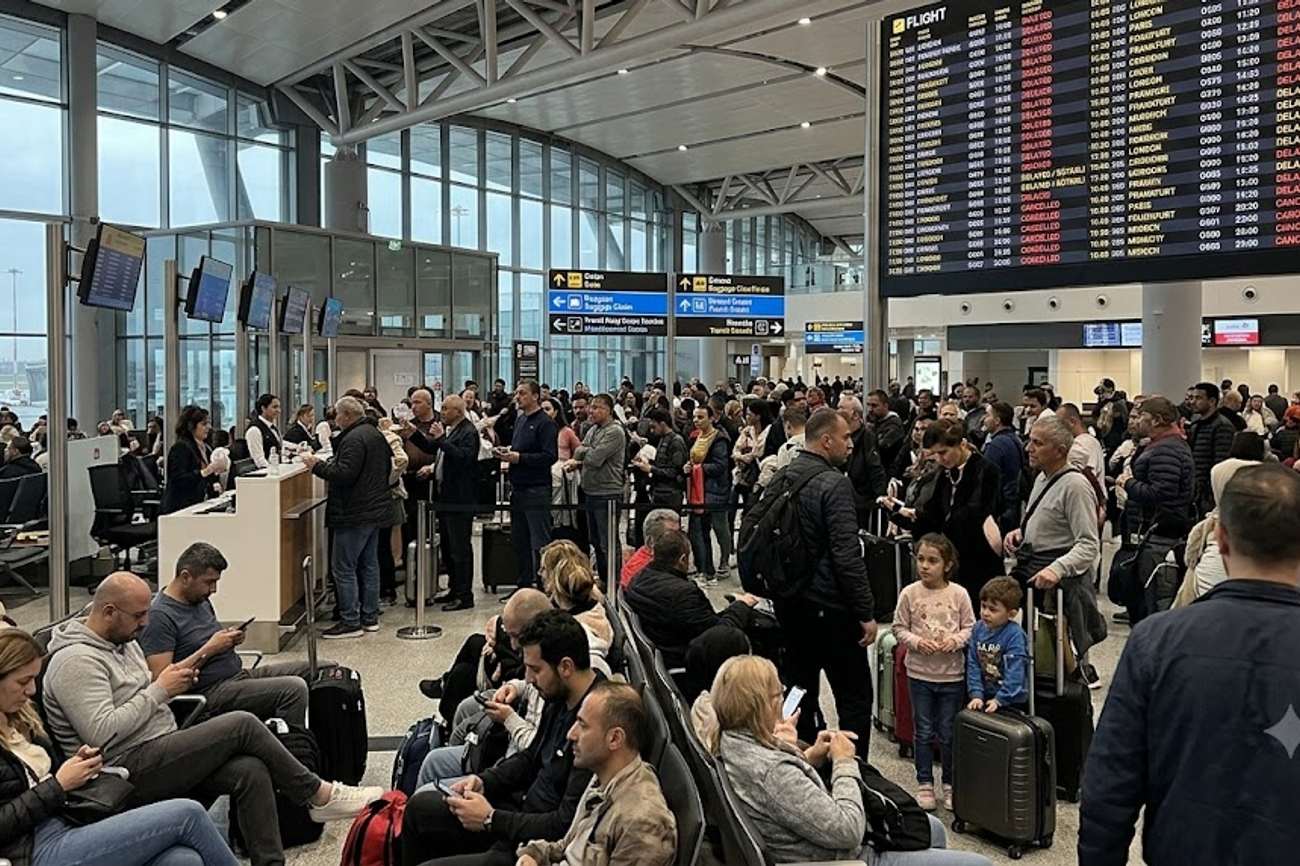
Image generated by AI
Australia's international visitor economy is currently operating on a fragmented trajectory. Despite a strong start to 2026, recent data indicates a significant decline in demand from downstream Asian and regional markets. This contraction is being mitigated by resilient arrivals from China, Japan, and Malaysia, alongside a strategic shift toward high-yield tourism.
The sector is currently navigating a "multi-speed" recovery. While airline capacity has stabilized and borders are fully normalized, growth is not uniform. High-spending markets are driving economic yields, even as broader regional sectors shrink. This volatility is impacting the nation's $81.1 billion tourism GDP.
A Year of Statistical Contrasts The first quarter of 2026 showed aggressive growth. February 2026 saw short-term visitor arrivals hit 943,220, a 19.7% increase year-on-year. This surge was fueled by a return of corporate travelers, international students, and leisure tourists.
However, this momentum stalled in the second quarter. ABS data for May and June 2026 revealed a stark reversal, signaling a regional slowdown. This shift suggests that geopolitical pressures and currency valuations are rapidly redirecting global tourism flows.
Prioritizing Yield Over Volume The Australian government has pivoted its strategy from counting passenger volume to maximizing financial yield. Data for the year ending March 2026 confirms this trend: international visitors injected $40.9 billion into the economy.
Spending increased by 20% year-on-year, doubling the 10% growth rate of physical trips. This indicates a transition toward a high-yield demographic focusing on premium accommodations and bespoke regional experiences.
Key Facts Breakdown
- Total Tourism GDP: $81.1 billion.
- Year-End March 2026 Expenditure: $40.9 billion (20% year-on-year increase).
- February 2026 Arrivals: 943,220 short-term visitors (19.7% increase).
- March 2026 Short-term Arrivals: 818,990 (7.6% increase).
- March 2026 Total Arrivals (All Visas): 1,826,980 (8.2% annual growth).
- Annual Trip Volume (Year ending March 2026): 9.2 million international trips.
- Growth Divergence: Expenditure growth (20%) is currently outstripping volume growth (10%).
Why This Matters
From a logistical and economic perspective, Australia is no longer chasing "mass tourism." The data proves that the visitor economy can grow financially even while physical arrival numbers in certain regions decline.
For domestic operators, this means a shift in service offering. The "volume play" is failing in regional Asia, but the "value play" is succeeding. The reliance on China, Japan, and Malaysia to fill the gap creates a concentration risk; if any of these three primary markets fluctuate, the current expenditure growth could collapse. The real impact for the industry is a mandatory pivot toward luxury and high-end regional touring to sustain the $40.9 billion spend baseline.
Industry Outlook
The focus now shifts to the "Tourism 2035" strategy. Expect the Australian government to deploy targeted marketing funds specifically to stabilize the declining regional Asian sectors. However, the primary objective will remain the protection of the high-yield segment. If the trend of spending outpacing volume continues, Australia will likely reduce its reliance on low-cost visitor volumes in favor of long-stay, high-spend itineraries.
Internal Link Suggestions:
- Analysis of Asia-Pacific Aviation Capacity Trends 2026
- Guide to High-Yield Tourism Infrastructure Investment
- Impact of Currency Fluctuations on APAC Travel Demand
Related Travel Guides
- South Korea Eclipses Pre-Pandemic Tourism Records as Travelers Pivot from Overcrowded Asian Hubs
- Vietnam Outpaces Regional Rivals in Tourism Growth Rate Despite Thailand's Volume Lead
- Global Destinations Compete for Saudi Arabia's Projected US$60 Billion Outbound Travel Market Driven by Young High-Spending Travelers
This article is for informational purposes. Flight routes, passenger regulations, visa rules, and transit advisories are subject to change by airlines and aviation authorities. Readers are advised to verify schedules and travel documentation with relevant carriers and border agencies before departure.
Related Stories
Hundreds Of Travelers Impacted Throughout Europe As Istanbul And 13 Others Face 2,575 Delays And 116 Cancellations

Quebec Cultural Tourism Gains Momentum as Canada Backs Orford Music with $334,750