
Canada Invests $35,000 in Algoma Fall Festival to Expand Indigenous Arts and Cultural Tourism
Canada Invests $35,000 in Algoma Fall Festival to Expand Indigenous Arts and Cultural Tourism

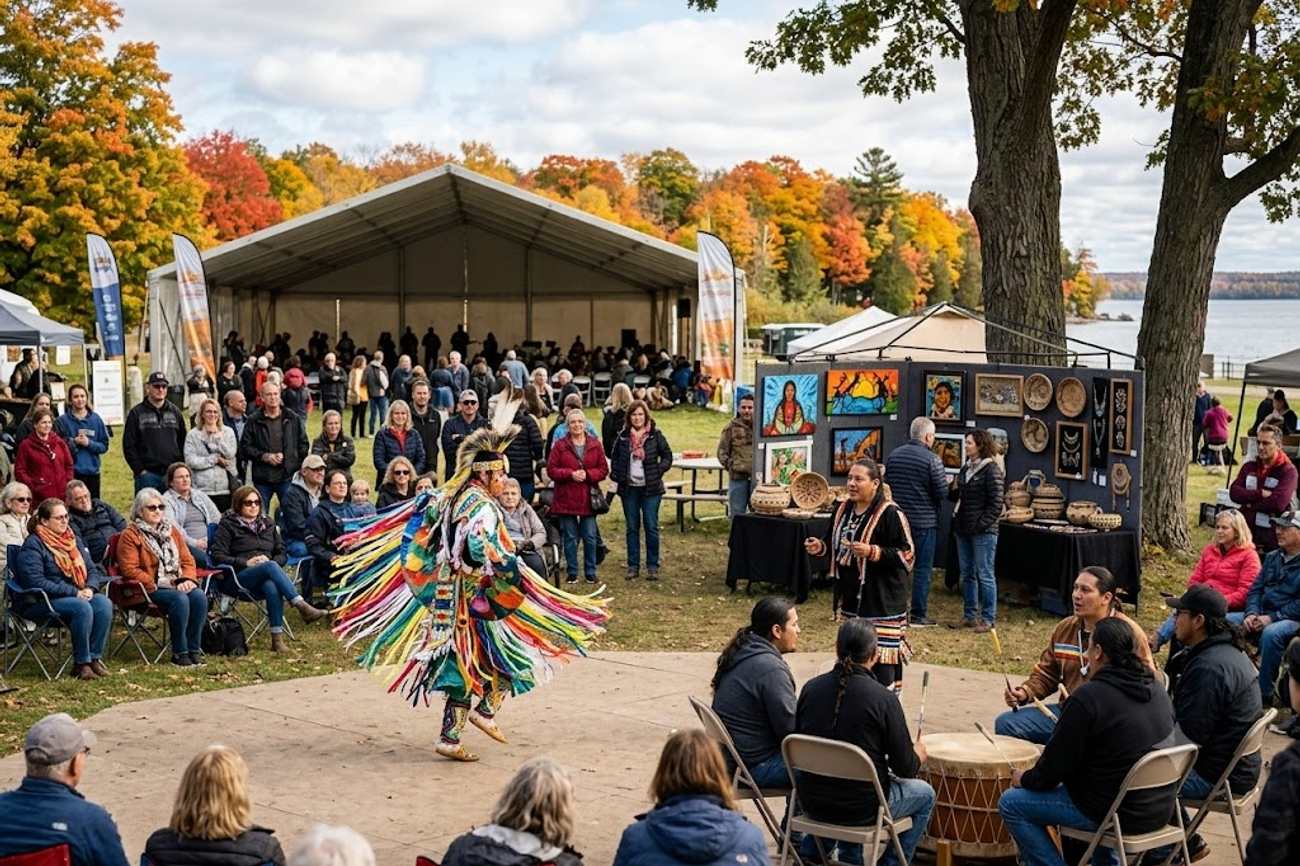
Image generated by AI
$35,000 in federal funding allocated to the 2026 Algoma Fall Festival marks a strategic shift toward integrating Indigenous and Métis cultural assets into Northern Ontario’s autumn tourism economy. This investment, channeled through the Federal Economic Development Agency for Northern Ontario (FedNor), is designed to transform the 53rd edition of the event from a regional arts gathering into a targeted vehicle for destination marketing and cultural preservation in Sault Ste. Marie.
The FedNor Strategy for Regional Diversification
The financial injection announced on 9 October 2026 by Terry Sheehan, Member of Parliament for Sault Ste. Marie—Algoma, operates under the Northern Ontario Development Program (NODP). While the sum is modest in the context of national infrastructure, its application is precise: it targets the "shoulder season" of autumn, where tourism typically dips after the summer peak but before winter sports begin.
By funding the Algoma Arts Festival Association, the Canadian government is attempting to hedge against the volatility of outdoor-only tourism. Sault Ste. Marie has long relied on its natural landscapes, but the shift toward "cultural tourism"—specifically the inclusion of Indigenous and Métis perspectives—creates a year-round value proposition. This move aligns with broader mandates from Destination Canada, which emphasize the importance of authentic, community-led cultural experiences in attracting high-spending international and domestic travelers.
2026 Festival Logistics and Programming
The 2026 iteration of the festival will balance its traditional arts calendar with a newly expanded Indigenous framework. The funding is specifically earmarked for the "Maada’ookiidaa – Let’s Share Our Gifts" program, which is managed by a dedicated Indigenous Advisory Group to ensure cultural authenticity and prevent the commodification of heritage.
| Component | Detail | Scope/Scale |
|---|---|---|
| Total Federal Investment | $35,000 | Delivered via FedNor (NODP) |
| Event Edition | 53rd Annual Festival | October 2026 |
| Core Programming | 6 Ticketed/Non-ticketed Events | Includes concerts and speakers |
| Indigenous Initiative | Maada’ookiidaa | Led by Indigenous Advisory Group |
| Educational Arm | Festival of Learning | Arts education and community outreach |
| Primary Location | Sault Ste. Marie, Ontario | Gateway to the Algoma region |
Expert Analysis: The Economics of Cultural Authenticity
For the modern traveler, the value of a destination is increasingly tied to "identity-driven tourism." The integration of Indigenous and Métis artists into the Algoma Fall Festival is not merely a social gesture; it is a calculated economic move. When a festival moves from generic "arts and crafts" to specific, heritage-backed storytelling, it increases the "dwell time" of the visitor.
For travelers booking this route, the direct consequence is a shift in the local hospitality ecosystem. A visitor attending a Maada’ookiidaa performance is more likely to engage with local museums and historic sites, extending a day trip into a multi-night stay. This creates a multiplier effect: increased demand for hotel rooms, higher restaurant turnovers, and a surge in local transport usage.
However, the pricing pressure this creates is subtle. As Sault Ste. Marie positions itself as a cultural hub rather than just a scenic stop, we can expect a transition toward "experience-based pricing." The mix of free and paid events mentioned in the federal announcement is a strategic hedge to maintain local accessibility while capturing revenue from affluent cultural tourists. The success of this investment will be measured not by the $35,000 spent, but by the increase in overnight stays and the diversification of the local tax base through tourism spending.
Key Takeaways
- Targeted Funding: A $35,000 grant from FedNor is being used to scale the 53rd Algoma Fall Festival, focusing on Indigenous and Métis arts.
- Strategic Timing: The investment targets the October window to bolster the autumn visitor economy in Sault Ste. Marie.
- Authenticity Guardrails: The "Maada’ookiidaa" program is overseen by an Indigenous Advisory Group to ensure cultural integrity.
- Economic Diversification: The goal is to move Northern Ontario beyond nature-based tourism into high-value cultural tourism.
- Hybrid Access: The 2026 program will feature approximately six main events, utilizing a blend of ticketed and free activities to maximize reach.
FAQ: Algoma Fall Festival 2026
When is the Algoma Fall Festival 2026 taking place? The festival is held annually in October. The 2026 edition will be the 53rd year of the event, focusing on autumn arts and cultural heritage in Sault Ste. Marie.
What is the Maada’ookiidaa program? It is a specialized Indigenous cultural initiative ("Let’s Share Our Gifts") featuring Indigenous and Métis artists. It focuses on storytelling, contemporary creative work, and cultural exchange.
Are there costs associated with attending the festival? The 2026 program includes a mix of ticketed and non-ticketed events, including concerts and visual arts exhibitions, making it accessible for various budgets.
How does this affect travelers visiting Sault Ste. Marie? Visitors can expect expanded programming, including more Indigenous-led performances and exhibitions, alongside traditional autumn sightseeing and outdoor recreation in the Algoma region.
A calculated bet on heritage as an economic engine for the North.
Tags: Algoma Fall Festival 2026, Sault Ste. Marie Tourism, FedNor, Northern Ontario Development Program, Indigenous Cultural Tourism Canada
Related Travel Guides
Disclaimer
This article is for informational and educational purposes only. It does not constitute legal, financial, or professional advice. While we strive to provide accurate and up-to-date information, travel policies, regulations, and conditions change rapidly. Always verify information with official sources before making travel decisions. Nomad Lawyer makes no representations about the accuracy, reliability, completeness, or suitability of the information provided. Readers should consult qualified professionals for advice specific to their circumstances. The views expressed in this article are those of the author and do not necessarily reflect the views of Nomad Lawyer.
Naina Thakur
Contributor & Travel Specialist
Travel enthusiast and legal writer covering visa regulations, responsible tourism, and cultural journeys across global destinations.
Learn more about our team →