
Hundreds Of Travelers Impacted Throughout Europe As Istanbul And 13 Others Face 2,575 Delays And 116 Cancellations
Hundreds Of Travelers Impacted Throughout Europe As Istanbul And 13 Others Face 2,575 Delays And 116 Cancellations

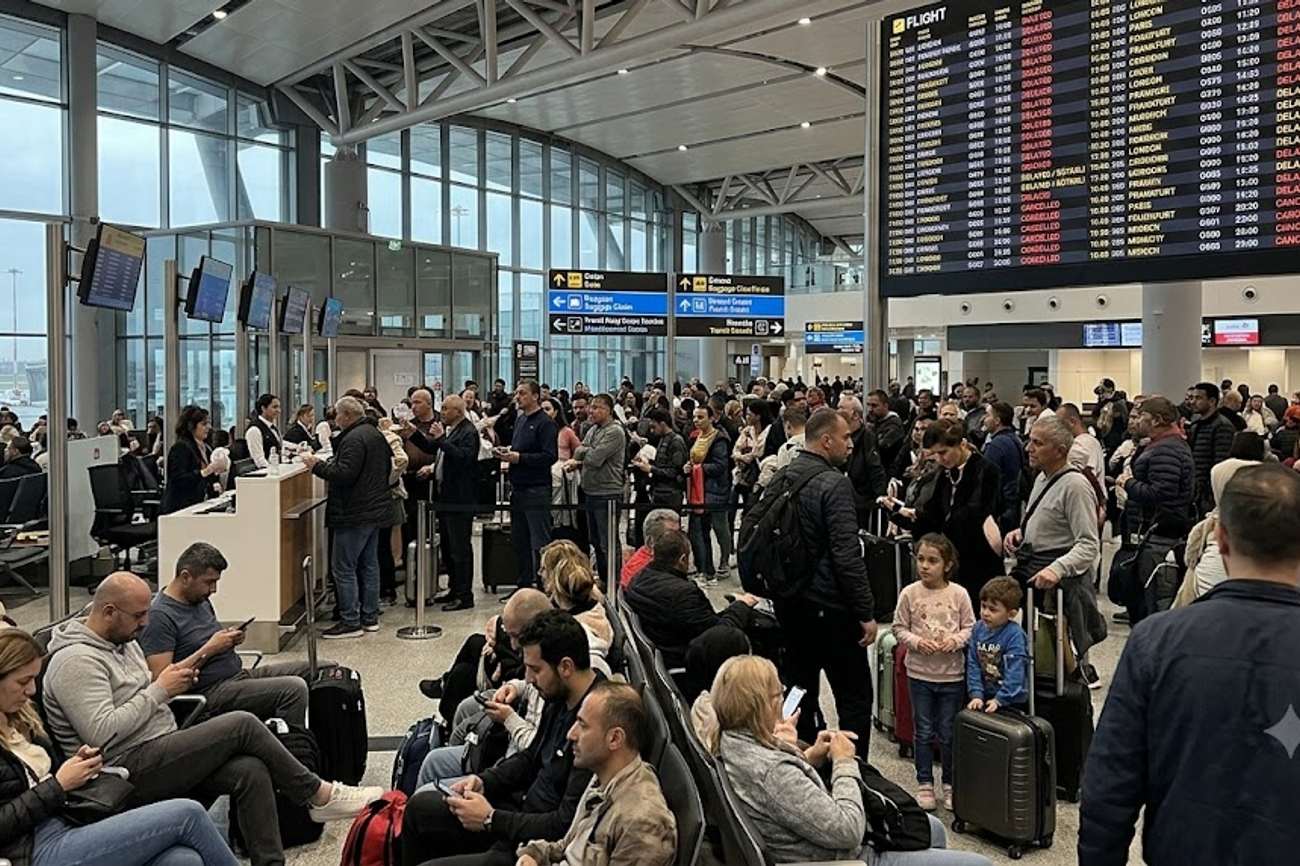
Image generated by AI
London Heathrow is the primary friction point for transatlantic travel, recording 70 delays for flights connected to the United States—more than double the disruptions seen at Paris Charles de Gaulle. While many travelers view airport delays as a random annoyance, these numbers reveal a specific systemic strain on the hubs connecting Europe to North America.
The Current State of European Air Hubs
The European aviation network is currently grappling with a volatile operational phase. Recent data shows a staggering 2,575 delays and 116 cancellations across the continent, hitting major gateways in Germany, France, the UK, Türkiye, Russia, Spain, Switzerland, Italy, and the Netherlands. This isn't just a matter of bad weather; it is a collision of air traffic control restrictions, crew availability, and the sheer congestion of hubs that are operating at maximum capacity.
Istanbul Airport has emerged as the most delayed gateway with 267 incidents, though Amsterdam Schiphol is the most volatile in terms of total flight removals, recording 22 cancellations. For the modern nomad, these figures suggest that "hub-and-spoke" travel—relying on a single massive airport for a connection—is currently the highest-risk strategy for itinerary stability.
What Makes These Hubs Different
Each European gateway possesses a unique "failure mode" based on its geography and carrier dominance. Istanbul Airport, for instance, manages a massive volume of east-west traffic, resulting in a 21% departure delay rate. In contrast, Zurich Airport struggles more with arrivals, where the delay percentage hits 24%.
The distinction between budget carriers and legacy airlines is also stark. easyJet has become a primary source of scheduling instability, recording 462 delays—the highest of any carrier—with a delay percentage of 27%. Meanwhile, KLM, despite having fewer total delays than easyJet, is the most likely to cancel a flight entirely, with 21 cancellations on the books.
European Hub Performance Metrics
| Airport | Total Delays | Total Cancellations | US-Related Delays | Departure Delay % | Arrival Delay % |
|---|---|---|---|---|---|
| Istanbul Airport | 267 | 19 | 2 | 21% | 11% |
| Frankfurt Airport | 261 | 6 | 22 | 17% | 21% |
| Amsterdam Schiphol | 215 | 22 | 12 | 15% | 14% |
| Rome Fiumicino | 217 | 10 | 8 | 22% | 19% |
| London Heathrow | 181 | 4 | 70 | N/A | 13% |
| Zurich Airport | 193 | 10 | 11 | 23% | 24% |
| Paris CDG | 170 | 3 | 26 | N/A | 10% |
| Istanbul Sabiha Gokcen | 213 | 4 | N/A | 24% | 22% |
Visitor Insider Tips
Having spent years moving between these hubs, I've learned that the "official" departure time is often a suggestion rather than a rule. To survive the current volatility, adopt these local strategies:
The Buffer Rule: If you are connecting through Amsterdam Schiphol or Istanbul, do not book a connection with less than three hours of layover. Given Schiphol's high cancellation rate (22), a tight connection is a gamble you will likely lose.
Carrier Selection: If your priority is "getting there" over "saving money," avoid the high-delay percentages of Pegasus (25%) and easyJet (27%). While budget options are tempting, the operational instability of these carriers can cost you a full day of your trip.
Digital Vigilance: Do not rely on airport monitors, which can lag. Use the official apps of Air France or Lufthansa for real-time gate changes. In Europe, a "delayed" status often shifts three or four times before the actual boarding call.
The Paper Trail: European consumer protection laws are strong, but they require evidence. Keep every single physical receipt for food, water, and hotels incurred during a delay. Digital copies are good, but physical boarding passes are still the gold standard for insurance claims.
Cultural and Environmental Context
The tension in European skies is a reflection of a broader struggle between tourism growth and infrastructure limits. Many of these airports, particularly London Heathrow and Amsterdam Schiphol, are operating in regions where environmental regulations and noise ordinances strictly limit expansion.
In the Netherlands, the push to reduce flight movements at Schiphol to meet climate goals often clashes with the airport's role as a global transit hub. When capacity is artificially capped but demand remains high, any small disruption—a sudden storm or a technical glitch—creates a domino effect that ripples across the continent. This is why we see "rotations" failing; one delayed aircraft in Frankfurt prevents a crew from reaching Rome, which then cancels a flight to Madrid.
For the traveler, this means recognizing that the "efficiency" of European travel is currently at odds with the region's environmental commitments. The result is a system with zero margin for error.
FAQ: Visiting Europe 2025
What is the best way to avoid flight delays? Avoid the most congested hubs like Istanbul and Frankfurt during peak windows. If possible, use rail networks for intra-European travel, which often bypasses the systemic congestion currently affecting major airports.
Do I need a visa for transit through these hubs? This depends on your nationality and the specific country (e.g., Türkiye vs. Germany). Check the official European Union guidelines or the embassy of your transit country to see if a transit visa is required.
How should I handle a cancelled flight in Europe? Immediately contact the airline via their app or desk to rebook. Under EU law, you may be entitled to compensation or care (meals/hotels) depending on the reason for the cancellation. Keep all expense receipts.
Is it safe for solo travelers to navigate these airports during disruptions? Yes, these airports are very safe. However, during mass cancellations, service desks become overwhelmed. Solo travelers should use mobile apps to rebook rather than waiting in long, stressful queues.
The secret to European travel isn't finding the fastest flight—it's finding the one least likely to disappear from the board.
#IstanbulAirport #HeathrowTravel #EuropeanAviation2025 #SchipholDelays #EuroTripPlanning
Related Travel Guides
Disclaimer
This article is for informational and educational purposes only. It does not constitute legal, financial, or professional advice. While we strive to provide accurate and up-to-date information, travel policies, regulations, and conditions change rapidly. Always verify information with official sources before making travel decisions. Nomad Lawyer makes no representations about the accuracy, reliability, completeness, or suitability of the information provided. Readers should consult qualified professionals for advice specific to their circumstances. The views expressed in this article are those of the author and do not necessarily reflect the views of Nomad Lawyer.
Naina Thakur
Contributor & Travel Specialist
Travel enthusiast and legal writer covering visa regulations, responsible tourism, and cultural journeys across global destinations.
Learn more about our team →