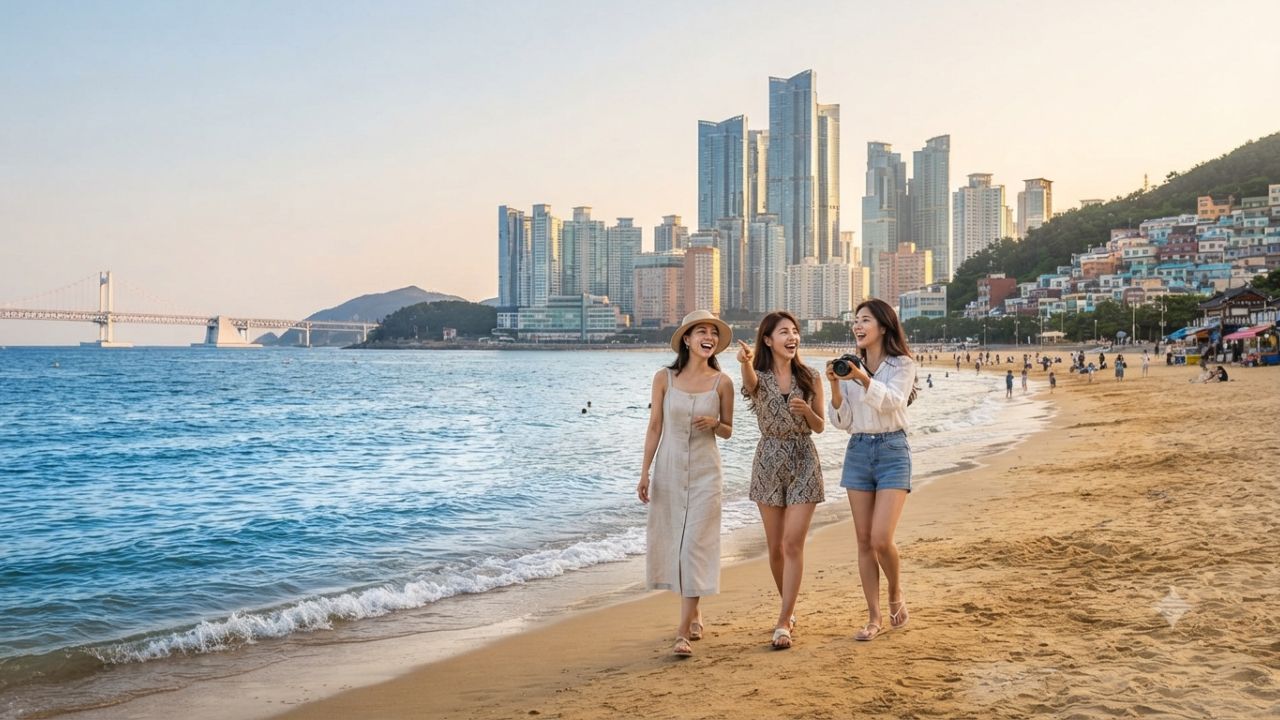
Asia’s Winter Tourism Boom: How Hokkaido, Seoul, Xinjiang, and Central Asia Are Redefining Cold-Weather Travel

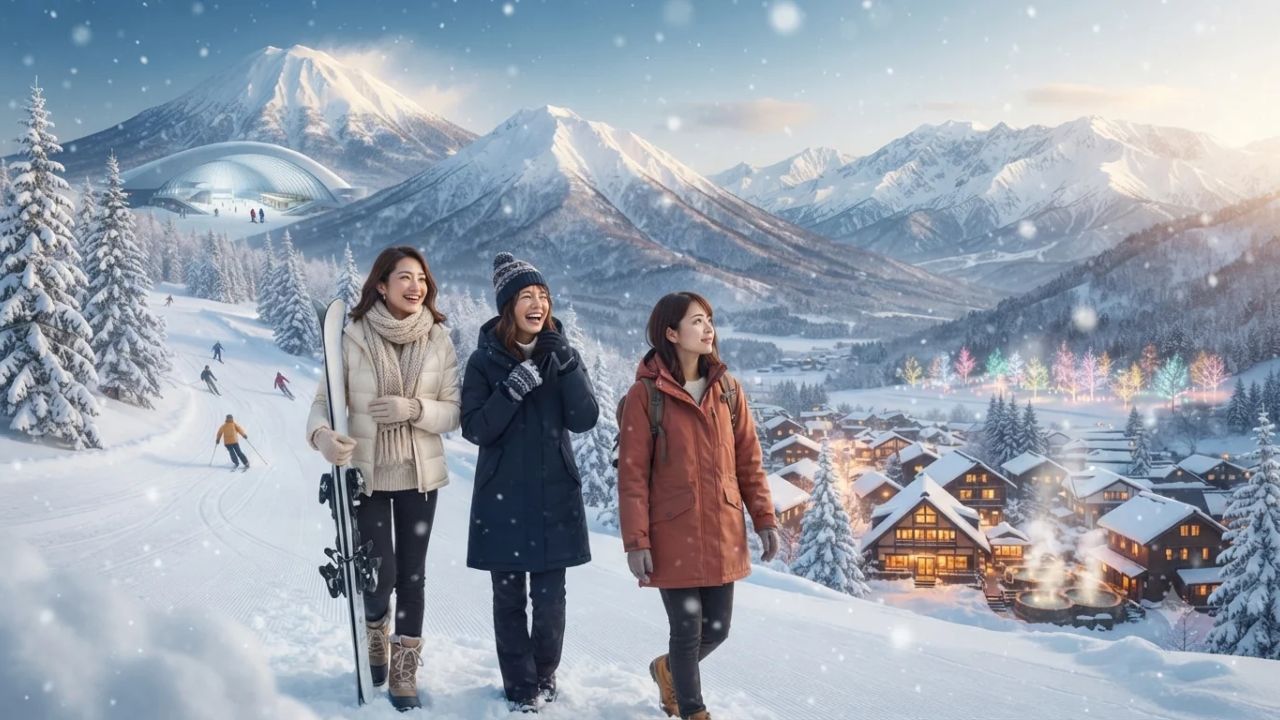
Across the Asian continent, an unprecedented seasonal transformation is redefining global leisure travel, turning sub-zero temperatures, towering mountain ranges, and dormant winter months into a multi-billion-dollar tourism engine. For decades, Asia’s international travel calendar followed an established rhythm: millions arrived during spring to witness cherry blossoms, summer filled tropical island beaches, and autumn brought hikers to ancient temple trails, while winter saw vast swaths of the continent enter economic hibernation. Today, that script has been completely rewritten. From the dry powder fields of Hokkaido and the Olympic ski corridors of Gangwon-do to the high-tech indoor snow domes of mainland China, the rugged frontier peaks of Central Asia’s Tien Shan, and the Himalayan heights of northern India, Asian destinations are actively dismantling traditional Western dominance in winter sports. Driven by multi-billion-dollar Olympic infrastructure legacies, creative cultural pairings of thermal hot springs with winter gastronomy, aggressive visa liberalizations, and climate-defying snowmaking technology, Asia is transforming cold weather from an obstacle to endure into one of the most lucrative and dynamic frontiers in modern global travel.
The driving force behind this continent-wide boom extends far beyond conventional downhill skiing. Recognizing that hundreds of millions of prospective domestic and regional travelers are novice skiers or tropical residents seeing snow for the very first time, Asian tourism authorities have designed an experiential framework that emphasizes sensory variety over extreme athletics. In Japan, world-class backcountry powder is paired with outdoor geothermal onsen baths, winter illumination festivals, and seasonal seafood hot pots. In South Korea, resorts leverage the global appeal of the Korean Wave (Hallyu), turning K-drama winter filming locations, ice-fishing carnivals, and heated bathhouses into major family attractions. Meanwhile, China has deployed a state-directed industrial blueprint targeting a 1.5-trillion-yuan ($207 billion) ice-and-snow economy by 2030, reviving former mining valleys like Koktokay in Xinjiang into European-style ski sanctuaries while constructing over 650 indoor ice complexes. Understanding the diverse corridors, logistical routes, and regional specialties across Asia empowers holidaymakers to craft extraordinary cold-weather journeys across the world's most rapidly expanding winter travel market.
========================================================================================
ASIA WINTER TOURISM TRANSFORMATION MATRIX: REGIONAL PLAYBOOK 2026–2030
========================================================================================
Region / Market      Signature Geographic Anchors  Primary Tourism Formula      Target Economy
----------------------------------------------------------------------------------------
China                Koktokay (Xinjiang), Harbin,  Olympic venues, indoor domes,1.5 Trillion Yuan
                     Chongli (Hebei), Jilin        robot ice carving, subsidies ($207 Billion)
Japan                Hokkaido (Niseko), Nagano,    "Japow" deep powder, outdoor Multi-Billion USD
                     Niigata, Zao Onsen (Tohoku)   onsen, luxury dining, weak JPYInbound Market
South Korea          Gangwon-do (PyeongChang),     Hallyu pop-culture, family   High-Volume
                     Mona Yongpyong, High1 Resort  sledding, ice-trout festivalsRegional Hub
Central Asia         Shymbulak & Almaty (KAZ),     High-altitude Tien Shan runs,Rapidly Emerging
(Tien Shan Belt)     Ala-Too (KGZ), Amirsoy (UZB)  European lifts, visa-free paxBudget Alpine Hub
Indian Himalayas     Gulmarg (Kashmir), Auli (UT), High-altitude gondola lines, Premier Backcountry
                     Leh & Ladakh Ice Rinks        freeriding, Khelo Games      Adventure Base
Southeast Asia       Thailand (Phuket), Vietnam    "Winter Sun" counter-program,Seasonal Inversion
(Tropical Counter)   (Phu Quoc & Sapa), Sri Lanka  beach retreats & highland airRefuge Market
========================================================================================
Source: Asian Winter Sports Development Audits & National Tourism Board Data, Nov 2026.
========================================================================================
The Strategic Playbook: How Asia Engineered a Cold-Weather Gold Rush
Asia’s emergence as a winter tourism juggernaut was neither accidental nor entirely organic. Instead, national governments, municipal planners, and private developers deployed four coordinated strategic levers to unlock the economic potential of freezing weather.
========================================================================================
THE FOUR STRATEGIC LEVERS DRIVING ASIA'S WINTER TOURISM EXPANSION
========================================================================================
Strategic Pillar        Operational Mechanism & Execution    Realized Industry Impact
----------------------------------------------------------------------------------------
1. Mega-Event Catalyst  Hosting Olympic & Asian Games        Justifies tens of billions in
                        (PyeongChang 2018, Beijing 2022,     high-speed rail, expressways,
                        Harbin 2025, Kazakhstan 2029)        and state-of-the-art ski hubs.
2. Cultural Pairing     Bundling snow sports with hot        Attracts non-skiers, multi-gen
                        springs, winter seafood, light art,  families, and first-time winter
                        and pop-culture filming sites        vacationers from warm climates.
3. Policy & Incentives  Direct rail/flight subsidies, tax-   Lowers financial barriers for
                        free retail, and streamlined         domestic explorers and long-
                        visa-free entry frameworks           haul international visitors.
4. Climate-Defying Tech Climate-controlled indoor domes,     Decouples winter recreation from
                        automated snowmaking, and heated     natural weather volatility and
                        high-speed enclosed gondolas         guarantees consistent snowpacks.
========================================================================================
1. The Mega-Event Multiplier
International sporting competitions have provided the financial justification for monumental infrastructure spending. The 2018 PyeongChang Winter Games delivered South Korea’s high-speed KTX rail link, reducing travel time from Seoul to the Gangwon ski mountains to under 90 minutes. The 2022 Beijing Winter Games served as the catalyst for China’s Jingzhang high-speed railway, connecting downtown Beijing to the Chongli alpine cluster in 50 minutes while introducing more than 300 million Chinese citizens to winter sports. With Harbin hosting the 2025 Asian Winter Games and Kazakhstan staging the 2029 Asian Winter Games, the region continues to leverage global athletic events to build long-term tourism infrastructure.
2. Cultural Immersion Over Extreme Athletics
Unlike traditional European and North American ski cultures—which often center heavily on technical downhill racing and rigorous mountain sports—Asian destinations have built their winter identity around holistic lifestyle experiences. Because a vast percentage of travelers from Southeast Asia, southern China, and India are experiencing snow for the first time, resorts offer expansive snow-play parks, ice-tubing runs, illuminated winter light gardens, and traditional geothermal thermal baths. Skiing is presented not as an endurance test, but as part of a luxurious winter retreat that concludes with steaming hot pots, local sake, and soothing mineral waters.
3. Financial Subsidies and Policy Liberalization
Governments across the region have actively dismantled bureaucratic hurdles. Kazakhstan, Uzbekistan, and Kyrgyzstan offer visa-free entry to citizens of dozens of nations, positioning the Tien Shan mountains as an accessible alternative to European resorts. In western China, regional authorities provide direct per-passenger cash subsidies to airlines and railway operators for ski-charter flights and dedicated tourist trains, driving down the cost of long-distance winter expeditions.
4. Climate-Defying Technology and Indoor Innovation
Facing the realities of global climate variability, Asian developers have invested heavily in artificial snowmaking systems, automated grooming fleets, and indoor climate-controlled facilities. China has become the undisputed global capital of indoor skiing, operating massive year-round snow domes where thousands can ski on genuine powder in the heat of mid-summer. In outdoor alpine environments, computerized snowmaking networks ensure early-season trail openings regardless of natural precipitation trends.
China: Building a 1.5-Trillion-Yuan Ice and Snow Empire
Nowhere is the commercial transformation of winter more ambitious than in the People's Republic of China. Having expanded its domestic ice-and-snow economy from 270 billion yuan in 2015 to nearly 1 trillion yuan, the national government is executing a comprehensive industrial master plan to reach 1.5 trillion yuan ($207 billion) by 2030.
========================================================================================
CHINA'S WINTER ECONOMY EXPANSION: 2015 TO 2030 TARGETS
========================================================================================
Year Milestone       Market Valuation (CNY) Annual Participants   Key Infrastructure
----------------------------------------------------------------------------------------
2015 (Pre-Olympic)   270 Billion Yuan       ~120 Million Citizens Early outdoor slopes
2020 (Growth Phase)  600 Billion Yuan       ~220 Million Citizens Initial indoor snow domes
2024 (Post-Beijing)  ~890 Billion Yuan      340+ Million Citizens High-speed rail clusters
2026 (Current Cycle) >1.0 Trillion Yuan     380+ Million Citizens 650+ indoor ice rinks
2030 (National Goal) 1.5 Trillion Yuan      500+ Million Citizens Fully integrated national
                     ($207 Billion USD)                           manufacturing/tourism engine
========================================================================================
Sources: China Tourism Academy & General Administration of Sport Official Audits, 2026.
========================================================================================
The Rebirth of Koktokay in Xinjiang's Altay Mountains
The human and economic power of this strategy is demonstrated by the revival of Koktokay (meaning "green forest" in Kazakh), situated within the mineral-rich Altay Mountains of Fuyun County in the Xinjiang Uygur Autonomous Region:
- Historical Context: In the 1930s, Koktokay boomed as an industrial mining center supplying rare minerals, housing over 50,000 workers. When mines closed in the late 1980s, the population dropped to roughly 10,000, leaving the valley facing severe economic stagnation.
- The Modern Ski Transformation: Today, the Koktokay International Ski Resort has transformed the local economy. Positioned within a microclimate that delivers abundant dry powder from October through May—offering a longer season than almost any resort in Europe—Koktokay features massive vertical drops and open alpine bowls that attract skiers from Beijing, Shanghai, and international hubs across East Asia.
- Community Impact: Former miners and local Kazakh herders who previously faced winter unemployment now operate boutique guesthouses, work as certified ski instructors, and run transport services, reversing rural youth migration.
========================================================================================
KOKTOKAY INTERNATIONAL SKI RESORT: PROFILE & ATTRIBUTES
========================================================================================
Geographic Metric               Resort Specification & Details
----------------------------------------------------------------------------------------
Location                        Altay Mountains, Fuyun County, Xinjiang, China
Operating Ski Season Length     Late October to Mid-May (Over 200 operational days)
Snow Quality Classification     Ultra-dry continental powder (comparable to Rocky Mountains)
Highest Ski Lift Elevation      3,100 meters above sea level
Vertical Drop                   Over 1,200 meters of continuous skiable terrain
Signature Piste                 "Doraemon" Piste & Wild Rabbit Valley backcountry bowl
Key Market Influx               Beijing, Shenzhen, Shanghai, and South Korean powder hounds
========================================================================================
Harbin and Heilongjiang: The Crown of Ice and Snow
In northeastern China, Heilongjiang Province has turned extreme Arctic cold into its primary cultural export:
- Harbin Ice and Snow World: Covering over 800,000 square meters, this annual winter spectacle features towering, life-sized castles, pagodas, and bridges constructed entirely from ice blocks harvested from the frozen Songhua River.
- Technological Advancement: In 2026, the festival integrated multi-robot laser-guided ice sculpting technology, carving intricate crystalline architectural facades with unprecedented speed and precision.
- Thermal Synergies: The regional tourism board markets the "Crown of Ice and Snow," combining visits to Harbin's illuminated ice palaces with excursions to volcanic hot spring resorts and Siberian tiger preservation parks.
Japan: Turning Legendary "Japow" into an Integrated Travel Economy
In Japan, winter tourism has evolved into an international phenomenon driven by what skiers and snowboarders worldwide revere as "Japow"—exceptionally dry, feather-light powder snow created when freezing Siberian winds absorb moisture over the warm Sea of Japan before dropping heavy snow over the mountains of Hokkaido and Honshu.
========================================================================================
JAPAN WINTER REGIONS: POWDER, ONSEN, AND CULTURAL DUALITY
========================================================================================
Region / Prefecture   Flagship Resorts          Unique Atmospheric & Cultural Appeal
----------------------------------------------------------------------------------------
Hokkaido              Niseko United, Rusutsu,   World-class dry powder, night skiing,
                      Kiroro, Furano            Hokkaido king crab feasts, volcanic hot springs
Nagano (Japan Alps)   Hakuba Valley, Nozawa     1998 Olympic runs, historic hot spring village,
                      Onsen, Shiga Kogen        wild snow monkeys bathing in thermal pools
Niigata (Snow Country)Yuzawa (Gala Yuzawa),     Direct Shinkansen train access from Tokyo;
                      Myoko Kogen               famous sake breweries and deep valley snowpacks
Tohoku                Zao Onsen (Yamagata),     Surreal "Snow Monster" (Juhyo) frozen trees,
                      Appi Kogen (Iwate)        traditional timber onsen inns, uncrowded pistes
========================================================================================
Beyond Niseko: The JNTO Regional Dispersal Strategy
While Hokkaido’s Niseko United and Nagano’s Hakuba Valley remain globally famous, the Japan National Tourism Organization (JNTO) has implemented targeted campaigns to distribute winter visitors into lesser-known prefectures:
- Zao Onsen (Yamagata Prefecture): Renowned for its Juhyo ("Snow Monsters"), where sub-zero Siberian winds encase towering alpine fir trees in layers of heavy snow and rime ice, creating otherworldly frozen statues illuminated by night. Skiers carve down mountain trails between these natural ice sculptures before soaking in acidic thermal baths dating back over 1,000 years.
- Gala Yuzawa (Niigata): Providing the world’s only ski resort with a direct Shinkansen bullet train station integrated into the base lodge, allowing Tokyo day-trippers to step off the train and onto a gondola in under 75 minutes.
The Art of Sensory Duality
Japan’s competitive advantage lies in its philosophy of contrast:
- Active Exertion Meets Geothermal Serenity: Days spent skiing deep powder transition into evenings soaking in outdoor hot springs (rotenburo) as snowflakes fall on bathers' heads.
- Seasonal Gastronomy: Winter dining features local specialties such as Hokkaido king crab, sea urchin (uni), steaming earthenware hot pots (nabe), and regional sake brewed during the cold winter months.
- Currency Competitiveness: A favorable exchange rate has made Japan remarkably accessible for travelers from Australia, Southeast Asia, North America, and Europe, driving extended multi-week stays across regional ryokan inns.
South Korea: Blending Olympic Slopes with the Korean Wave (Hallyu)
Building on the infrastructure established for the 2018 PyeongChang Winter Olympics, South Korea has transformed Gangwon-do Province—located just east of Seoul—into one of the world's most accessible family winter destinations.
========================================================================================
SOUTH KOREA WINTER ATTRACTIONS: BEYOND THE SLOPES
========================================================================================
Resort / Festival     Geographic Setting        Signature Experiences & Hallyu Links
----------------------------------------------------------------------------------------
Mona Yongpyong        Daegwallyeong, PyeongChangHistoric 2018 Olympic venue; filming site for
                                                iconic K-dramas *Winter Sonata* and *Goblin*
High1 Resort          Jeongseon, Gangwon-do     High-altitude mountain peak, revolving
                                                glass restaurant, beginner-friendly carpet slopes
Nami Island           Chuncheon, Gangwon-do     Snow-dusted redwood tree avenues; major romantic
                                                pilgrimage site for international couples
Hwacheon Sancheoneo   Hwacheon-gun, Gangwon-do  World-famous ice festival where visitors fish
Ice Festival                                    for mountain trout through drilled ice holes
========================================================================================
The Hallyu Pop-Culture Integration
The Korea Tourism Organization (KTO) recognized early on that technical ski slopes alone would not attract visitors from tropical Southeast Asian markets such as the Philippines, Thailand, Malaysia, and Singapore. Instead, South Korea framed winter travel around pop culture:
- K-Drama Pilgrimages: Resorts market specific chairlifts, snow-covered forest tracks, and mountain lodges featured in globally popular Korean dramas (such as Winter Sonata and Guardian: The Lonely and Great God), drawing travelers eager to take photos in these romantic settings.
- First-Timer Friendly Amenities: Resorts like Mona Yongpyong and High1 provide extensive beginner zones equipped with moving conveyor carpets, English-speaking ski instructors, and massive snow-sledding parks designed for families traveling with children.
- The Hwacheon Sancheoneo Ice Festival: Held annually on a frozen river in Gangwon-do, this spectacle draws over a million visitors who try their hand at catching mountain trout through holes drilled into the thick ice, followed by cooking their fresh catch at surrounding wood-fired grill stalls.
Central Asia: The Next Great High-Altitude Alpine Frontier
While East Asia perfects luxury and family winter leisure, Central Asia is rapidly developing into the international ski world’s most exciting frontier. Backed by state investments and European engineering, Kazakhstan, Kyrgyzstan, and Uzbekistan are transforming the dramatic Tien Shan mountain range into a cost-effective, high-altitude alternative to the congested European Alps.
========================================================================================
CENTRAL ASIAN ALPINE EXPANSION: TIEN SHAN RESORT DIRECTORY
========================================================================================
Country / Resort      Mountain Elevation & Scope Key Developments & Strategic Backing
----------------------------------------------------------------------------------------
Kazakhstan            3,200 meters peak altitude €100M government expansion; linking Shymbulak
(Shymbulak / Almaty)  15 minutes from downtown   with Almaty Superski Cluster for 2029 Games
Kyrgyzstan            3 peaks, 250 km of runs    Constructed with Austrian Doppelmayr lifts;
(Ala-Too Resort)      Issyk-Kul mountain basin   ambitious regional mega-resort development
Uzbekistan            2,290 meters peak altitude Modern resort built to European standards
(Amirsoy Resort)      Chatkal Range, near Tashkentsupervised by French operational management
========================================================================================
1. Kazakhstan: The Almaty Superski Cluster
Kazakhstan is investing over €100 million into expanding its winter tourism infrastructure ahead of hosting the 2029 Asian Winter Games:
- Shymbulak Mountain Resort: Located just 15 minutes by gondola from the southern edge of Almaty, Shymbulak features wide, sunny slopes reaching an altitude of 3,200 meters, complete with modern Doppelmayr gondolas and international FIS-certified downhill runs.
- The Superski Cluster: Ongoing development plans to connect multiple mountain valleys via interconnected cable car networks, creating hundreds of kilometers of linked terrain with lift tickets priced at a fraction of North American or Swiss rates.
2. Kyrgyzstan and Uzbekistan: Regional Alpine Ambition
- Ala-Too Resort in Kyrgyzstan: Set within the scenic mountain basin surrounding Lake Issyk-Kul, this multi-peak project features engineering by leading Austrian lift manufacturers, offering expansive alpine terrain designed to attract international backcountry ski tourers.
- Amirsoy Resort in Uzbekistan: Located in the Chatkal Mountains near Tashkent, Amirsoy opened with state-of-the-art gondolas, snowmaking installations, and luxury chalets managed under French alpine standards, backed by real-estate incentives that offer residency permits to foreign property investors.
India and Southeast Asia: Contrasting Mountain Backcountry and "Winter Sun"
The diversity of Asian winter tourism is further highlighted by the contrasting models developed in the northern Himalayas and across tropical Southeast Asia.
========================================================================================
HIMALAYAN ADVENTURE VS. TROPICAL "WINTER SUN" INVERSION
========================================================================================
Destination Category  Geographic Setting        Winter Appeal & Tourism Architecture
----------------------------------------------------------------------------------------
Gulmarg (India)       Pir Panjal, Kashmir       Gulmarg Gondola ascending to 3,980 meters;
                      (High-Altitude Himalayas) legendary deep powder, backcountry freeriding
Auli & Ladakh (India) Uttarakhand & Ladakh      High-altitude alpine racing; frozen lake
                      Himalayan Ranges          ice hockey tournaments (Khelo India Games)
Thailand              Phuket, Krabi, Koh Samui, "Winter Plus" seasonal campaign; visa-free
(Winter Sun Refuge)   Andaman Coastline         sanctuary for travelers fleeing northern cold
Vietnam & Sri Lanka   Phu Quoc & Sapa (Vietnam) Dual-climate journeys combining sunny tropical
                      Galle & Nuwara Eliya (SL) beaches with crisp mountain sweater weather
========================================================================================
1. India’s Himalayan Frontier: Gulmarg and the Khelo India Games
In northern India, the mountain town of Gulmarg in Jammu and Kashmir has built a reputation among international backcountry skiers:
- The Gulmarg Gondola: One of the highest operating cable cars in the world, carrying adventurous skiers to the shoulder of Mount Apharwat at an elevation of 3,980 meters (13,050 feet).
- Himalayan Powder: The resort provides access to expansive, untracked backcountry bowls that receive significant winter snowfall, offering powder conditions comparable to Western North America at accessible rates.
- National Athletic Development: The annual Khelo India Winter Games have energized domestic participation, hosting figure skating and ice hockey championships on the natural frozen rinks of high-altitude Leh in Ladakh, alongside competitive alpine events in Gulmarg and Auli.
2. The Southeast Asian "Winter Sun" Inversion
Not every Asian destination relies on snow to profit from winter travel. Tropical nations across Southeast Asia have successfully inverted the seasonal narrative:
- Thailand’s "Winter Plus" Offensive: The Tourism Authority of Thailand (TAT) targets European, Chinese, and Indian travelers seeking escape from freezing temperatures, pairing visa exemptions with expanded international charter flights into Phuket, Krabi, and Koh Samui.
- Dual-Climate Itineraries in Vietnam and Sri Lanka: Travelers can combine sunny beach getaways on Vietnam’s Phu Quoc island or southern Sri Lanka with cool, crisp highland retreats in mountain towns like Sapa (northern Vietnam) or Nuwara Eliya (Sri Lanka), delivering a diverse travel experience within a single journey.
Practical Traveler Logistics: Planning an Asian Winter Expedition
Because winter conditions, transport networks, and booking windows vary widely across Asia, thorough trip preparation is essential for a smooth holiday.
========================================================================================
ASIAN WINTER EXPEDITION PLANNING: LOGISTICAL ESSENTIALS
========================================================================================
Travel Factor         Operational Recommendation & Guidance
----------------------------------------------------------------------------------------
Optimal Timing        Late December through late February delivers peak snow conditions
                      in Japan, Korea, and China; March offers pleasant spring skiing.
Holiday Blackouts     Avoid traveling during Lunar New Year / Spring Festival unless
                      booked months in advance; domestic demand drives heavy room surges.
Equipment Logistics   Most major resorts in Japan, South Korea, and China provide high-end
                      modern ski rentals; traveling with personal boots is recommended.
Winter Driving Advice Sub-zero mountain roads in Hokkaido, Nagano, and Xinjiang require
                      4WD vehicles equipped with dedicated winter studless snow tires.
Connectivity Tools    Download local navigation apps (e.g., Baidu Maps in China, Naver
                      Map in South Korea); Google Maps has limited utility in these markets.
========================================================================================
Essential Tips for Travelers
- Navigating Local Booking Systems: In South Korea and China, local transport and lift passes are often managed through regional mobile applications (such as Kakao T, Naver, and WeChat Pay / Alipay). International travelers should set up their digital payment wallets prior to departure.
- Layering for Extreme Temperature Swings: Urban centers like Tokyo, Seoul, and Beijing can experience moderate winter days, but mountain resorts routinely drop to between -15°C and -25°C. High-performance thermal base layers, windproof outer shells, and insulated snow boots are necessary equipment.
- Respecting Hot Spring Etiquette: In Japan (onsen) and South Korea (jjimjilbang), traditional thermal bathing requires guests to wash thoroughly before entering communal pools, observe designated quiet zones, and follow local rules regarding swimwear and tattoos.
Frequently Asked Questions
Why has winter tourism expanded so rapidly across Asia?
The expansion has been driven by massive Olympic and Asian Games infrastructure investments, government subsidies, expanded high-speed rail lines, and creative pairings of winter sports with traditional hot springs, local cuisine, and pop-culture attractions.
What is "Japow" and where can travelers find it?
"Japow" refers to Japan's legendary light, dry powder snow, created when freezing Siberian air masses absorb moisture over the Sea of Japan. It is most famous across the resorts of Hokkaido (such as Niseko and Rusutsu) and the Japanese Alps in Nagano and Niigata.
Is South Korea suitable for beginner skiers and non-skiers?
Yes. South Korean resorts like Mona Yongpyong and High1 cater heavily to families and first-time winter travelers, offering English-speaking instructors, moving carpet lifts, expansive snow-sledding hills, indoor water parks, and K-drama filming locations.
What is driving China’s goal of a 1.5-trillion-yuan ice and snow economy?
Following the 2022 Beijing Winter Olympics, the Chinese government launched an industrial blueprint to build year-round sports participation. This includes developing premier outdoor destinations like Koktokay in Xinjiang, expanding the Harbin Ice Festival, and building hundreds of indoor snow domes and ice rinks nationwide.
What makes Koktokay in Xinjiang unique for winter sports?
Located in the Altay Mountains, Koktokay features an exceptionally long ski season running from October to May, consistent dry continental powder, and vertical drops exceeding 1,200 meters, breathing fresh economic life into a former mining valley.
How does Central Asia compare to traditional European ski resorts?
Destinations in the Tien Shan mountains of Kazakhstan (Shymbulak), Kyrgyzstan (Ala-Too), and Uzbekistan (Amirsoy) offer high-altitude terrain, modern European lift technology, and visa-free travel at a fraction of the cost of skiing in Switzerland, France, or Austria.
What is the world-famous Harbin Ice and Snow World?
Held annually in Heilongjiang, China, Harbin Ice and Snow World is the world’s largest ice festival, featuring life-sized illuminated castles, pagodas, and slides carved from river ice blocks, now enhanced with robotic precision sculpting.
Can travelers experience high-altitude skiing in India?
Yes. Gulmarg in Jammu and Kashmir features one of the world's highest operating cable cars, rising to 3,980 meters on Mount Apharwat, offering world-class backcountry freeriding and deep Himalayan powder.
How do Southeast Asian destinations participate in winter tourism?
Tropical destinations like Thailand, Vietnam, and Sri Lanka capture winter travel by marketing "Winter Sun" getaways—providing warm beach escapes and pleasant dry-season highland weather for travelers seeking relief from northern cold.
When is the best time of year to visit Asia for a winter sports holiday?
The prime window for deep snow and reliable winter conditions across Japan, South Korea, China, and Central Asia spans from late December through late February, with early March offering sunny spring skiing.
Strategic Outlook: The Global Rebalancing of Winter Tourism
The rise of Asian winter tourism represents a structural rebalancing of the global leisure landscape. By successfully reimagining sub-zero climates as vibrant, multi-layered holiday seasons, destinations across Asia have transformed what was once a quiet economic period into a major driver of regional prosperity.
As climate change accelerates and lower-altitude European resorts confront shortening ski seasons, Asia's combination of high-altitude mountain ranges, deep Siberian weather patterns, and heavy investments in indoor climate technology positions the continent for enduring leadership. Whether exploring the frozen castles of Harbin, soaking in a snow-dusted Japanese onsen, riding high-speed lifts above Almaty, or enjoying a family sledding adventure outside Seoul, winter travelers are discovering that Asia’s coldest season offers some of the world's most captivating travel experiences.
Related Travel Guides
- Delta Air Lines Flight Delays Sweep USA: Weight and Balance Automation Glitch Disrupts Pre-Thanksgiving Travel Across Major Hubs
- Sweden’s Arctic Night Train Launches 2,156-Kilometer Route: Malmö and Stockholm to Kiruna, Abisko, and Narvik Railway Guide
- PortMiami Smashes Global Maritime Record with 10.5 Million Cruise Passengers in Fiscal Year 2026
- Queensland Summer Travel Guide 2026: Comparing Gold Coast Beaches, Brisbane Urban Escapes, and Whitsunday Reef Retreats
This article is for informational purposes. Flight routes, passenger regulations, visa rules, and transit advisories are subject to change by airlines and aviation authorities. Readers are advised to verify schedules and travel documentation with relevant carriers and border agencies before departure.
Related Stories
China Outbound Travel Boom Reveals Spending Paradox as 183 Million Tourists Chase Value Abroad in 2026
Thailand Loy Krathong 2026 Generates 6-Billion-Baht Boost as Ministry Expands Flights and Regulates Fares