
American Airlines Overhauls Fleet with New Flagship Suites and Premium Economy Expansion in 2026
American Airlines is executing a massive multiyear fleet upgrade, introducing privacy-door Flagship Suites on Boeing 787-9 and Airbus A321XLR aircraft to capture high-yield premium travelers.

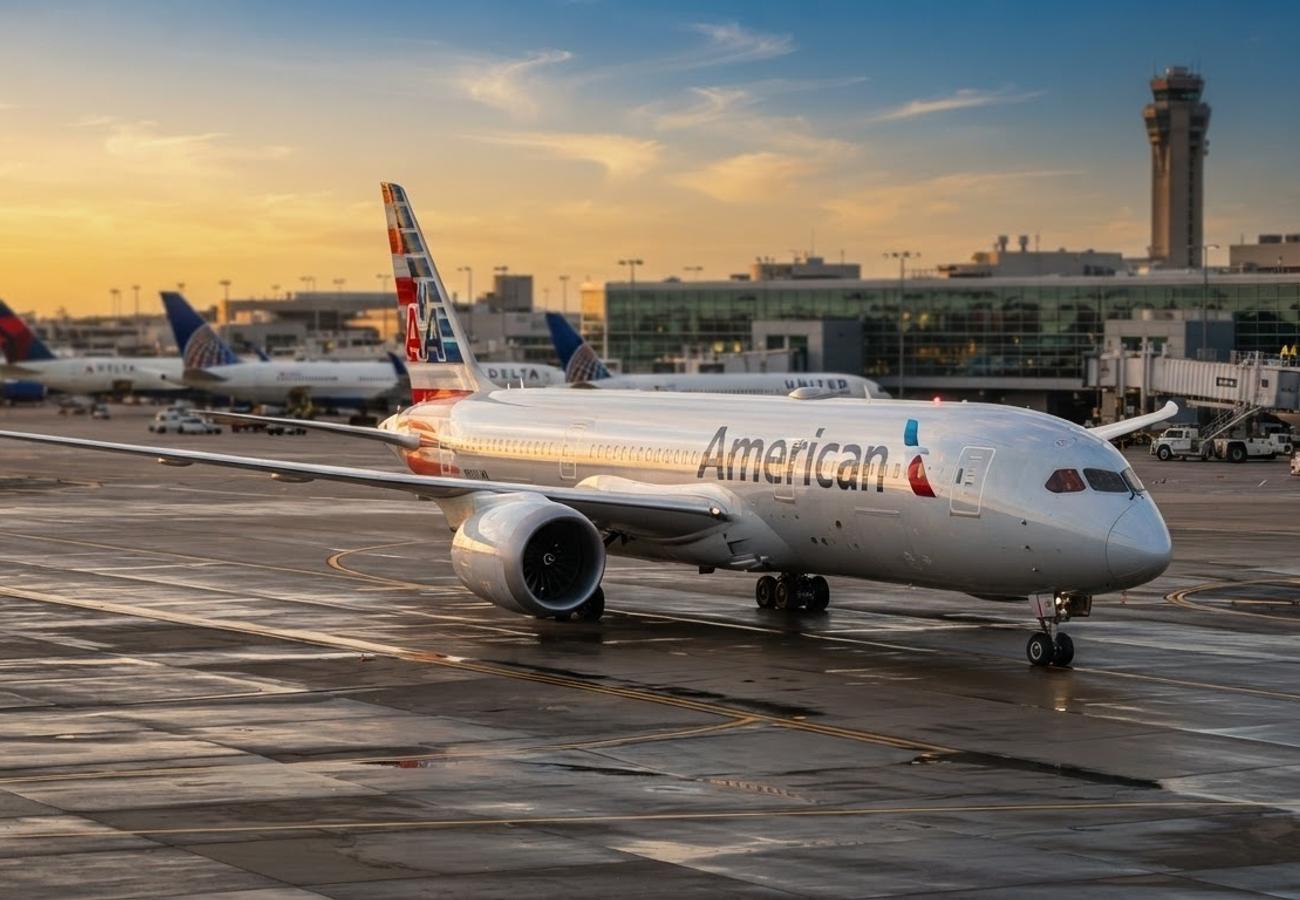
Image generated by AI
American Airlines is aggressively restructuring its global fleet, deploying new Flagship Suite business class seats and expanding premium economy capacity to compete for high-spending passengers. This multiyear initiative involves both the delivery of new aircraft and the extensive retrofitting of existing wide-body and narrow-body jets.
The aviation industry is witnessing a strategic pivot toward higher-yield cabins, as carriers move away from traditional first-class models in favor of enhanced, private business-class environments. For American Airlines, this transition is centered on increasing the ratio of premium seats to economy seats on long-haul corridors, ensuring the airline can maximize revenue from corporate and luxury travelers.
Flagship Suite Deployment on Boeing 787-9 and Airbus A321XLR
The centerpiece of the airline's hardware overhaul is the Flagship Suite. This next-generation business class product features lie-flat seating equipped with closing privacy doors, providing a significant increase in personal space and seclusion compared to previous iterations.
These suites are currently being integrated into newly configured Boeing 787-9 aircraft. Industry reports and company filings identify these specific jets as 787-9P to differentiate them from older Dreamliner configurations. The 787-9P layout prioritizes premium capacity, reflecting a clear shift in the airline's international route strategy.
Beyond wide-body aircraft, the Flagship Suite is also arriving on the Airbus A321XLR. This narrow-body, long-range jet is designed for transcontinental and shorter transatlantic missions. The A321XLR configuration is particularly notable for offering a three-cabin experience—comprising Flagship Suite business class, a dedicated premium economy section, and standard economy—on routes that previously utilized older, less private first-class seating.
Furthermore, officials indicate that the Boeing 777-300ER fleet will undergo a retrofit program to install the Flagship Suite. This move will effectively eliminate traditional international first class on these aircraft, replacing it with a larger, more sophisticated business cabin.
Expansion of Premium Economy as a Strategic Mid-Tier
American Airlines is simultaneously scaling its premium economy offering to bridge the gap between coach and business class. The reconfigured Boeing 787-9 aircraft now feature a larger premium economy section, and similar expansions are planned for the 777-300ER retrofits.
This cabin provides a distinct value proposition: wider seats, increased legroom, and superior dining options without the price point of a lie-flat suite. To drive demand and reward loyalty, the airline is integrating this cabin into its rewards ecosystem. Starting in late August 2026, certain status members traveling in the main cabin will be eligible for complimentary upgrades to premium economy on select Hawaii and long-haul domestic flights, provided space is available.
This strategy transforms premium economy from a purely paid product into a dynamic tool for customer retention, offering frequent flyers a tangible benefit while maintaining a buffer of high-comfort seating.
Modernizing Narrow-Body Domestic Interiors
While the international fleet receives the most dramatic changes, the domestic "workhorse" fleet is also seeing significant investment. American has hundreds of new narrow-body aircraft on order, specifically Airbus A321neo and Boeing 737 MAX variants. These new deliveries feature modernized interiors, including larger overhead bins and dedicated power outlets at every seat.
To ensure consistency across the fleet, the airline is implementing retrofit programs for older aircraft. These updates focus on:
- Updated seat finishes and materials
- Standardized in-seat power access
- Modernized cabin lighting for a brighter aesthetic
These efforts aim to eliminate the "cabin disparity" often experienced by passengers who may fly on a brand-new A321neo one day and an aging 737 the next. By aligning the look and feel of older jets with new deliveries, the airline is attempting to create a more uniform brand experience across its domestic network.
Enhancing the Soft Product and Onboard Service
The upgrade strategy extends beyond physical seats to the "soft product"—the service and amenities provided during the flight. Since 2024, the airline has introduced refreshed onboard services for premium transcontinental and international routes.
These updates include:
- Curated Amenity Kits: A rotating selection of high-end kits designed through design-forward partnerships.
- Upgraded Bedding: New linens and bedding options to improve sleep quality in the Flagship Suite.
- Revised Dining: Updated menus and enhanced beverage selections tailored for business and premium economy passengers.
These service adjustments serve as a bridge, maintaining passenger interest and satisfaction while the physical aircraft retrofits continue to roll out over the coming years.
Timeline for Full Fleet Transformation
The transition to a modernized fleet is a phased process rather than an overnight change. Financial filings and public statements confirm that the retrofitting of wide-body aircraft will continue into the latter part of the decade. Similarly, narrow-body refreshes are scheduled around existing maintenance cycles to minimize operational disruption.
Passengers can expect a hybrid fleet for several years, where legacy cabins and next-generation suites coexist on the same routes. The prevalence of the Flagship Suite and expanded premium economy will grow as more 787-9 and A321XLR jets enter service and the 777-300ER program progresses.
| Aircraft Model | Key Upgrade Feature | Primary Route Focus |
|---|---|---|
| Boeing 787-9P | Flagship Suite & Expanded Premium Economy | Long-haul International |
| Airbus A321XLR | Three-Cabin Layout (Suite/Prem Econ/Economy) | Transcontinental / Short Transatlantic |
| Boeing 777-300ER | Retrofit to Flagship Suite (No First Class) | Long-haul International |
| A321neo / 737 MAX | New Bins, Universal Power, Modern Interiors | Domestic / Regional |
Why This Matters: The Passenger Perspective
For the modern traveler, these changes signal a shift in how airline tickets are valued. The move toward "all-business" long-haul configurations (removing First Class) means that the Flagship Suite is now the gold standard for the airline. If you are a corporate traveler or a luxury tourist, the presence of the "P" configuration on a 787-9 or the use of an A321XLR will drastically change your experience regarding privacy and sleep quality.
From a logistical standpoint, the expansion of premium economy creates a new "sweet spot" for leisure travelers who cannot justify the cost of a suite but find standard economy unsustainable for 10+ hour flights. The introduction of status-based upgrades into this cabin also adds a new layer of value to the airline's loyalty program.
Ultimately, the "cabin lottery"—where passengers are unsure if they will end up in a 20-year-old seat or a brand-new suite—will persist for a few more years. Travelers are now encouraged to verify the specific aircraft type and configuration during the booking process to ensure they receive the upgraded experience.
The race for premium dominance in the skies continues as American Airlines bets on privacy and power to win over the high-value traveler.
Related Travel Guides
Disclaimer
This article is for informational and educational purposes only. It does not constitute legal, financial, or professional advice. While we strive to provide accurate and up-to-date information, travel policies, regulations, and conditions change rapidly. Always verify information with official sources before making travel decisions. Nomad Lawyer makes no representations about the accuracy, reliability, completeness, or suitability of the information provided. Readers should consult qualified professionals for advice specific to their circumstances. The views expressed in this article are those of the author and do not necessarily reflect the views of Nomad Lawyer.
Preeti Gunjan
Contributor & Community Manager
A passionate traveller and community builder. Preeti helps grow the Nomad Lawyer community, fostering engagement and bringing the reader experience to life.
Learn more about our team →