
Qatar Restarts Limited Flights: Airspace Slowly Reopens in March 2026
Qatar restarts limited flights as its airspace slowly reopens under strict safety protocols following regional escalation. March 2026 update affects travelers, airlines, and Middle East connectivity.

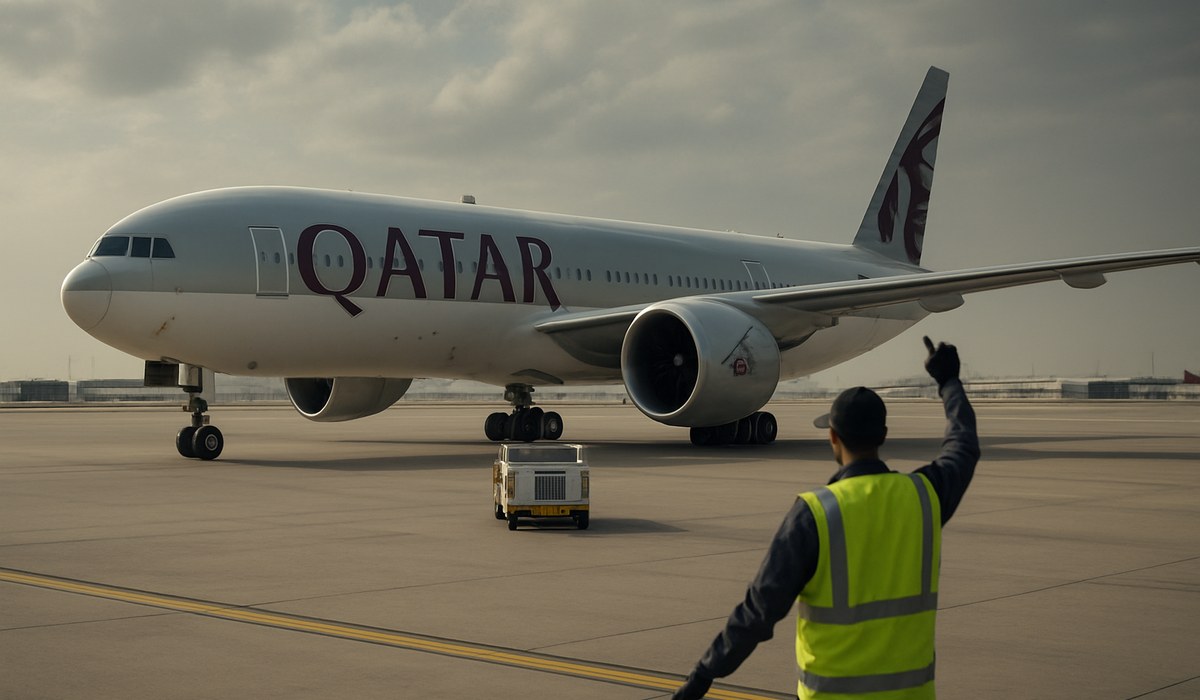
Image generated by AI
Qatar Restarts Limited Flights as Airspace Slowly Reopens
Qatar has begun restoring limited flight operations under rigorous safety controls. The nation's airspace, which underwent total closure on February 28, 2026, has now transitioned into cautiously managed service. This shift marks a pivotal moment for Middle East air travel as regional security concerns persist. The reopening operates through designated emergency corridors rather than standard commercial routes. Airlines and passengers face ongoing uncertainty as conditions remain volatile across the Gulf region.
From Complete Airspace Closure to Restricted Reopening
The Qatar Civil Aviation Authority implemented a blanket airspace closure after escalating regional hostilities threatened civilian aviation safety. Military activity intensified near Hamad International Airport (DOH) and adjacent defense installations. The initial shutdown diverted thousands of flights to alternative regional hubs, forcing carriers to redesign long-haul routing away from Gulf airspace entirely.
By early March 2026, operational bulletins began reflecting a shift toward restricted access protocols. Industry briefings confirm this represents controlled partial reopening, not a return to normal scheduling. Travel management companies characterize current operations as "limited access" rather than unrestricted service. The distinction matters significantly: Qatar remains more restrictive than some neighboring states, yet less constrained than before.
Regional airspace remains a patchwork of closures and contingencies. Insurance requirements for overflights have increased substantially. Flight planners continue monitoring real-time threat assessments from aviation authorities across the Arabian Peninsula. This unsettled environment shapes every operational decision at Doha and regional carriers.
Emergency Corridors: How Qatar Airways and Partners Resume Operations
Qatar restarts limited flights through narrow, pre-approved safe corridors designed specifically for crisis conditions. These designated tracks operate under continuous military and civil coordination. Real-time adjustments occur based on threat assessments and security updates.
Current protocols reserve emergency corridors primarily for critical cargo, medical evacuations, and passenger relief operations. Routine commercial scheduling remains suspended. Operational capacity deliberately stays low to minimize aircraft exposure during active risk periods.
Aviation risk analysts emphasize expanded safety measures now in place across the region. Higher cruising altitudes reduce exposure to ground-based threats. Rerouted flight paths avoid known conflict zones entirely. Stricter separation minima protect aircraft in high-risk sectors near potential missile trajectories. The Civil Aviation Authority maintains reinforced coordination with air defense systems and neighboring flight information regions.
FlightAware tracking systems allow travelers to monitor real-time status of Qatar Airways departures and regional flight movements. Check current conditions before any Middle East travel plans.
Limited Relief Flights Connecting Doha to European Gateways
Qatar Airways has launched targeted relief flights connecting Doha (DOH) with major European hubs. Services operate to London Heathrow (LHR), Paris Charles de Gaulle (CDG), Madrid-Barajas (MAD), Rome Fiumicino (FCO), and Frankfurt (FRA). These repatriation-style movements prioritize stranded passengers from the initial closure period.
Seat availability remains heavily constrained across all relief services. Bookings prioritize passengers already in transit when airspace closure occurred. Airlines frame these operations as temporary evacuation support, not commercial resumption. Schedule updates reference mid-to-late March operations, though all flights remain provisional and subject to cancellation.
Passengers report last-minute schedule changes remain frequent. Aircraft and crews displaced by the crisis create cascading disruptions. The knock-on effects ripple through global airline networks as carriers attempt to restore normal positioning.
Travel agencies consistently recommend verification of flight status 24-48 hours before departure for any itinerary touching Doha or overflying Qatar airspace.
Real-Time Flight Tracking and Passenger Communication
Airlines have established dedicated communication channels for affected passengers. IATA aviation safety guidelines outline current Middle East operational standards. Most carriers provide daily updates on flight availability through email, SMS, and app notifications.
Official sources recommend monitoring airline websites for the most current information. Social media channels of Qatar Airways and regional partners post operational updates throughout each day. Travel forum communities actively share real-time passenger experiences and route alternatives.
The Federal Aviation Administration issues periodic bulletins on Middle East airspace restrictions affecting international flights. U.S.-based carriers coordinate closely with these notices.
Key Data: Qatar Airspace Reopening Timeline and Operational Status
| Metric | Status | Impact |
|---|---|---|
| Airspace Closure Date | February 28, 2026 | Total suspension of civilian operations |
| Limited Reopening Date | March 2-5, 2026 | Partial restoration via emergency corridors |
| Current Operational Capacity | 5-10% of normal | Only critical/relief flights authorized |
| Primary Affected Hub | Hamad International (DOH) | Major connectivity bottleneck |
| Relief Route Network | Europe-Doha corridors | London, Paris, Madrid, Rome, Frankfurt |
| Expected Normalization | TBD / Provisional | Dependent on regional security stabilization |
| Passenger Seat Availability | Severely constrained | Prioritized for stranded/evacuees |
| Insurance Premium Impact | +40-60% for overflights | Increased carrier operational costs |
What This Means for Travelers: Immediate Action Steps
Passengers with existing Middle East bookings face significant uncertainty. Here's what you must do now:
1. Contact Your Airline Directly Email, call, or use the airline app to confirm current flight status. Automated systems often display outdated information. Speak with a live representative for accurate details on your specific routing.
2. Accept Rebooking to Alternative Routes Many carriers offer no-change-fee rebooking to bypass Qatar airspace entirely. Request routing through African or Asian alternative hubs if available. Document all rebooking conversations with confirmation numbers.
3. Claim Refunds if Cancellations Occur Under U.S. Department of Transportation regulations, canceled flights entitle you to full refunds regardless of war-risk exclusions. Some international carriers dispute this; file formal complaints with your national aviation authority if refused.
4. Obtain Travel Insurance Verification Check your policy's coverage for government travel warnings and flight cancellations. War-risk exclusions may void coverage. Contact your insurer before deciding whether to rebook or cancel.
5. Monitor Daily Updates Set phone alerts for your airline and airport. Conditions change hours, not days. Refresh flight information 48 hours before departure.
6. Consider Postponing Non-Essential Travel Flexibility remains your strongest negotiating tool. Airlines freely accommodate date changes when airspace restrictions persist.
Frequently Asked Questions About Qatar's Limited Flight Reopening
When does Qatar restarts limited flights currently operate? Qatar restarts limited flights on an ad-hoc basis as of early March 2026, primarily targeting relief movements on rolling short-term schedules. Relief flights operate several days per week connecting Doha to European gateways. Exact departure dates shift based on security assessments. Passengers must verify schedules 48 hours before travel, as cancellations occur frequently.
What airlines currently serve Doha now that Qatar restarts limited operations? Qatar Airways operates the primary limited relief services from Hamad International Airport (DOH). Regional partners and international carriers maintain limited coordination flights where safe corridors permit. Most foreign carriers continue rerouting around Qatar entirely rather than operating into DOH currently.
Will standard commercial flight operations resume soon to replace limited services? Industry analysts estimate full normalization remains weeks to months away, dependent entirely on regional security stabilization. Current limited operations specifically exclude routine passenger bookings. Airlines maintain provisional schedules pending airspace authority clearance. No firm timeline for commercial resumption has been publicly announced as of March 27, 2026.
How should I rebook if my flight connected through Doha during the closure? Contact your booking airline immediately requesting rebooking to alternative routing. Most carriers waive change fees for Middle East disruptions. Request specific alternative routings (African or Asian hubs) rather than accepting generic rebooking options. Document all conversations with confirmation numbers for potential refund claims under DOT regulations.
Related Travel Guides and Resources
Middle East Flight Disruption: Complete Traveler Guide for 2026
Navigating Regional Airspace Closures: What Travelers Need to Know
Airlines, Refunds, and Cancellations: Your Rights Under DOT and IATA Rules
Disclaimer
Disclaimer
This article is for informational and educational purposes only. It does not constitute legal, financial, or professional advice. While we strive to provide accurate and up-to-date information, travel policies, regulations, and conditions change rapidly. Always verify information with official sources before making travel decisions. Nomad Lawyer makes no representations about the accuracy, reliability, completeness, or suitability of the information provided. Readers should consult qualified professionals for advice specific to their circumstances. The views expressed in this article are those of the author and do not necessarily reflect the views of Nomad Lawyer.
Raushan Kumar
Founder & Lead Developer
Full-stack developer with 11+ years of experience and a passionate traveller. Raushan built Nomad Lawyer from the ground up with a vision to create the best travel and law experience on the web.
Learn more about our team →