
American Airlines Boarding Rules Clarify Footwear Expectations in Updated Carriage Terms
American Airlines has updated its Conditions of Carriage, formally stating that barefoot passengers can be denied boarding as part of safety and cabin conduct standards.

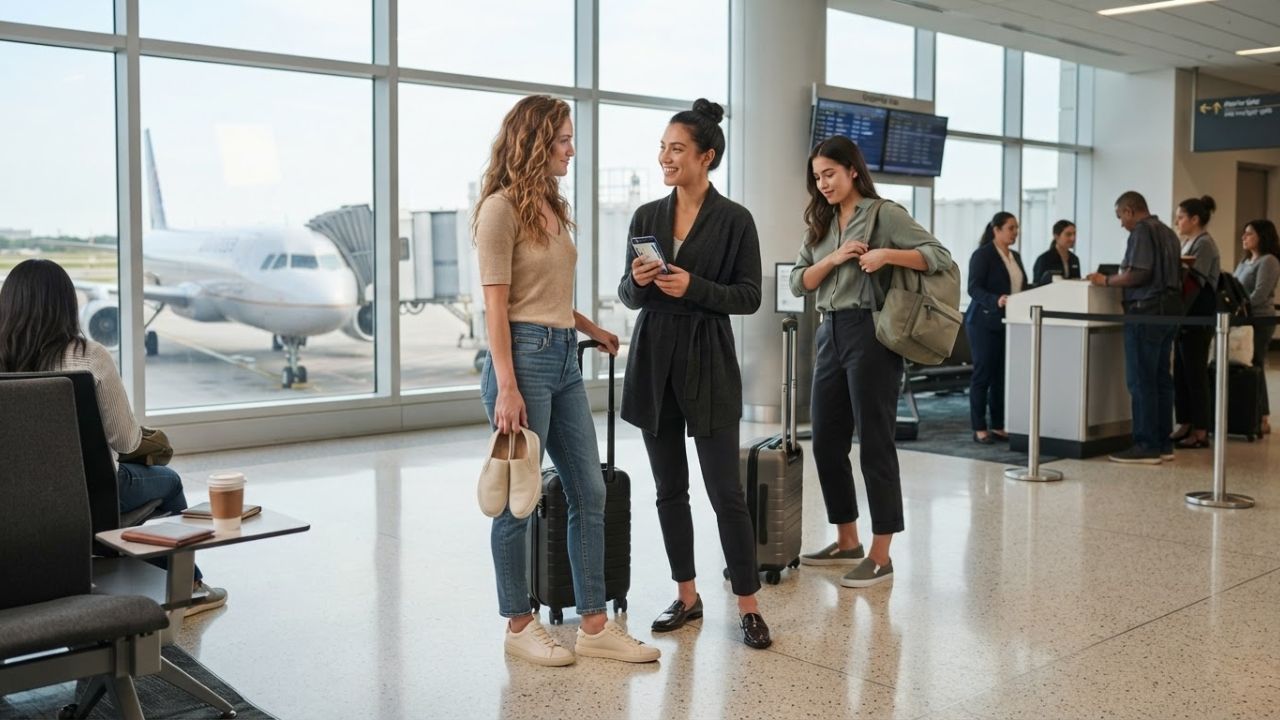
Image generated by AI
American Airlines has updated its official Conditions of Carriage, formally clarifying that passengers traveling barefoot or wearing offensive clothing can be denied boarding at the gate. While comfort remains a priority for long-haul flyers, the airline’s updated passenger conduct rules prioritize safety, hygiene, and cabin etiquette across all domestic and international flights.
Updated Conditions of Carriage and the Footwear Mandate
American Airlines has updated its official Conditions of Carriage, formally establishing that passengers who board without proper footwear can be refused transport. This policy update places barefoot travel under the category of passenger conduct, making footwear a mandatory requirement for the duration of the flight. The rule has attracted global attention primarily because it is located within the airline’s detailed contractual terms rather than being promoted through standard travel advertisements.
This contractual update has prompted legal and consumer advocacy groups to review passenger rights boundaries. Historically, conditions of carriage focused on baggage liability and ticket refunds, but modern airlines are increasingly using these documents to codify passenger behavioral standards. The additions ensure that the airline has a clear legal defense if a passenger files a lawsuit after being removed for inappropriate appearance. While many travelers rarely review the Conditions of Carriage before booking, these terms serve as the legally binding contract between the passenger and the airline. When a ticket is purchased, the passenger agrees to adhere to these behavior and appearance standards. The footwear policy is an airline-specific contractual requirement enforced by gate agents and cabin crew, rather than a general federal law. Airline staff have full authority to deny boarding to travelers who do not meet these footwear expectations, ensuring a consistent standard of safety and conduct across all departures.
Safety and Hygiene Concerns in Shared Cabin Environments
Aircraft cabins are shared spaces utilized by hundreds of travelers daily, making hygiene a primary concern for airline operators. Cabin carpets, aisles, and lavatory floors are high-traffic zones exposed to spills, trash, and contaminants that quick-turn cleaning procedures may not fully sanitize. Walking barefoot in these areas directly exposes skin to bacteria and pathogens. Additionally, the physical contact between bare skin and cabin surfaces raises concerns about the transmission of fungal infections like athlete's foot. Flight attendants frequently highlight that cabin carpets are not steam-cleaned between flights due to tight airline turn-around schedules, meaning that bacteria can persist on floors for several days. Wearing shoes acts as a vital barrier against these invisible biological hazards. Cabin crew members also report regular passenger comfort complaints regarding inappropriate behavior, which often involves travelers placing bare feet on bulkheads, armrests, or tray tables.
Safety considerations also support the airline's footwear requirement. The Federal Railroad Administration and aviation safety bodies emphasize that footwear provides critical protection during emergency evacuations. In the event of turbulence, sudden cabin decompression, or an emergency landing, shoes protect feet from sharp debris, hot surfaces, and mechanical hazards on evacuation slides. Barefoot passengers are more vulnerable to foot injuries that could slow down their movement, potentially obstructing evacuation paths and impeding emergency operations.
Travel Disruption Risks and Crew Enforcement Guidelines
The updated conditions outline clear consequences for passengers who ignore the footwear mandate. Gate agents and flight crew have the authority to ask barefoot passengers to put on shoes before boarding. Refusing to comply with crew instructions is considered a violation of passenger conduct rules, which can lead to a formal refusal of transportation. Being denied boarding at the gate can result in missed connections, lost baggage, non-refundable hotel reservations, and significant out-of-pocket expenses for booking new flights.
For passengers who have medical conditions or accessibility needs that affect their ability to wear standard footwear, advance coordination is essential. Travelers should contact American Airlines’ accessibility support teams before their travel date to explain their situation and arrange approved accommodations. Proactive communication helps prevent unnecessary disputes at the gate and ensures that the airline can provide suitable assistance without disrupting boarding timelines.
Seasonal Peak Travel Demands and Passenger Awareness
The updated passenger guidelines are particularly relevant during busy late-summer travel periods, when high passenger volumes place additional pressure on gate agents to manage boarding efficiently. While security protocols at U.S. airports have evolved—with the Transportation Security Administration ending the routine shoe removal requirement for domestic travelers—passengers must still comply with airline-specific boarding rules once they reach the departure gate. Individual airport security checkpoints still maintain discretion to require shoe removal during secondary screenings, but this does not override the airline's footwear requirement for the flight.
For families traveling with children, the same basic footwear standards apply, and parents should ensure that children have comfortable shoes ready before reaching the boarding queue. Additionally, passengers booking codeshare flights must pay close attention to the operating carrier. While the ticketing airline's Conditions of Carriage govern the contract, the operating carrier's in-flight safety and conduct rules apply once onboard the aircraft. Carrying lightweight slip-on shoes in a carry-on bag is a practical solution that ensures compliance regardless of which carrier operates the flight.
Visitor Guide: Packing Tips, In-Flight Etiquette, and Comfort Footwear
Maintaining passenger compliance and personal comfort during a flight requires very little preparation. By choosing appropriate footwear and following basic cabin etiquette, travelers can enjoy a smooth and comfortable journey.
For air travel, select footwear that is comfortable, breathable, and easy to slip on and off, such as lightweight slip-on trainers, loafers, or supportive flat sandals. Avoid tight-fitting shoes or high heels, as feet naturally swell at high cabin altitudes. To prevent swelling and maintain healthy circulation during long-haul flights, wear graduated compression socks, which apply gentle pressure to improve blood flow and reduce the risk of deep vein thrombosis.
If you prefer to remove your shoes during a long flight, pack a pair of clean compression socks or lightweight travel slippers to keep your feet protected. Never walk barefoot down the aircraft aisles or into the lavatories, as these surfaces are highly unsanitary. Store your shoes directly under the seat in front of you rather than in the overhead bins so they are easily accessible during turbulence or in an emergency. Respect nearby passengers by keeping your feet on the floor at all times, avoiding placing them on armrests, bulkheads, or tray tables. Review the Conditions of Carriage on the official American Airlines portal before packing to ensure you remain fully informed of all passenger requirements.
Future Outlook: Balancing Personal Liberty with Cabin Comfort
The updated footwear rule reflects a broader trend among major airlines to establish clearer passenger conduct standards, addressing issues related to dress codes, cabin etiquette, and hygiene. As aircraft cabins become more crowded, maintaining a comfortable and clean environment for all travelers requires clear rules and consistent enforcement.
Additionally, passenger travel groups are calling for airlines to provide clearer boarding signage at gates to prevent last-minute boarding denials. By displaying footwear and dress code reminders on digital boarding passes and check-in kiosks, carriers can educate passengers before they reach the gate agent. This proactive approach reduces stress for both gate staff and passengers, ensuring a more orderly departure process. Ultimately, the long-term success of the commercial aviation sector relies on balancing passenger comfort with operational safety. By clarifying footwear rules and providing crew with clear guidelines for addressing violations, airlines are creating a more professional and comfortable travel experience. As passengers prioritize hygiene and safety, destinations and carriers that offer clean, well-managed transit options will continue to lead the global travel market, building a resilient foundation for the aviation industry.
Related Travel Guides
Disclaimer
This article is for informational and educational purposes only. It does not constitute legal, financial, or professional advice. While we strive to provide accurate and up-to-date information, travel policies, regulations, and conditions change rapidly. Always verify information with official sources before making travel decisions. Nomad Lawyer makes no representations about the accuracy, reliability, completeness, or suitability of the information provided. Readers should consult qualified professionals for advice specific to their circumstances. The views expressed in this article are those of the author and do not necessarily reflect the views of Nomad Lawyer.
Preeti Gunjan
Contributor & Community Manager
A passionate traveller and community builder. Preeti helps grow the Nomad Lawyer community, fostering engagement and bringing the reader experience to life.
Learn more about our team →