American Airlines Flight AA3230 Mayday: Logistics of Emergency Returns from Phoenix to Portland

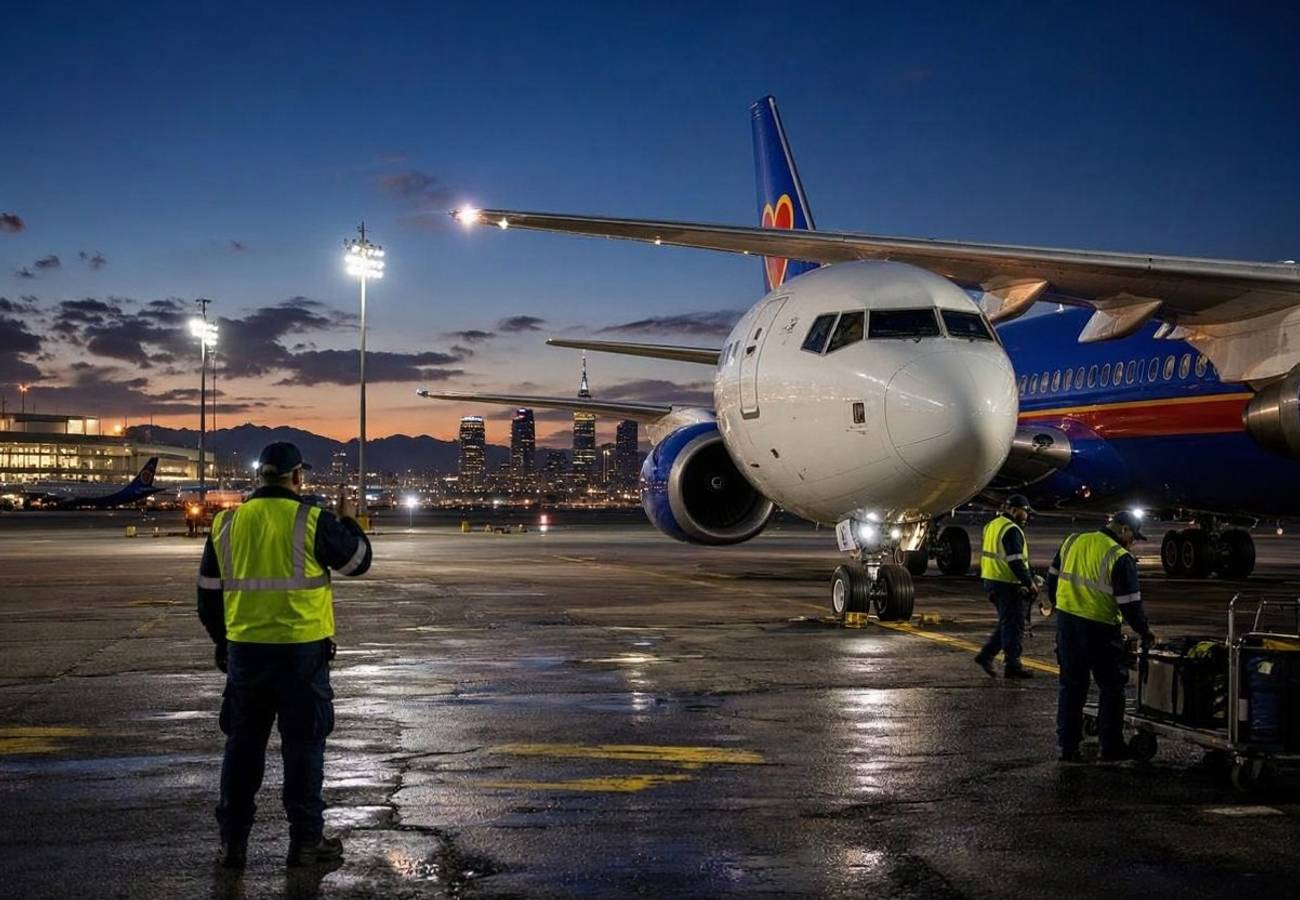
Image generated by AI
Have you ever wondered what actually happens to your itinerary when a pilot declares a "Mayday" and turns the plane around? On November 19, 2026, passengers on American Airlines Flight AA3230 experienced this firsthand when a routine trip from Phoenix to Portland transformed into an emergency return to Arizona.
The AA3230 Emergency Return
Flight AA3230 departed from Phoenix Sky Harbor International Airport bound for Portland International Airport. Shortly after takeoff, the flight crew identified a hydraulic malfunction. Simultaneously, the crew of another nearby aircraft reported seeing flames near one of the AA3230 engines. These combined factors led the pilots to declare a Mayday—the highest level of distress signal in aviation—to secure immediate priority for landing.
The aircraft, carrying approximately 120 passengers, was granted priority handling by air traffic controllers and returned safely to Phoenix. While the report of flames caused significant alarm, post-flight inspections by American Airlines found no evidence of an actual engine fire. The specific mechanical failure regarding the hydraulic system has not yet been detailed in official reports from the Federal Aviation Administration (FAA) or the National Transportation Safety Board (NTSB).
November 2026 Technical Incident Log
The Phoenix event was not the only technical disruption for the carrier during this period. Several other flights faced mechanical issues that required immediate returns or emergency inspections.
| Route/Flight | Date | Incident Type | Action Taken | Status |
|---|---|---|---|---|
| AA3230 (PHX $\rightarrow$ PDX) | Nov 19, 2026 | Hydraulic Issue / Reported Flames | Mayday / Return to PHX | Safe Landing |
| AA675 (PHX) | Nov 3, 2026 | Brake System Issue | Return to PHX | Safe Landing |
| AA1989 (LAX) | Nov 12, 2026 | Landing Gear Concern | Return to LAX | Safe Landing |
| AA496 (MCO) | Nov 2026 | Engine-related Incident | Emergency Handling | Safe Landing |
Traveler Logistics Guide
When a flight declares a Mayday and returns to the departure airport, the logistics for the passenger shift from "transit" to "crisis management." Here is how to handle the situation step-by-step.
1. Immediate Post-Landing Actions Once the aircraft lands safely, do not immediately leave the terminal. In an emergency return, the airline must account for all passengers. Stay with your group and wait for official announcements regarding whether you will be re-boarded on a different aircraft or if the flight is canceled.
2. Managing Your Baggage In a Mayday return, luggage typically stays in the hold. If the airline decides to swap aircraft, they may either transfer your bags internally or require you to reclaim them and re-check them. Always verify the status of your checked bags with a gate agent before leaving the secure area.
3. Rebooking and Compensation Under US Department of Transportation guidelines, a technical failure is generally considered within the airline's control. If the return to Phoenix causes you to miss a connection in Portland, American Airlines is responsible for rebooking you on the next available flight.
4. Documentation for Insurance If you have travel insurance, a Mayday declaration is a "covered event." Request a written statement or a screenshot of the flight status showing the "Emergency Return" or "Technical Diversion." This is essential for claiming reimbursement for hotels or meals if you are stranded in Phoenix overnight.
5. Digital Check-in and Updates Use the official American Airlines app to monitor your new flight assignment. During emergency returns, gate agents are often overwhelmed; the app usually updates your new seat and flight number faster than the staff can announce them.
Regional Connectivity Impact
The cluster of technical returns in November 2026—spanning Phoenix, Los Angeles, and Orlando—highlights a period of operational volatility for domestic US transit. For frequent flyers on the Phoenix-Portland corridor, this suggests a need for more flexible scheduling.
When booking high-frequency domestic routes during periods of reported mechanical instability, I recommend avoiding "tight" connections (less than 90 minutes). A return-to-base event like AA3230 doesn't just delay one flight; it ripples through the hub's schedule, affecting gate availability and crew legal flying hours for subsequent departures.
FAQ: AA3230 Emergency Return 2026
Do I need a transit visa if my flight returns to the departure city? No. If you are returning to the airport you just departed from, you remain in the jurisdiction you already entered. However, if you were diverted to a third city or country, visa requirements would depend on that specific location's transit laws.
How long is the typical delay after a Mayday return? Delays vary. If a replacement aircraft is available, passengers may be airborne within 3-6 hours. If the airline must ferry in a new plane or reposition a crew, delays can extend to 12-24 hours.
Can I check my bags through to the final destination after a return? Yes. Once a replacement flight is assigned, the airline will typically "through-check" your bags to Portland, meaning you won't have to handle them in Phoenix again.
Is a "Mayday" declaration a sign of an imminent crash? No. A Mayday is a precautionary tool used by pilots to clear the airspace and get priority landing. As seen with AA3230, it is often used to manage technical risks safely before they become critical.
Safety in aviation is not the absence of incidents, but the presence of rigorous procedures to manage them.
Related Travel Guides
This article is for informational purposes. Flight routes, passenger regulations, visa rules, and transit advisories are subject to change by airlines and aviation authorities. Readers are advised to verify schedules and travel documentation with relevant carriers and border agencies before departure.
Related Stories

American Airlines, Delta, and United Lead 10 US Carriers in 2027 APEX Passenger Experience Awards

2027 APEX Passenger Experience Awards: Ten US Airlines Honored as Global Rivals Sweep Top Categories