Australia Steps Up With Fiji Plus Others as Sydney-Melbourne Boost Premium Pacific Travel Experiences


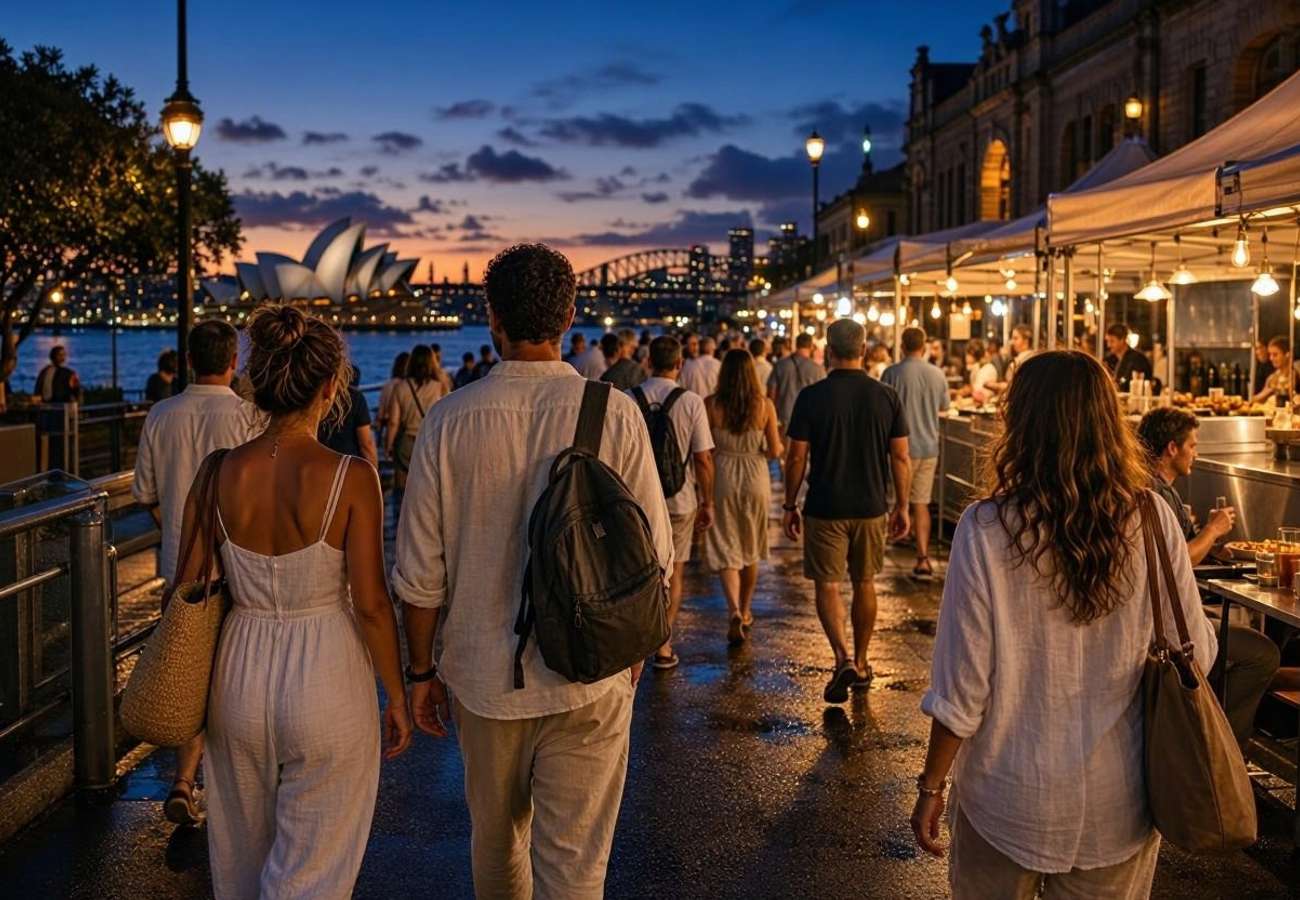
Image generated by AI
Regional tourism expenditure in Australia reached record highs in 2025, signaling a decisive pivot from volume-based growth to value-based extraction. This shift represents a fundamental departure from the previous decade's focus on raw arrival numbers, moving instead toward a "high-yield" model where the economic contribution per visitor is the primary metric of success.
The Value-Over-Volume Pivot in Numbers
The Oceania region is currently undergoing a structural realignment of its tourism economy. Rather than competing on price points or mass-market accessibility, Australia, New Zealand, Fiji, Samoa, and Vanuatu are synchronizing their strategies to attract a specific demographic: the high-value traveler. This segment is characterized by longer average lengths of stay, higher daily spend, and a preference for low-impact, high-engagement experiences.
In Australia, the strategic pivot is codified in the THRIVE 2030 strategy. The objective is no longer simply to fill hotel rooms in Sydney and Melbourne but to diversify the visitor footprint into regional areas and Indigenous-led tourism. This is a direct response to the volatility of mass tourism; by targeting high-yield segments, destinations can generate the same or greater GDP contribution with fewer physical visitors, thereby reducing the strain on infrastructure and natural ecosystems.
New Zealand has quantified this ambition with aggressive fiscal targets. The New Zealand Tourism Growth Roadmap explicitly aims to double tourism export value from 2023 levels, targeting a reach of NZ$19.8 billion by 2034. This represents a calculated bet that the global appetite for premium nature and wellness tourism will outpace the growth of budget travel. According to data trends often tracked by the World Travel & Tourism Council (WTTC), the shift toward "regenerative travel" is no longer a niche preference but a primary driver for the affluent traveler segment.
Comparative Regional Benchmarks: Oceania's Strategic Shift
The transition from a "Beach and Sun" model to an "Experience Economy" is not uniform across the Pacific, but the trajectory is identical. While Australia leverages its urban gateways to funnel high-spending visitors into the interior, Fiji is legislating its way toward sustainability. The introduction of the Tourism Act 2026 in Fiji serves as a regulatory blueprint for the region, updating the legal framework to manage a more complex ecosystem of community-based operators and luxury providers.
The following table illustrates the divergence between the traditional tourism model and the emerging high-value framework currently being implemented across the region.
| Metric/Focus | Traditional Model (Pre-2024) | High-Value Model (2025-2035) | Primary Regional Driver |
|---|---|---|---|
| Success KPI | Total Arrival Volume | Total Export Value / Yield per Visitor | NZ Tourism Growth Roadmap |
| Primary Product | Mass-Market Beach Resorts | Bespoke Wellness & Culture | Fiji National Sustainable Framework |
| Visitor Profile | Short-stay / Budget-conscious | Long-stay / High-net-worth | Australia THRIVE 2030 |
| Environmental Impact | High-density / Resource-heavy | Low-impact / Regenerative | Vanuatu Low-Impact Strategy |
| Economic Distribution | Concentrated in Hubs | Distributed to Regional/Indigenous | Tourism Australia 2035 Strategy |
This regional alignment suggests a move toward a "circuit" model. By coordinating their value propositions—Sydney’s urban luxury, New Zealand’s premium adventure, and Samoa’s cultural authenticity—these nations are encouraging multi-destination itineraries. This prevents "destination fatigue" and increases the total spend per trip across the entire Pacific corridor.
Practical Traveler Advisory and Strategic Insights
For the individual traveler, the "high-value" shift translates to a change in both availability and pricing. As destinations move away from mass-market models, the "budget" option is becoming intentionally scarce in favor of curated, premium experiences.
1. Booking Lead Times and Pricing: If you are planning a trip to New Zealand or Fiji in 2026, expect a tighter inventory of mid-range accommodations. Because the New Zealand Tourism Growth Roadmap prioritizes premium accommodation and wellness tourism, the supply of luxury boutique stays is increasing, while traditional budget hostels may see less investment. Booking 4-6 months in advance for premium nature-based lodges is now essential.
2. Itinerary Construction: The data suggests a move toward "Slow Travel." Travelers should look to combine the high-connectivity gateways of Sydney and Melbourne with extensions into Samoa or Vanuatu. The industry is shifting toward multi-destination premium packages. Travelers who bundle an urban business event stay in Melbourne with a cultural immersion in Samoa will likely find more integrated logistics and specialized concierge services.
Australia's efforts to enhance premium Pacific travel experiences have led to increased collaboration with Fiji and other island nations, offering travelers a unique blend of culture, adventure, and relaxation. For the latest information on flight schedules and travel requirements, visitors can check the Australian Government's Department of Home Affairs website for updates on visa policies and travel restrictions. This move is expected to boost tourism in the region, with Sydney and Melbourne serving as key hubs for travelers.
3. Experience Expectations: The rise of the Fiji National Sustainable Tourism Framework 2024–2034 means that "all-inclusive" no longer just means food and drink; it now encompasses community contribution and environmental offsets. Travelers should expect—and budget for—experiences that involve direct engagement with local communities and Indigenous guides, as these are now the primary products being marketed by the UN World Tourism Organization (UNWTO).
Forward Projection: The 2030 Pacific Corridor
Based on the current trajectory of the Tourism 2035 strategy in Australia and the 2034 targets in New Zealand, the Pacific is heading toward a "closed-loop" tourism economy. We can project that by 2030, the region will have largely decoupled economic growth from visitor volume.
We will likely see the implementation of "value-based entry" systems—not necessarily in the form of taxes, but through the curation of experiences that naturally filter for high-spending visitors. For example, the expansion of luxury marine tourism in Fiji and low-impact strategies in Vanuatu suggests a future where access to pristine sites is managed via high-cost, low-volume permits.
Furthermore, the integration of Indigenous tourism as a core pillar of the THRIVE 2030 strategy indicates that cultural authenticity will become the primary currency of the region. As global travelers move away from standardized luxury (the "gold-plated hotel" model) toward authentic luxury (the "exclusive cultural access" model), the Pacific is positioning itself as the global leader in this segment.
FAQ: Pacific High-Value Tourism 2026
Will travel prices in the Pacific increase? Yes. The explicit goal of the New Zealand Tourism Growth Roadmap and Australia's THRIVE 2030 is to increase "export value" and "yield per visitor." This indicates a strategic move toward higher price points for premium, sustainable experiences.
Is this a good time to book a budget trip to Fiji or Samoa? Budget options are becoming less prioritized in national strategies. While they still exist, the focus is shifting toward luxury resorts and community-based tourism. To find value, look for community-led stays rather than traditional mass-market resorts.
Which airlines are expanding on these routes? While specific carriers aren't named in the strategic frameworks, the focus on Sydney and Melbourne as "gateways" suggests that airlines servicing these hubs with premium cabins will see the most growth to accommodate high-yield travelers.
What is "high-yield tourism"? It is a strategy that prioritizes the amount of money a tourist spends and the length of their stay over the total number of people visiting. It aims to maximize economic gain while minimizing environmental damage.
The Pacific is no longer selling a destination; it is selling an exclusive, sustainable asset.
Tags: Oceania-High-Yield-Tourism-2025, NZ-Tourism-Growth-Roadmap-2034, Fiji-Sustainable-Tourism-Framework, Australia-THRIVE-2030, Pacific-Export-Value-Metrics
Related Travel Guides
This article is for informational purposes. Flight routes, passenger regulations, visa rules, and transit advisories are subject to change by airlines and aviation authorities. Readers are advised to verify schedules and travel documentation with relevant carriers and border agencies before departure.
Related Stories
Oceania Tourism Shifts to Night-Time Operations to Combat Extreme Heatwaves in 2026

European Mass Protests Disrupt Travel Across France, Italy, Belgium, and Turkey in 2026