
Abu Dhabi Boosts Tourism Strategy 2030 With New Digital Platform for Island and Sea Experiences
Abu Dhabi Boosts Tourism Strategy 2030 With New Digital Platform for Island and Sea Experiences

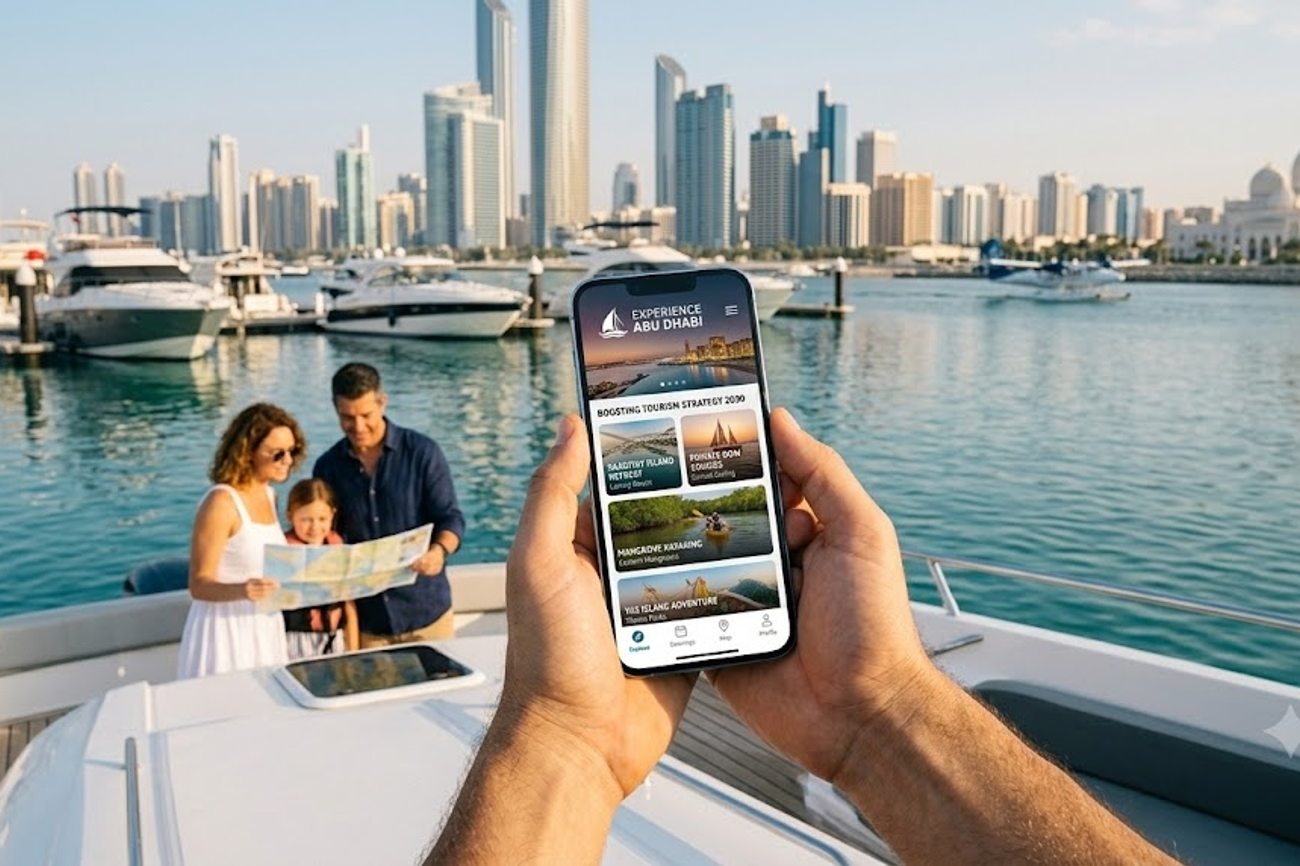
Image generated by AI
More than 200 islands and marine zones are now indexed within a new centralized digital framework designed to pivot Abu Dhabi's tourism model from urban sightseeing to maritime exploration. This strategic launch of the Abu Dhabi Islands and Water Sports Guide marks a shift in how the emirate manages its coastal assets, transitioning from passive destination marketing to active, data-driven visitor management. By digitizing access to its vast archipelago, Abu Dhabi is attempting to solve a classic tourism paradox: increasing visitor volume while simultaneously enforcing strict environmental conservation.
The Architecture of Maritime Access
The introduction of this digital guide is not merely a promotional tool but a regulatory mechanism. For decades, the exploration of Abu Dhabi's coastline was fragmented, often relying on local knowledge or specific tour operators. The new platform formalizes this process by categorizing the emirate's marine geography into a strict hierarchy of accessibility.
Travelers are no longer guessing which shores are open to the public. The system divides locations into specific tiers: highly recommended sites, fully accessible islands, limited-access zones, marine protected areas, privately owned territories, and strictly prohibited zones. This classification is essential for the Department of Culture and Tourism – Abu Dhabi, as it allows the government to steer foot traffic away from fragile ecosystems and toward infrastructure-ready zones.
By integrating interactive mapping with a directory of licensed operators, the emirate is effectively creating a "closed-loop" ecosystem. Visitors are guided from the discovery phase (the digital guide) to the execution phase (licensed providers), ensuring that every kayaking trip through mangrove forests or sailing excursion is conducted under the oversight of approved professionals.
Economic Targets and the 2030 Roadmap
The digital guide serves as a tactical instrument for the broader Tourism Strategy 2030. This is a high-stakes economic pivot intended to reduce reliance on traditional city-center attractions and diversify the revenue streams of the tourism sector. The financial and logistical scale of this ambition is evident in the government's stated targets:
| Metric | 2030 Target Goal |
|---|---|
| Annual Visitor Volume | 39.3 Million |
| New Tourism-Related Employment | 178,000 Jobs |
| Total Economic Contribution | AED 90 Billion |
To hit these numbers, Abu Dhabi cannot rely solely on the Louvre Abu Dhabi or the Sheikh Zayed Grand Mosque. It must increase the "Average Length of Stay" (ALOS). By promoting island-hopping and multi-day sailing itineraries, the emirate is incentivizing travelers to remain in the region longer. A visitor who spends three days exploring remote islands is more likely to spend more on accommodation, dining, and specialized equipment rentals than a transit tourist visiting a single museum.
Expert Analysis: The Shift to "Managed Adventure"
For the seasoned traveler, the launch of this guide signals the end of the "wild" era of Abu Dhabi's coast and the beginning of "managed adventure." When a government digitizes 200+ islands and classifies them by access level, it is implementing a system of crowd control and environmental auditing.
The direct consequence for travelers booking these routes is a significant increase in safety and predictability, but a decrease in spontaneous, unregulated exploration. The reliance on licensed operators means that pricing will likely stabilize around government-approved standards, reducing the volatility of "street-level" bargaining but potentially increasing the baseline cost of entry for budget travelers.
From a regulatory perspective, this move aligns with global trends seen in the International Air Transport Association (IATA) and other global bodies where digitalization is used to streamline the "passenger journey." In this case, the "passenger" is a sailor or kayaker. By controlling the flow of people via a digital gatekeeper, Abu Dhabi can monitor the carrying capacity of its mangroves and coral reefs in real-time. If a specific "highly recommended" island reaches its ecological limit, the digital guide can be updated instantly to redirect traffic to "accessible" but less crowded alternatives.
Furthermore, this strategy targets a specific high-value demographic: the eco-conscious adventure traveler. By highlighting "marine protected zones" and "environmental considerations," Abu Dhabi is positioning itself not just as a luxury destination, but as a steward of the Arabian Gulf. This is a calculated move to attract the growing market of sustainable tourists who prioritize authenticity and nature over gold-plated luxury.
Key Takeaways
- Centralized Access: Travelers can now navigate over 200 islands and marine areas through a single digital interface, replacing fragmented local guides.
- Strict Zoning: The coastline is now divided into categories ranging from "highly recommended" to "prohibited," making it clear where permits are required.
- Economic Scaling: The initiative is a pillar of the 2030 Vision, aiming for 39.3 million annual visitors and an economic impact of AED 90 billion.
- Operator Validation: The platform exclusively connects tourists with licensed marine operators, ensuring safety and regulatory compliance.
- Strategic Diversification: The move shifts the tourism focus from urban centers to nature-based, outdoor experiences to extend visitor stays.
FAQ: Abu Dhabi Marine Tourism 2024
Do I need a permit to visit the islands in Abu Dhabi? It depends on the island's classification. While "accessible islands" are open, those listed as "limited-access" or "marine protected zones" require special permissions or must be visited via a licensed operator. Check the digital guide for specific zone requirements.
How do I find a legal boat or kayak rental in Abu Dhabi? The official Abu Dhabi Islands and Water Sports Guide provides a directory of licensed operators. Using these approved providers is the only way to ensure you are accessing restricted areas legally and safely.
Is the digital guide free for international tourists? Yes, the platform is designed as a public resource to help international visitors plan itineraries and understand environmental restrictions across the emirate's coastline.
What activities are most promoted in the new guide? The guide emphasizes sailing, island-hopping, and kayaking, particularly within the mangrove ecosystems, as part of the emirate's push toward sustainable, nature-based tourism.
The transition from city skylines to salt-water horizons is no longer a suggestion—it is a digitized mandate for the future of Emirati tourism.
Tags: Abu Dhabi Tourism Strategy 2030, UAE Marine Tourism, Abu Dhabi Islands Guide, Sustainable Tourism UAE, Arabian Gulf Eco-Tourism
Related Travel Guides
- Turkey Aligns With France And More Countries In Attracting Tourists As 8% European Travellers Fuel New Tourism Opportunities
- California’s Carlsbad Coastal Bluff Emergency Raises Fresh Risks for Beach Travel Ahead of El Niño
- Kuwait Aligns With UAE And More Countries To Boost Arctic Tourism As Europe Winter Travel Demand Explodes
Disclaimer
This article is for informational and educational purposes only. It does not constitute legal, financial, or professional advice. While we strive to provide accurate and up-to-date information, travel policies, regulations, and conditions change rapidly. Always verify information with official sources before making travel decisions. Nomad Lawyer makes no representations about the accuracy, reliability, completeness, or suitability of the information provided. Readers should consult qualified professionals for advice specific to their circumstances. The views expressed in this article are those of the author and do not necessarily reflect the views of Nomad Lawyer.
Naina Thakur
Contributor & Travel Specialist
Travel enthusiast and legal writer covering visa regulations, responsible tourism, and cultural journeys across global destinations.
Learn more about our team →