
Turkey Aligns With France And More Countries In Attracting Tourists As 8% European Travellers Fuel New Tourism Opportunities
Turkey Aligns With France And More Countries In Attracting Tourists As 8% European Travellers Fuel New Tourism Opportunities

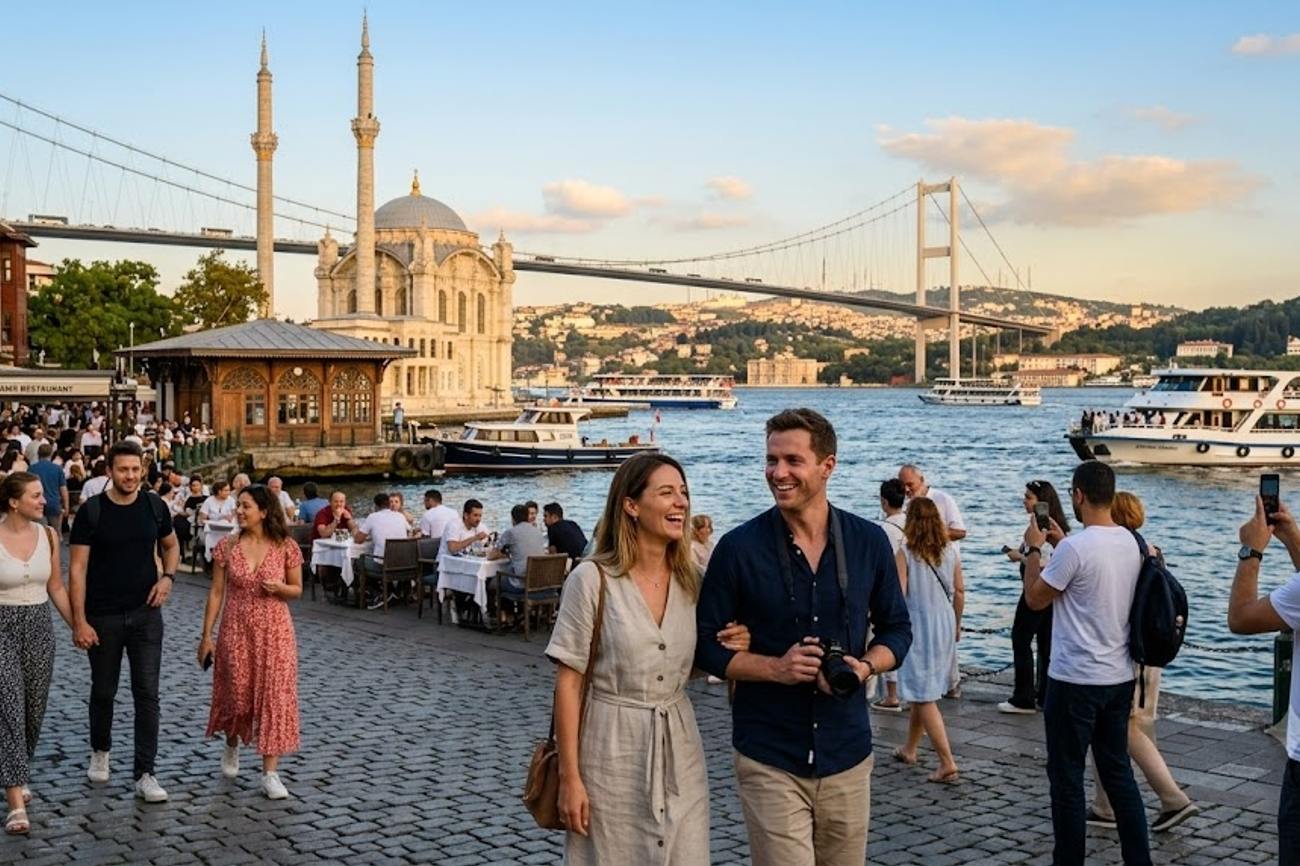
Image generated by AI
[Ankara, May 2024] — Türkiye has surged into the top three non-EU destinations for European Union residents, capturing a significant share of the 8% of EU tourists who travel outside the bloc. Recent 2024 statistics reveal a shifting pattern in European outbound travel, with Türkiye now competing directly with the United Kingdom and Switzerland for the highest volume of non-EU visitors.
The shift comes as EU travelers increasingly prioritize competitive pricing, unique cultural immersion, and streamlined connectivity over traditional intra-EU routes. While France, Spain, and Italy maintain their dominance within the union, the rise of Türkiye signals a growing appetite for destinations that offer a blend of luxury and affordability. This trend is providing a massive economic stimulus to regional hotels, airlines, and local businesses across the Turkish Republic.
The Shift in European Outbound Patterns
The current surge in Turkish tourism is driven by a strategic diversification of the visitor experience. No longer reliant solely on the "sun and sea" model, the country is leveraging a multi-sector approach to attract various traveler demographics.
The Republic of Türkiye Ministry of Culture and Tourism has focused on expanding the appeal of several key hubs:
- The Mediterranean Coast: Antalya continues to serve as the primary engine for mass tourism, utilizing all-inclusive luxury resorts and expansive sandy beaches to attract millions of European families.
- The Aegean Corridor: İzmir, Bodrum, and Marmaris remain critical targets for high-spend European travelers seeking coastal escapes.
- Urban and Cultural Centers: Istanbul is leveraging its geographic position as a bridge between Europe and Asia to attract city-break tourists, while Cappadocia's cave hotels and hot-air balloon operations have become global benchmarks for experiential travel.
- Niche Markets: There is a documented increase in medical tourism, wellness retreats, and gastronomy-focused trips, which are effectively extending the tourism season beyond the traditional summer peak.
Regional Competitors and Market Shares
While Türkiye gains ground outside the EU, the internal European market remains a fierce battleground. The following destinations continue to command the highest loyalty from EU residents:
| Destination | Primary Draw | Key Regional Hubs |
|---|---|---|
| France | Heritage & Luxury | Paris, French Riviera, Provence, Alpine regions |
| Spain | Climate & Versatility | Barcelona, Madrid, Canary Islands, Costa del Sol |
| Italy | Culture & Lifestyle | Rome, Venice, Florence, Tuscany, Sicily |
| Greece | Island Tourism | Santorini, Crete, Mykonos, Athens |
| Portugal | Value & Safety | Lisbon, Algarve, Madeira, Porto |
| Switzerland | Premium Nature | Alpine Landscapes |
France continues to lead through its global reputation for fashion and gastronomy, supported by a robust rail network and high international connectivity. Spain maintains its "giant" status by offering a tiered experience—ranging from the nightlife of the Balearic Islands to the year-round warmth of the Canary Islands. Italy focuses on "emotional tourism," where the draw is the authentic lifestyle and UNESCO World Heritage sites rather than mere sightseeing.
What This Means for Travelers
For the average traveler booking a trip in 2024, these trends translate into several practical changes in the marketplace:
1. Increased Price Competition As Türkiye and Portugal aggressively compete for European market share by offering "high-value" experiences, travelers can expect more competitive pricing on all-inclusive packages and boutique accommodations in these regions compared to the premium pricing found in France or Switzerland.
2. Diversified Itineraries The push toward "experiential travel" means more specialized tour packages are becoming available. Travelers are no longer limited to beach resorts; there is a surge in curated gastronomy tours in Italy and nature-based wellness retreats in Türkiye.
3. Connectivity Shifts To support the influx of EU travelers to non-EU hubs, airlines are optimizing routes. Travelers will likely see increased flight frequencies between major EU capitals and hubs like Istanbul and Lisbon. For real-time flight tracking and regulatory updates, travelers should consult the European Union Aviation Safety Agency (EASA).
4. Seasonality Changes The growth of medical and wellness tourism in Türkiye and the year-round appeal of the Canary Islands are breaking the "summer-only" travel cycle. This allows travelers to find better deals and fewer crowds by visiting these regions during the traditional off-season.
The Future of the European Travel Market
The trajectory suggests that the "non-EU" segment will continue to grow as travelers seek alternatives to the high costs of Western European capitals. Switzerland, Türkiye, and the UK are expected to maintain their top-three status, but the gap between EU and non-EU destination popularity is narrowing.
The next phase of growth is expected to center on "digital nomadism" and long-stay tourism. Portugal has already established a foothold in this market by promoting safety and affordability, a strategy Türkiye is now mirroring by diversifying its offerings beyond short-term holidays.
Infrastructure investment remains the deciding factor. Countries that can integrate seamless digital booking, high-speed rail, and efficient airport processing—such as those managed by the Airports Council International—will likely capture the largest share of the outbound EU market over the next three years.
FAQ: European Travel Trends 2024
Which non-EU countries are most popular for EU residents? The top three non-EU destinations are currently Türkiye, the United Kingdom, and Switzerland. Türkiye has seen particular growth due to its mix of affordable luxury and cultural heritage.
Why is Türkiye becoming a preferred choice over some EU destinations? Türkiye offers a powerful combination of competitive pricing, diverse landscapes (from Mediterranean beaches to Cappadocia's caves), and a growing sector in medical and wellness tourism.
Are there year-round destinations within the European market? Yes. Spain's Canary Islands are a primary choice for year-round travel due to their warm climate, while Türkiye is expanding its appeal through gastronomy and wellness travel to attract visitors outside of summer.
What is "emotional tourism" as seen in Italy? Emotional tourism refers to travel driven by a desire to experience a specific culture, lifestyle, and tradition—such as Italian food and art—rather than simply visiting a landmark.
The map of European tourism is being redrawn as value and experience outweigh traditional borders.
#TürkiyeTourism2024 #EUOutboundTravel #MediterraneanTourism #IstanbulTravel #EuropeanTravelTrends #NonEUDestinations
Related Travel Guides
Disclaimer
This article is for informational and educational purposes only. It does not constitute legal, financial, or professional advice. While we strive to provide accurate and up-to-date information, travel policies, regulations, and conditions change rapidly. Always verify information with official sources before making travel decisions. Nomad Lawyer makes no representations about the accuracy, reliability, completeness, or suitability of the information provided. Readers should consult qualified professionals for advice specific to their circumstances. The views expressed in this article are those of the author and do not necessarily reflect the views of Nomad Lawyer.
Naina Thakur
Contributor & Travel Specialist
Travel enthusiast and legal writer covering visa regulations, responsible tourism, and cultural journeys across global destinations.
Learn more about our team →