
Kuwait Aligns With UAE And More Countries To Boost Arctic Tourism As Europe Winter Travel Demand Explodes
Kuwait Aligns With UAE And More Countries To Boost Arctic Tourism As Europe Winter Travel Demand Explodes

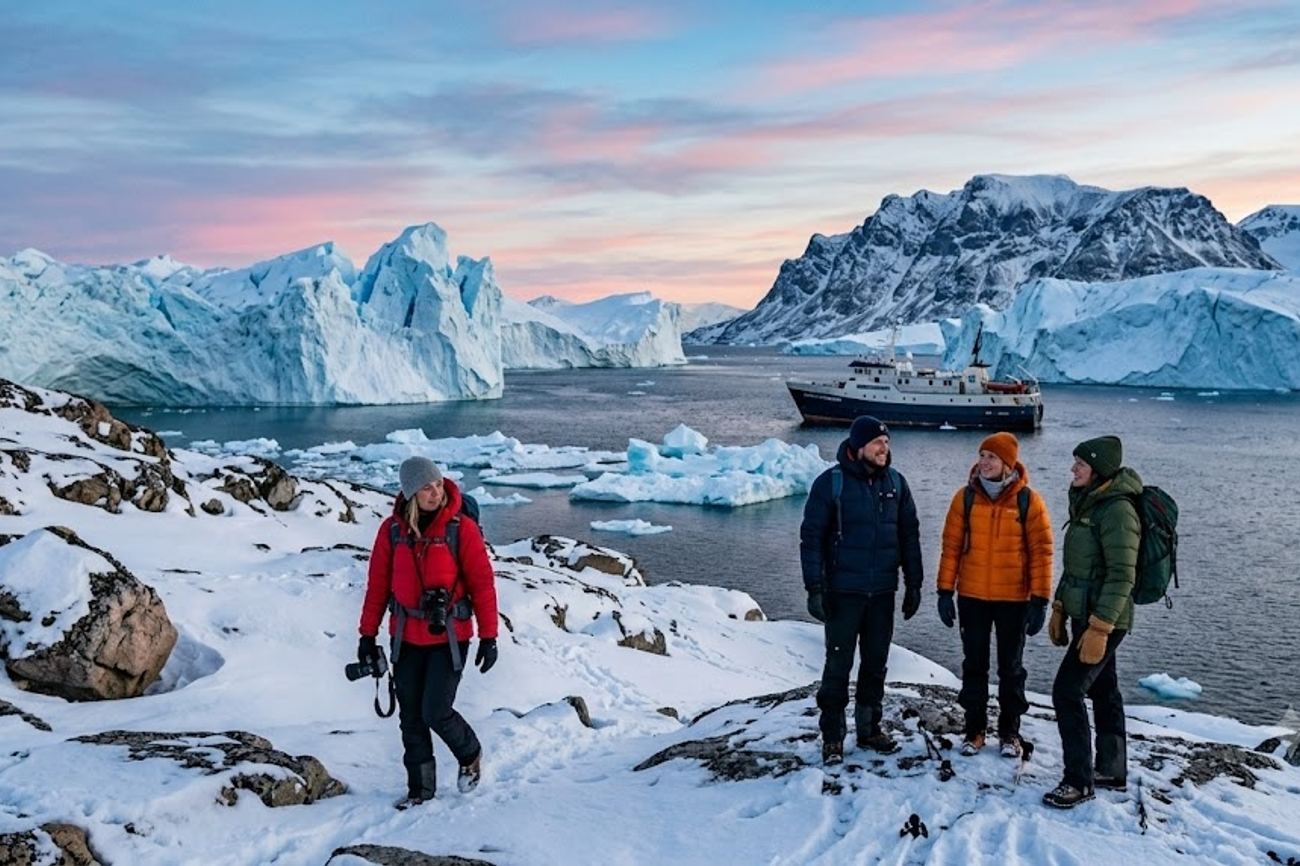
Image generated by AI
A family from Kuwait City prepares for a journey that is the polar opposite of their home environment, swapping the desert heat for the frozen landscapes of Finnish Lapland. This shift is not an isolated incident but part of a systemic change in travel behavior across the Gulf, where travelers from the UAE, Kuwait, Saudi Arabia, Qatar, and Oman are abandoning traditional sun-seeking holidays in favor of Arctic tourism and high-altitude skiing.
The Shift to Climate Contrast Tourism: Gulf Markets Move North
A significant transformation is occurring within the winter tourism sector of the Middle East. Historically, travelers from the Gulf Cooperation Council (GCC) countries prioritized exotic beaches and warm-weather retreats. However, current data indicates a dramatic pivot toward "climate contrast tourism," where the primary draw is the extreme difference between the arid heat of the Gulf and the frozen environments of the Arctic and Alpine regions.
This trend is driven by a desire for "once-in-a-lifetime" experiences over traditional relaxation. The UAE is currently the primary engine of this growth, with residents of Dubai and Abu Dhabi leading the surge toward Finland and Japan. Kuwait is following closely, with a growing preference for family-oriented winter breaks that combine luxury with outdoor adventure. Saudi Arabia and Qatar are also expanding their footprints in this sector, specifically targeting premium, high-spend luxury escapes in snowy mountains.
The destinations benefiting most from this shift include:
- Finland: Specifically the Lapland region, which has transitioned from a niche adventure spot to a luxury global market.
- Japan: Particularly Hokkaido, valued for its "powder snow" and cultural depth.
- Switzerland and France: Maintaining their status as the gold standard for luxury Alpine skiing.
- Georgia: Emerging as a more accessible, affordable alternative for snow-based tourism.
Affected Routes and Regional Interest Hubs
While this is a growth trend rather than a disruption, the surge in demand creates specific pressures on flight corridors and luxury accommodation availability. The following table outlines the specific interests and primary destinations for the key Middle Eastern markets:
| Middle East Market | Interest Level | Primary Winter Experiences & Destinations |
|---|---|---|
| UAE | Very High | Finland (Northern Lights), Japan (Skiing), European Alps |
| Kuwait | Growing Fast | Finland, Switzerland, France, Austria, Georgia |
| Saudi Arabia | Expanding | Luxury ski resorts and premium snow experiences |
| Qatar | Strong Premium | Luxury mountain holidays and Arctic journeys |
| Oman | Emerging | Nature-based winter travel and adventure |
The most heavily utilized routes for this trend currently connect major hubs like DXB (Dubai), AUH (Abu Dhabi), and KWI (Kuwait City) to HEL (Helsinki), ZRH (Zurich), GVA (Geneva), and NRT/HND (Tokyo).
Your Rights as a Passenger: Navigating Winter Disruptions
Traveling to Arctic and Alpine regions during peak winter months carries a high risk of weather-related disruptions. Because many Gulf travelers are utilizing European carriers or departing from European hubs, they fall under specific legal protections.
EU Regulation 261/2004 and UK CAA Guidelines If you are flying from an EU or UK airport, or flying into the EU/UK on an EU/UK-based airline (such as Finnair or Air France), you are protected by EU261/2004. In the event of a cancellation or a delay of more than three hours:
- Compensation: You may be entitled to up to €600 per person for flights exceeding 3,500 km (which includes almost all Gulf-to-Arctic routes) if the disruption was within the airline's control.
- Right to Care: Airlines must provide meals, refreshments, and hotel accommodation if you are stranded overnight.
- Refunds vs. Rebooking: You have the legal right to choose between a full refund of the ticket or an alternative flight to your destination at the earliest opportunity.
US DOT Rules (For Transit via USA) For travelers routing through US hubs to reach Japan or Europe, the US Department of Transportation mandates that passengers are entitled to a full refund if the airline cancels a flight and the passenger chooses not to travel on the alternative offered.
DGCA India and Other Regional Rules For those connecting through Indian hubs, the DGCA provides specific guidelines on compensation and amenities for flight delays, though these are generally less stringent than the EU framework. To track your flight status in real-time and avoid airport congestion during winter storms, utilize FlightAware or Flightradar24.
Rebooking Strategy and Alternatives
When winter weather shuts down a primary hub like Helsinki (HEL) or Geneva (GVA), passengers often find themselves stranded. To avoid prolonged delays, consider these strategic alternatives:
1. The Hub-Swap Strategy If flights to Lapland via Helsinki are grounded, check for availability via Oslo (OSL) or Stockholm (ARN). Many Arctic destinations in Finland and Norway are accessible via ground transport (trains or buses) from these alternative Nordic hubs.
2. Competitor Airline Pivots If your primary carrier is facing systemic issues, look for "Interline" agreements. For example, if a flight to Switzerland is cancelled, check if the airline can rebook you on a partner carrier. If not, you may be better off requesting a full refund under EU261 and booking a separate ticket on a competitor.
3. The Japan Alternative For those seeking snow but facing European chaos, Japan's Hokkaido region offers a different weather system. While Europe faces Atlantic storms, Japan's winter patterns differ. If your European booking is cancelled and you have the flexibility, shifting your destination to Japan can ensure your winter experience remains intact.
4. Refund vs. Rebooking Trade-off In peak season, rebooking can be expensive. If the airline offers a voucher, be cautious. Under EU/UK law, you are entitled to cash. If the alternative flight offered is more than a few hours later than your original, it is often more beneficial to take the cash refund and book a private charter or a different airline through a platform like AirHelp to manage the claim.
FAQ: Arctic Tourism & Passenger Rights 2024
Am I entitled to compensation if my flight to Finland is cancelled due to snow? Not necessarily. Under EU261, "extraordinary circumstances" (like severe weather) exempt airlines from paying cash compensation. However, they MUST still provide "duty of care" (hotels and meals) and a choice between a refund or rebooking.
Can I get a full refund if I decide not to travel after a delay? Yes. If your flight is cancelled or delayed by more than five hours, you are legally entitled to a full refund of the unused portion of your ticket, regardless of whether the delay was caused by weather.
What are the best alternative routes to the Arctic if Helsinki is closed? Try flying into Oslo (OSL) or Stockholm (ARN) and utilizing the extensive rail networks or regional flights to reach Northern Finland or Norway.
Do luxury travel packages include flight disruption insurance? Many high-end packages for Gulf travelers include "all-inclusive" protections, but these are contractual, not legal. Always verify if your package includes "Trip Interruption Insurance" to cover non-refundable hotel costs in Lapland or the Alps.
Stay informed, know your legal standing, and ensure your winter escape doesn't become a legal battle.
#FinlandTourism #EU261 #GulfTravelers #ArcticTourism #FlightCompensation #WinterTravel2024
Related Travel Guides
Disclaimer
This article is for informational and educational purposes only. It does not constitute legal, financial, or professional advice. While we strive to provide accurate and up-to-date information, travel policies, regulations, and conditions change rapidly. Always verify information with official sources before making travel decisions. Nomad Lawyer makes no representations about the accuracy, reliability, completeness, or suitability of the information provided. Readers should consult qualified professionals for advice specific to their circumstances. The views expressed in this article are those of the author and do not necessarily reflect the views of Nomad Lawyer.
Naina Thakur
Contributor & Travel Specialist
Travel enthusiast and legal writer covering visa regulations, responsible tourism, and cultural journeys across global destinations.
Learn more about our team →