
United Kingdom and European Markets Drive Zimbabwe's 2026 Tourism Surge
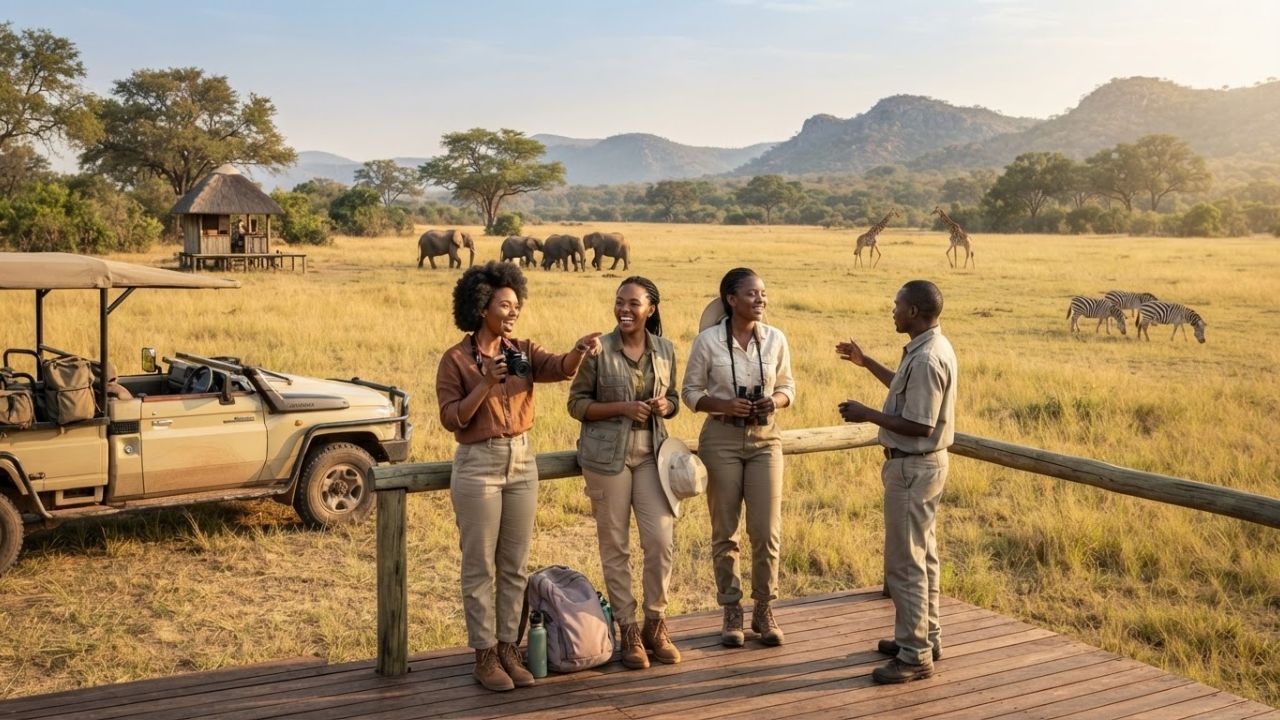
Image generated by AI
Zimbabwe welcomed 384,515 international visitors in the first quarter of 2026—an 11% increase that pushed tourism receipts to US$251 million as European travelers returned in force to the country's legendary safari reserves and wilderness areas. Led by an 89% surge in travelers from the United Kingdom and Ireland, this influx marks a major structural shift toward higher-value nature-based tourism.
This recovery demonstrates a strong rebound across both regional and international markets. The surge in long-haul arrivals from Europe highlights a growing global interest in Zimbabwe's protected wildlife areas, heritage attractions, and eco-tourism initiatives, helping the country rebuild its travel economy and establish itself as a premier sustainable destination in Southern Africa.
The Local Trend: Europe's Return to the Zambezi
The Zimbabwe Tourism Authority (ZTA) reports a major shift in visitor demographics during the opening months of 2026. While regional African travelers remain the foundational base for the sector—contributing 287,062 arrivals in the first quarter, representing a 9% year-on-year increase and roughly three-quarters of all inbound volume—long-haul international markets are expanding at a faster pace.
Europe led this overseas expansion, delivering 37,824 arrivals during the first quarter of 2026, representing a 23% increase compared with the 34,755 arrivals recorded during the same period in 2025. This double-digit growth from high-spending markets has directly contributed to a 14% rise in total tourism receipts, generating US$251 million in revenue compared to US$221 million in the previous year's first quarter. Other international regions also recorded positive trends: Asian arrivals rose by 26% to reach 25,334 visitors, while the Middle East and Oceania recorded increases of 19% and 17% respectively.
This diversification is vital for the long-term health of the sector. Because long-haul visitors generally stay longer and spend more per trip on guided safaris, boutique lodging, and regional flights, their return is injecting vital foreign currency directly into the local hospitality ecosystem.
High-Value Safaris and the British-German-French Connection
The United Kingdom and Ireland have solidified their position as the leading European source markets for Zimbabwe, contributing 13,575 visitors in the first quarter of 2026. This represents an 89% year-on-year surge, driven by historical cultural connections, improved flight availability, and a growing interest in low-impact wilderness exploration. British travelers historically prioritize the country's premier wildlife areas, particularly Victoria Falls, Hwange National Park, and the rugged environments of Mana Pools.
Germany and France are also showing increased interest, with travelers seeking immersive nature-based experiences and cultural heritage tourism. German visitors traditionally seek wildlife conservation programs and active outdoor adventures, making Zimbabwe’s national parks highly appealing. Meanwhile, the French market focuses on cultural discovery, luxury eco-lodges, and UNESCO-listed heritage destinations.
To capitalize on these trends, local operators are adapting their offerings to meet the high standards of these European markets, focusing on small-group travel, expert guiding, and premium conservation-themed itineraries that showcase the region's biodiversity.
Protecting Biodiversity Through Low-Impact Tourism
For the visitor, the real impact of this tourism rebound goes far beyond rising arrival numbers. It directly funds the preservation of Zimbabwe's unique ecosystems. The National Parks and Wildlife Management Authority (ZimParks) manages approximately 13% of the country’s land area, including parks, recreational areas, and botanical reserves. This organization relies on park entry fees, conservation levies, and guiding licenses to fund anti-poaching patrols, wildlife research, and habitat restoration programs.
An influx of high-value international travelers ensures that conservation agencies have the financial resources required to protect vulnerable species like the black rhino, painted dogs, and the continent's second-largest elephant population. When tourists book a conservation-minded safari, their spending supports rangers on the ground and helps mitigate human-wildlife conflict in buffer zones surrounding the parks.
Similarly, cultural heritage conservation receives support from visitor growth. The National Museums and Monuments of Zimbabwe (NMMZ) utilizes revenues from heritage tourism to maintain and protect archaeological sites, including the ancient stone structures of Great Zimbabwe and the Khami Monument. This symbiotic relationship between tourism revenue and heritage protection ensures that the country's historical legacy remains preserved for future generations.
Community-Led Conservation and Regional Economies
A key pillar of Zimbabwe's modern tourism strategy is community-based tourism (CBT), which aims to ensure that rural populations living near wildlife reserves benefit directly from tourism. Historically, communities bordering national parks faced the costs of wildlife damage to crops and livestock without receiving a share of the tourism economy. Today, collaborative partnerships between private lodge operators, local councils, and communities are changing this dynamic.
High-end eco-lodges often hire staff from neighboring villages, source fresh produce from local cooperative farms, and invest in clean water, education, and healthcare infrastructure. When travelers participate in community-guided walks or visit local craft markets, their spending goes directly to artisans, guides, and family-owned businesses.
This local economic support fosters a positive relationship with conservation. When communities see tangible benefits from wildlife tourism, they are more likely to support anti-poaching efforts and protect natural habitats. Sustainable tourism acts as an alternative economic driver, reducing reliance on charcoal production, slash-and-burn agriculture, and subsistence poaching.
Traditional Dining: Staple Grains and Lake Kariba Delicacies
A trip to Zimbabwe is incomplete without experiencing its traditional culinary heritage, which reflects the country's agricultural roots and natural resources.
- Sadza: The centerpiece of every Zimbabwean meal, this thick porridge made from ground white maize is traditionally eaten by hand, shaped into a small ball, and dipped into savory side dishes.
- Muriwo une Dovi: A popular side dish featuring leafy green vegetables simmered in a rich, velvety peanut butter sauce, offering a savory and creamy flavor profile.
- Dovi: A traditional stew made with ground peanuts, fresh vegetables, and slow-cooked meat such as chicken, goat, or beef.
- Kapenta: Tiny, sardine-like fish harvested from Lake Kariba, dried in the sun, and then shallow-fried with tomatoes, onions, and spices to create a crispy, flavorful dish.
- Mopane Worms (Amacimbi): Harvested from mopane trees, these caterpillars are boiled, sun-dried, and then fried with tomatoes and onions. They are a nutritious, high-protein local delicacy.
- Nyama Braai: A social gathering centered around barbecued meats, where beef, pork, and "road runner" chicken are grilled over hot coals and enjoyed with sadza and cold drinks.
Visitor Insider Tips: Navigating Zimbabwe
To ensure a smooth and rewarding trip to Zimbabwe, consider the following practical travel tips:
- Currency Strategy: US Dollars (USD) are the most reliable currency for international travelers. Bring clean, unblemished bills printed after 2013, focusing on smaller denominations ($1, $5, $10, $20) for tipping, market purchases, and entry fees. ATMs are often unreliable, and credit card terminals can experience network drops.
- Seasonal Planning: The dry winter season (May to October) is the optimal time for wildlife viewing, as animals gather around waterholes in Hwange and Mana Pools. The wet summer season (November to April) is excellent for birdwatching and viewing Victoria Falls at high water levels, though malaria risk is higher during this period.
- Regional Transit: If you plan to visit Victoria Falls and cross into neighboring Zambia or take a day trip to Chobe National Park in Botswana, purchase a KAZA Univisa. Available at major border posts for US$50, this visa allows unlimited travel between Zimbabwe and Zambia for up to 30 days.
- Road Safety: Avoid driving outside major towns after dark due to limited road lighting, potholes, and animals walking on the roads. For long-distance travel, book transfers with reputable tour operators.
- Cultural Etiquette: Always carry a photocopy of your passport and visa. Avoid photographing government buildings, military sites, police checkpoints, or public infrastructure.
Outlook: The Future of Zimbabwe's Sustainable Travel Sector
The positive Q1 performance indicates that Zimbabwe's travel sector is on a strong path to recovery, driven by diverse international markets and a growing appreciation for nature-based experiences. To maintain this momentum, the ZTA and private operators are focusing on expanding direct flight connections from Europe, improving domestic transport networks, and upgrading hospitality infrastructure.
By balancing visitor growth with conservation and community development, Zimbabwe is establishing itself as a resilient and forward-thinking destination. The focus on low-impact, high-value tourism ensures that the country's natural assets remain protected, providing a sustainable source of income for local communities and a memorable experience for global travelers.
Related Travel Guides
Disclaimer
This article is for informational and educational purposes only. It does not constitute legal, financial, or professional advice. While we strive to provide accurate and up-to-date information, travel policies, regulations, and conditions change rapidly. Always verify information with official sources before making travel decisions. Nomad Lawyer makes no representations about the accuracy, reliability, completeness, or suitability of the information provided. Readers should consult qualified professionals for advice specific to their circumstances. The views expressed in this article are those of the author and do not necessarily reflect the views of Nomad Lawyer.