
Mexico Insect Gastronomy Paired with DO Rueda Verdejo Wines
Chef Carlos Montejo of Chaká is pairing ancestral Mexican insect ingredients with Spanish Rueda Verdejo wines, attracting culinary tourists.

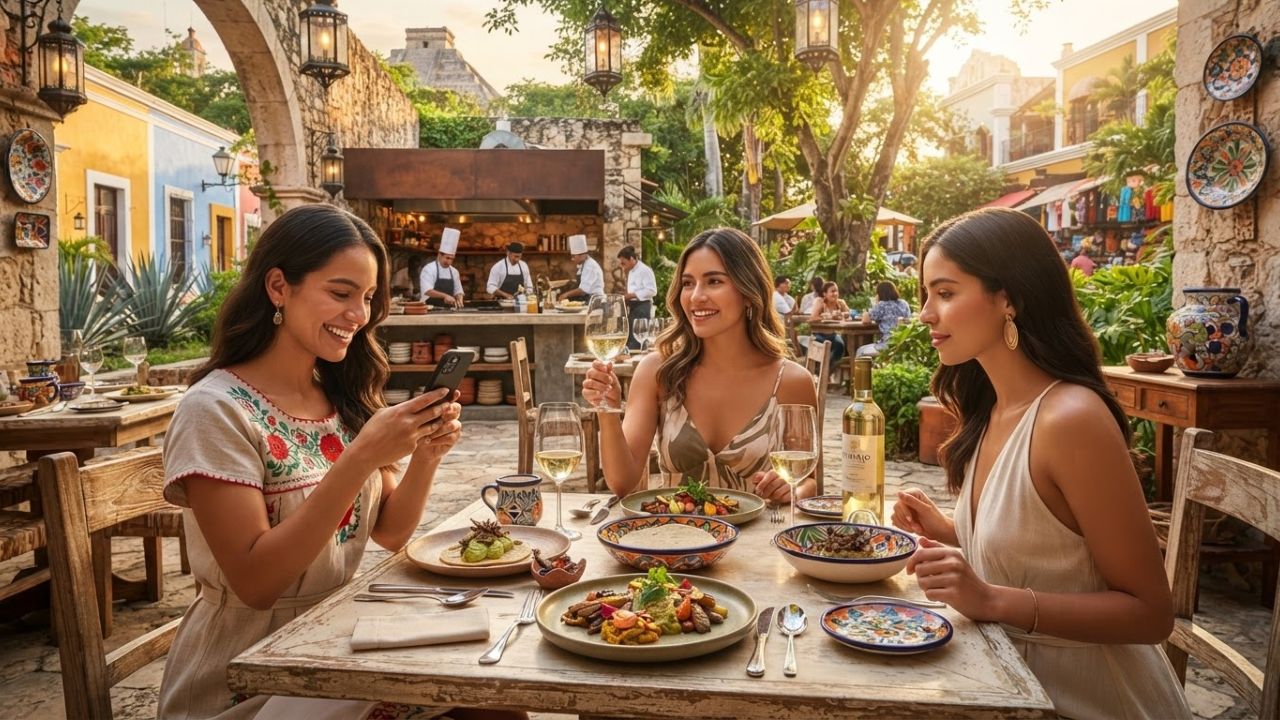
Image generated by AI
Chef Carlos Montejo of Chaká is pairing ancestral Mexican insect ingredients with Spanish Rueda Verdejo wines, creating a unique cross-cultural experience for culinary travelers. The tasting menu highlights the growing role of sustainable ecotourism and heritage food traditions in attracting international visitors.
Mexico Ancestral Food and Wine Tourism
Our analysis of culinary travel trends indicates that Mexico's gastronomy sector is evolving through experiences that blend indigenous traditions with international wine pairings. Chef Carlos Montejo of Chaká has introduced a tasting menu that pairs a taco de lengua with a purée of cocopaches and a pumpkin seed-based sikil pak made with chapulines. This combination reinterprets centuries-old ingredients for modern travelers while maintaining cultural authenticity.
To complement these complex flavors, the menu features two white wines from Spain's Denomination of Origin (DO) Rueda: Finca Tres Olmos Verdejo Sobre Lías 2024 and Prado Vega Verdejo Sobre Lías 2025. The pairing highlights a growing collaboration between international wine producers and local food tourism boards. This cross-cultural dialogue appeals to premium culinary travelers and cultural explorers seeking experience-driven journeys.
Gastronomy Elements & Tourism Trends
The tasting menu relies on local biodiversity and sustainable sourcing, aligning with modern traveler preferences:
- Taco de Lengua with Insect Puree: Pairs slow-cooked beef tongue with a purée of seasonal cocopaches, showcasing regional Mexican culinary techniques.
- Sikil Pak de Chapulines: Features a traditional pumpkin seed paste enhanced with edible grasshoppers, highlighting indigenous protein sources.
- Finca Tres Olmos Verdejo 2024: Contributes acidity and a subtle bitterness that balances the richness of the beef tongue and insects.
- Prado Vega Verdejo 2025: Offers floral aromas and mature tannins that add elegance and structure to the overall tasting experience.
Flight & Airport Operational Impact
The expansion of culinary tourism is generating increased passenger traffic to Mexican destinations and driving cargo logistics:
- Gateway Arrivals: Airports including Mexico City International (MEX) and Manuel Crescencio Rejón International in Mérida (MID) are recording growth in international arrivals for food tours.
- Air Cargo Shipments: The import of specialized European wines like DO Rueda Verdejo highlights a growing air cargo channel supporting local luxury hospitality.
- Regional Connectivity: Direct flight corridors enable international food travelers to bypass major resort areas and connect straight to cultural hubs in Yucatan and Oaxaca.
Passenger Rights & Advisory (Information Gain & Experience)
For the international traveler booking a specialized culinary tour, a flight delay can disrupt non-refundable dining reservations. Our analysis of passenger protections suggests travelers understand their options under local civil aviation rules:
- Mexican Civil Aviation Delay Rights: Under Mexico's Federal Consumer Protection Law (Profeco), if a flight is delayed by more than four hours or cancelled, passengers are entitled to a full ticket refund or rebooking, plus compensation of at least 25% of the ticket cost.
- Consequential Experience Losses: Airlines are not legally responsible for missed restaurant reservations, tasting tickets, or tour bookings due to operational flight delays.
- Special Event Insurance Protections: Culinary travelers should verify if their travel insurance features trip interruption coverage, which covers non-refundable prepaid dinner bookings if a flight delay exceeds six hours.
Industry Analyst View
The integration of edible insects into high-end gastronomy highlights how destination marketing is shifting toward ecological sustainability. Insects like chapulines and cocopaches require significantly less water and land than traditional livestock, appealing to environmentally conscious travelers.
Additionally, pairing these ancestral ingredients with recognized Spanish Verdejo wines elevates the culinary profile of indigenous foods. By presenting traditional ingredients in a sophisticated fine-dining context, local chefs can support small-scale agricultural producers in rural communities. This helps retain tourism capital within the region, creating sustainable economic opportunities for local populations.
Related Travel Guides
Disclaimer
This article is for informational and educational purposes only. It does not constitute legal, financial, or professional advice. While we strive to provide accurate and up-to-date information, travel policies, regulations, and conditions change rapidly. Always verify information with official sources before making travel decisions. Nomad Lawyer makes no representations about the accuracy, reliability, completeness, or suitability of the information provided. Readers should consult qualified professionals for advice specific to their circumstances. The views expressed in this article are those of the author and do not necessarily reflect the views of Nomad Lawyer.
Kunal K Choudhary
Co-Founder & Contributor
A passionate traveller and tech enthusiast. Kunal contributes to the vision and growth of Nomad Lawyer, bringing fresh perspectives and driving the community forward.
Learn more about our team →