
Yucatan Teams Up With Oaxaca and More as Underrated Community Tourism Destinations of Mexico Enter the Global Travel Spotlight
Yucatan Teams Up With Oaxaca and More as Underrated Community Tourism Destinations of Mexico Enter the Global Travel Spotlight

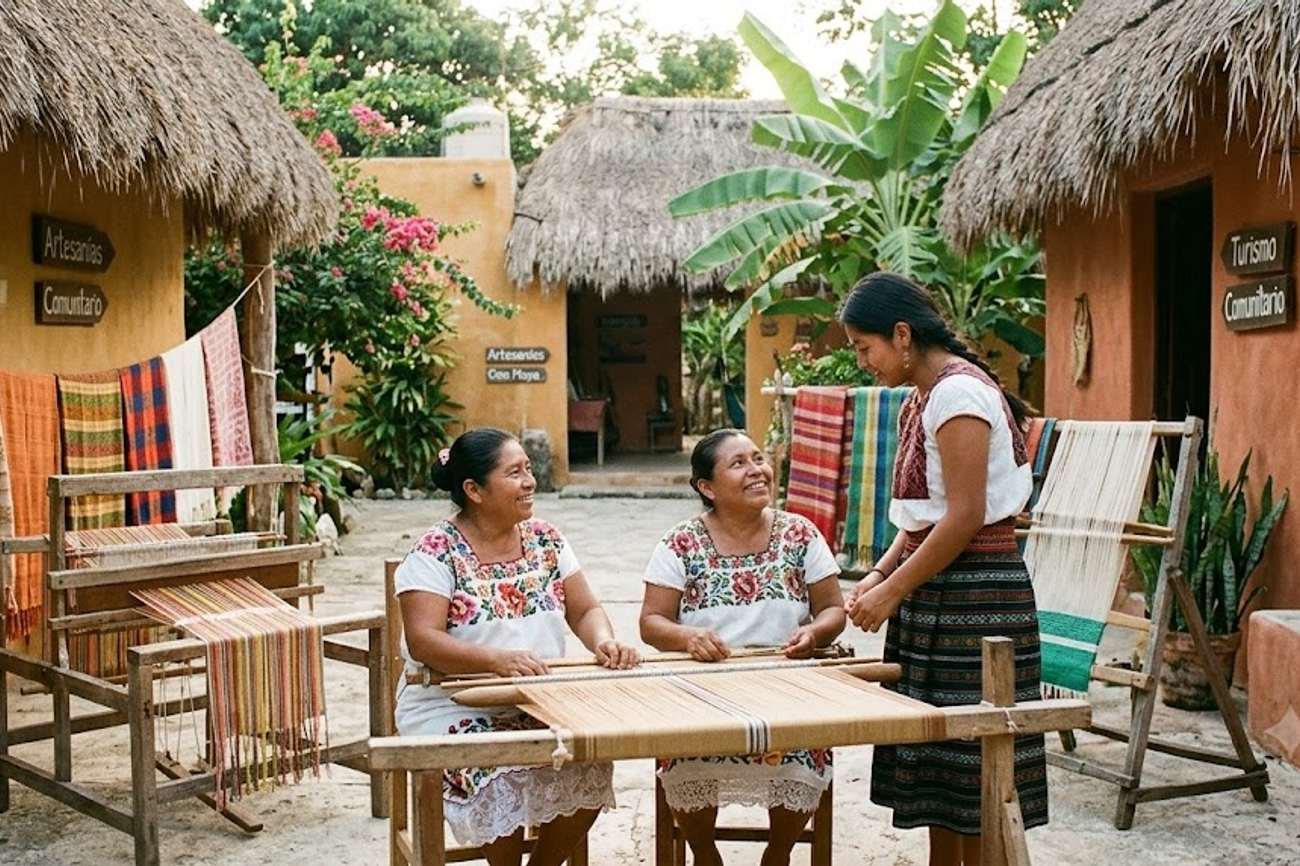
Image generated by AI
International visitor arrivals in Mexico reached 10,132,885 in December 2025, yet hotel occupancy in the Maya Ka’an community zone for September 2025 sat at 32.0%—a slight decline from 33.5% in September 2024. This disparity highlights a massive structural gap between the high-volume resort corridors of the Caribbean coast and the emerging community-led tourism models that the federal government is now formalizing to redistribute wealth and foot traffic.
The Community Tourism Pivot in Numbers
The Mexican federal government has transitioned from passive promotion to active structural designation by identifying Maya Ka’an, Camino del Mayab, and Pueblos Mancomunados as the first three formal Community Tourism Destinations. This is not merely a branding exercise but a logistical expansion involving over 78 communities and a network of tourism trails exceeding 220 kilometres.
The scale of these initiatives is best exemplified by Maya Ka’an in Quintana Roo. Spanning 1,553,289.17 hectares with a resident population of 61,072, the region has integrated 76 communities offering 90 distinct experiences. These range from astronomy and traditional medicine to cave exploration and wildlife observation. A critical indicator of the socio-economic shift here is the emergence of 17 women-led commercial enterprises, signaling a move toward gender-inclusive economic development within Indigenous frameworks.
Beyond Quintana Roo, the government is deploying targeted capital to stabilize these markets. In Oaxaca, a 25-million-peso investment has been announced for 2026 to strengthen infrastructure within the Pueblos Mancomunados. Simultaneously, the barrier to entry for local professionals has been decimated; guide certification costs, previously as high as 60,000 pesos, have been reduced to 2,000 pesos through a strategic partnership with the Tecnológico Nacional de México.
Comparative Market Analysis: Community vs. Mass Tourism
When comparing the community tourism sector to the broader national travel market, the data reveals a "slow travel" trajectory. While Mexico saw 5,218,693 overnight international tourists in December 2025, the occupancy rates in community hubs like Maya Ka’an remain modest. This suggests that these destinations are currently operating as "niche" offsets to the saturated resort belts.
The growth of officially recognized providers across different states shows a fragmented but expanding landscape. By 2026, Yucatan is projected to have 61 officially recognized community providers, while Chiapas recognized 20 projects as of July 2026. Veracruz remains a heavyweight in this sector with 63 community experiences nationally selected and recognized by both the Mexican government and UNESCO.
| Metric/Region | Maya Ka’an (Quintana Roo) | Pueblos Mancomunados (Oaxaca) | Yucatan State | Chiapas (July 2026) | Veracruz |
|---|---|---|---|---|---|
| Scale/Reach | 76 Communities | 8 Communities | 61 Recognized Providers | 20 Recognized Projects | 63 Selected Experiences |
| Key Asset | 1.55M Hectares | Sierra Juárez Mountains | Community Distinctions | Indigenous Projects | UNESCO-recognized sites |
| Investment/Cost | 17 Women-led firms | MXN 25M (2026 Invest) | N/A | N/A | N/A |
| Recent Occupancy | 32.0% (Sept 2025) | N/A | N/A | N/A | N/A |
This distribution indicates that while Veracruz and Yucatan have a higher volume of "recognized" providers, the federal government is focusing its deepest infrastructure investments on the "Destination" models like those in Oaxaca. According to UNWTO, this shift toward community-based tourism is a global trend aimed at reducing "overtourism" in primary hubs and spreading economic benefits to rural peripheries.
What This Means for Travelers
For the individual traveler, the data suggests a window of opportunity to visit these regions before the infrastructure investments of 2026 trigger a surge in demand and pricing. The current low occupancy rates—such as the 32.0% seen in Maya Ka’an—mean that travelers can expect high levels of authenticity and personalized interaction with local guides.
Actionable Booking Strategies:
- Leverage New Infrastructure: The integration of Maya Ka’an with the Tulum Airport and Tren Maya stations (specifically the Tulum and Felipe Carrillo Puerto stops) makes these remote areas accessible without the need for expensive private transfers.
- Timing Your Visit: With August 2025 occupancy at 36.7% and September at 32.0%, the late Q3 window offers a balance of manageable weather and low crowds.
- Certification Confidence: The drastic reduction in guide certification costs (from 60,000 to 2,000 pesos) means there is a surge of newly certified, professionally trained local guides. Travelers should prioritize "certified" community guides to ensure safety and historical accuracy.
- Itinerary Planning: Based on the geographic scale of Maya Ka’an, a 3-to-4-day "slow travel" itinerary is recommended, focusing on Felipe Carrillo Puerto and Tihosuco as primary bases.
Forward Projection: The 2026 Shift
Based on the current trajectory, we are seeing the "formalization" of the informal economy. The move from generic "community tours" to "Federal Community Tourism Destinations" suggests that Mexico is attempting to create a standardized quality tier for rural travel.
The 25-million-peso investment in Oaxaca for 2026 is a leading indicator. When infrastructure (roads, signage, lodging) improves, occupancy rates typically follow a steep upward curve. We can expect the 32-36% occupancy range seen in Quintana Roo's community zones to climb as the Tren Maya fully integrates these rural nodes into the primary tourist flow.
Furthermore, the alignment with IATA standards for regional connectivity and the continued recognition of sites by UNESCO in Veracruz suggest that Mexico is positioning community tourism not as a budget alternative, but as a premium "cultural luxury" product. The growth of women-led enterprises in Maya Ka’an also indicates that the social fabric of these destinations is evolving, which will likely lead to more diverse culinary and craft offerings by 2027.
FAQ: Mexico Community Tourism 2026
Will prices increase in community destinations? Yes. With the MXN 25 million investment in Oaxaca and the integration of the Tren Maya, accessibility will increase, likely driving up the cost of community-led lodging and guided experiences by 2026.
Is it safe to visit these remote communities? The federal government's formalization of these destinations and the certification of guides through Tecnológico Nacional de México provide a layer of official oversight and safety standardization not present in previous years.
Which region offers the most variety? Veracruz and Maya Ka’an lead in variety. Maya Ka’an offers 90 experiences including astronomy and traditional medicine, while Veracruz boasts 63 nationally and UNESCO-recognized experiences.
When is the best time to book? Current data shows a dip in occupancy in September (32.0%). Booking for the Q3 window allows travelers to experience these destinations before the 2026 infrastructure upgrades increase volume.
The shift from resort-centric travel to community-led exploration is no longer a niche preference—it is a state-funded economic strategy.
#MexicoCommunityTourism #MayaKaan #OaxacaInfrastructure2026 #IndigenousTourismData #QuintanaRooOccupancy #SustainableTravelMexico
Related Travel Guides
- Adirondacks Unites with Lake Placid and More US Destinations Earn Over 189 Billion USD from Tourism But Canadian Visitors are Ditching
- South America’s Boldest Travel Shift, How Smart Air Corridors And Data Frameworks Supercharge International Tourism Across Brazil
- Albania Follows Montenegro and More as Underrated European Holidays Tempt Tourists to Choose Hidden Gems Over Crowded Spanish Destinations
Disclaimer
This article is for informational and educational purposes only. It does not constitute legal, financial, or professional advice. While we strive to provide accurate and up-to-date information, travel policies, regulations, and conditions change rapidly. Always verify information with official sources before making travel decisions. Nomad Lawyer makes no representations about the accuracy, reliability, completeness, or suitability of the information provided. Readers should consult qualified professionals for advice specific to their circumstances. The views expressed in this article are those of the author and do not necessarily reflect the views of Nomad Lawyer.
Naina Thakur
Contributor & Travel Specialist
Travel enthusiast and legal writer covering visa regulations, responsible tourism, and cultural journeys across global destinations.
Learn more about our team →