
South America’s Boldest Travel Shift, How Smart Air Corridors And Data Frameworks Supercharge International Tourism Across Brazil
South America’s Boldest Travel Shift, How Smart Air Corridors And Data Frameworks Supercharge International Tourism Across Brazil

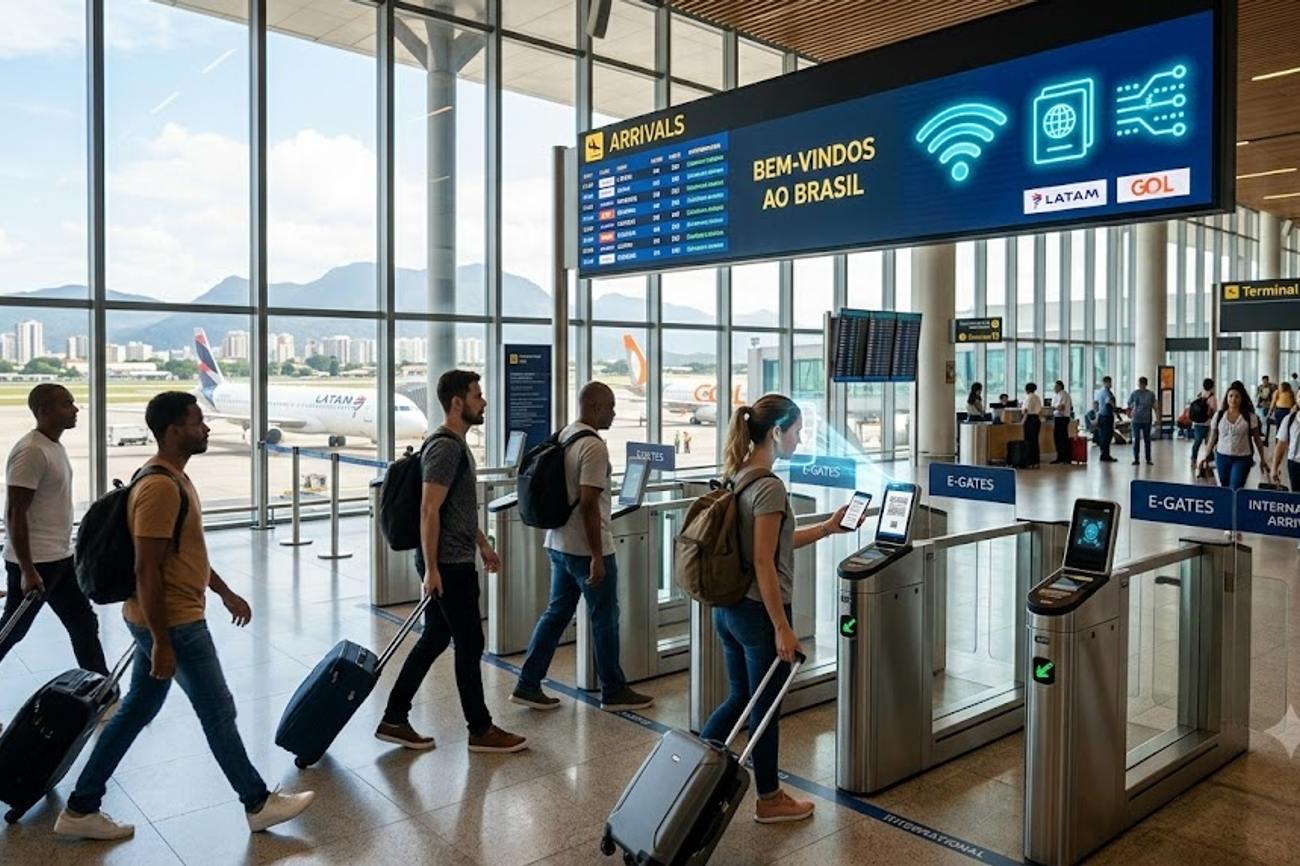
Image generated by AI
[Brasília, May 2024] — Brazil has shattered its federal international tourism targets by 34.6%, recording 9.28 million international arrivals against a projected baseline of 6.9 million. This surge is the direct result of a systemic pivot away from "sun-and-beach" marketing toward a high-yield strategy emphasizing bio-cultural diversity, environmental stewardship, and aggressive aviation expansion.
The growth is being driven by a dual-engine administrative framework. The Ministry of Tourism (MTur) manages internal policy and infrastructure, while Embratur, the Brazilian Agency for International Tourism Promotion, handles global branding. Together, these entities are transitioning the national image from a tropical caricature to a sophisticated destination for eco-conscious, high-spending travelers and long-stay nomads.
The Shift to Bio-Cultural Marketing
The immediate trigger for this growth is a deliberate rebranding effort that leverages "soft power" and climate leadership. Brazil is moving beyond the traditional icons of Rio de Janeiro's beaches and Carnival to promote the "heart and soul" of the country through three primary pillars:
- Ecological Stewardship: A pivot toward the Amazon basin (Amazonas and Pará), the Pantanal wetlands (Mato Grosso), the Cerrado savannah, and the karst river systems of Bonito (Mato Grosso do Sul).
- Afroturismo: The promotion of community-led tourism (Turismo de Base Comunitária) and Afro-Brazilian heritage in Bahia, Minas Gerais, and Rio de Janeiro.
- Sustainable Economics: A shift toward "deep travel" and innovative long-stay visas designed to ensure tourism revenue funds environmental conservation and local community development rather than just corporate resorts.
Markets and Routes Impacted
The current strategy targets specific geographic tiers to optimize return on marketing spend. While regional neighbors provide the volume, long-haul markets provide the yield.
| Market Tier | Primary Origin Countries | Strategic Focus |
|---|---|---|
| Primary Regional | Argentina (3.3M+ arrivals), Chile, Paraguay, Uruguay | High-volume, consistent flow |
| High-Yield Long-Haul | USA, European Union, UK | Eco-luxury, adventure, and cultural heritage |
| Niche Segments | Global | Gastronomy, birdwatching, LGBTQ+ tourism |
To support these markets, the government has launched the "Conexão Brasil" initiative. This program aims to break the historical bottleneck where nearly all international traffic flowed through São Paulo (GRU) and Rio de Janeiro (GIG). By co-funding marketing with carriers such as LATAM, TAP Air Portugal, Iberia, and American Airlines, Brazil is establishing direct international corridors into secondary hubs.
Key airports receiving modernization and increased international connectivity include:
- Manaus (MAO) - Gateway to the Amazon
- Belém (BEL) - Northern cultural hub
- Florianópolis (FLN) - Southern coastal access
- Salvador (SSA) - Hub for Afro-Brazilian tourism
What This Means for Travelers
For the modern traveler or digital nomad, Brazil's policy shift represents a fundamental change in how the country is accessed and experienced.
Simplified Entry and Longer Stays The push for "transformational travel" includes the introduction of innovative long-stay visas. This means travelers are no longer encouraged to simply visit for a week, but to integrate into local communities, particularly in eco-regions.
Diversified Transit Options The "Conexão Brasil" program means fewer grueling domestic layovers. Travelers can now find more direct routes into the interior and northern regions, reducing the reliance on the congested São Paulo and Rio hubs. If you are booking a trip to the Amazon or the Pantanal, check for direct entries into Manaus or Belém rather than routing through the southeast.
Authentic, Community-Led Experiences The rise of "Turismo de Base Comunitária" means a shift in lodging and activity options. Travelers will find more vetted, community-run lodges and tours in Bahia and Minas Gerais that offer direct economic benefits to the hosts, moving away from the "all-inclusive" resort model.
Data-Driven Destination Planning Through the "Destinos Turísticos Inteligentes" (DTI Brasil) framework, the government is using real-time mobile and transaction data to improve visitor flow. For the passenger, this translates to better-managed tourist sites, reduced overcrowding at "icon" locations, and more curated recommendations for secondary destinations.
The Infrastructure Roadmap
The federal government's "Plano Nacional de Turismo (PNT 2024–2027)" outlines a trajectory of sustainable expansion. The goal is to convert natural capital into long-term prosperity without compromising the fragile biomes.
The next phase of the strategy focuses on "Smart Destinations." By integrating global distribution system (GDS) flight bookings and mobile movement patterns, MTur is creating a feedback loop to adjust infrastructure investment in real-time. This ensures that if a specific eco-region in Mato Grosso do Sul sees a spike in interest, airport and road capacity can be scaled accordingly.
Additionally, the "Conheça o Brasil" domestic stimulus is being utilized to stabilize the hospitality sector. By encouraging Brazilians to travel within their own borders during international off-peaks, the government is ensuring that hotels and tour operators in remote regions remain solvent year-round, rather than relying solely on the December-February international peak.
FAQ: Brazil Travel 2024
How do I find flights to regions outside of Rio or São Paulo? Check for "Conexão Brasil" partnered airlines like LATAM or TAP Air Portugal. Look for direct international arrivals into Manaus (MAO), Belém (BEL), or Salvador (SSA) to bypass major hubs.
What is "Afroturismo" and where should I go? It is a community-led tourism movement focusing on Afro-Brazilian history and culture. The primary hubs for these experiences are located in the state of Bahia and parts of Minas Gerais.
Are there special visas for long-term stays in Brazil? Yes, Brazil is currently promoting innovative long-stay visas to encourage "deep travel" and economic contribution to local communities. Consult the official Brazilian consulate for the latest digital nomad or long-term residency requirements.
Is eco-tourism in the Amazon sustainable? The current PNT 2024–2027 framework mandates that international tourism revenue directly funds environmental conservation. Opt for "Turismo de Base Comunitária" to ensure your spending supports local guardians of the forest.
Brazil is no longer just a postcard of beaches; it is a blueprint for the future of sustainable global movement.
#BrazilTourism2024 #ConexaoBrasil #Embratur #AmazonEcoTravel #SouthAmericaAviation #MTur
Related Travel Guides
- Albania Follows Montenegro and More as Underrated European Holidays Tempt Tourists to Choose Hidden Gems Over Crowded Spanish Destinations
- New Zealand Unveils Short-Term Graduate Work Visa Opening November 16, 2026
- Australia Coincide Canada, UAE and Others Lead Global MICE Growth Through Events, Sustainability and Infrastructure
Disclaimer
This article is for informational and educational purposes only. It does not constitute legal, financial, or professional advice. While we strive to provide accurate and up-to-date information, travel policies, regulations, and conditions change rapidly. Always verify information with official sources before making travel decisions. Nomad Lawyer makes no representations about the accuracy, reliability, completeness, or suitability of the information provided. Readers should consult qualified professionals for advice specific to their circumstances. The views expressed in this article are those of the author and do not necessarily reflect the views of Nomad Lawyer.
Naina Thakur
Contributor & Travel Specialist
Travel enthusiast and legal writer covering visa regulations, responsible tourism, and cultural journeys across global destinations.
Learn more about our team →