
New Zealand Unveils Short-Term Graduate Work Visa Opening November 16, 2026
New Zealand Unveils Short-Term Graduate Work Visa Opening November 16, 2026

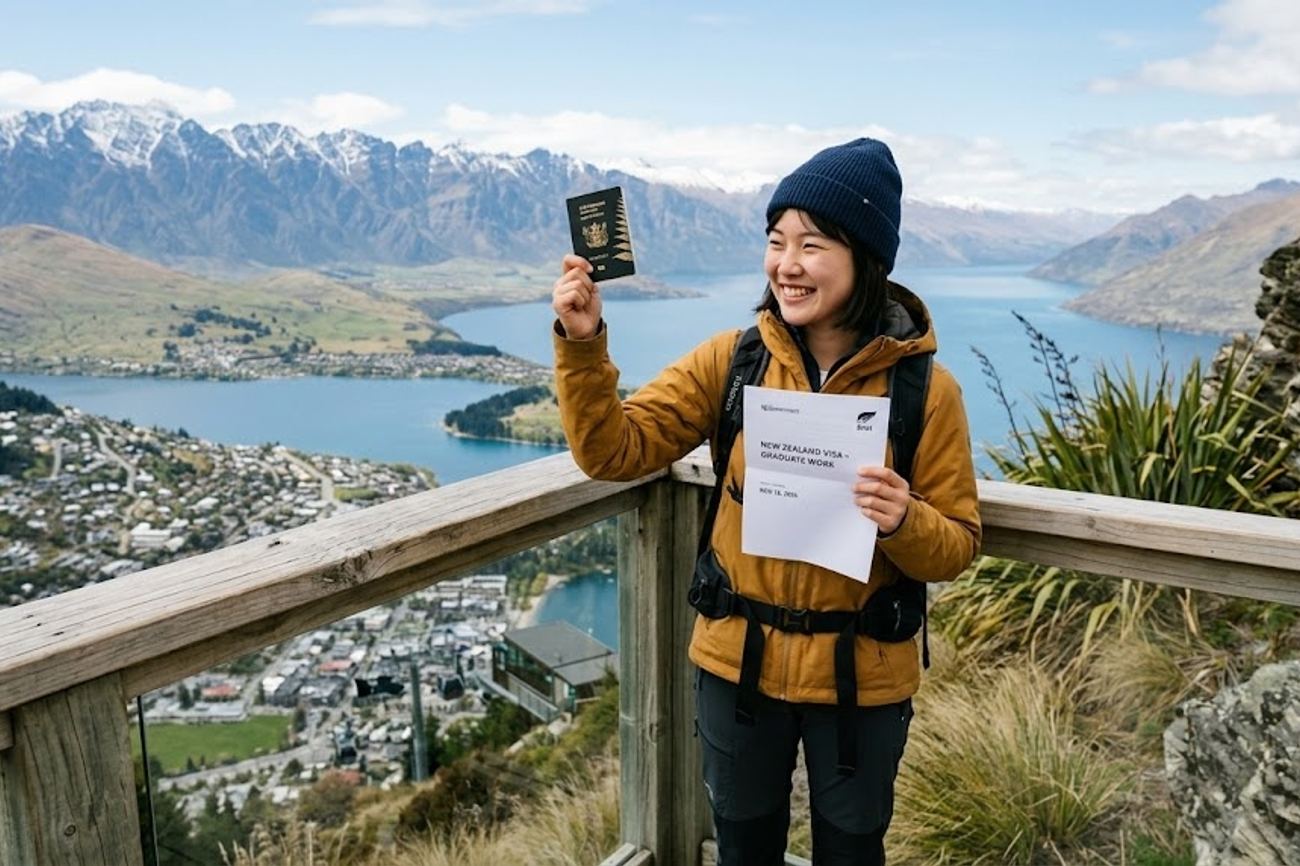
Image generated by AI
title: New Zealand Short-Term Graduate Work Visa: Legal Guide for International Alumni date: 2026-09-15 category: Immigration Advisory tags: [Immigration New Zealand, NZQCF, Post-Study Work Visa, Short-Term Graduate Work Visa, NZ-Student-Visa-2026]
An international student finishing a Level 6 diploma in Auckland now faces a stark choice: apply for a new six-month bridge to find work or risk immediate departure because their qualification doesn't trigger a multi-year residency path. This scenario is the new reality following the September 10, 2026, announcement by Immigration New Zealand (INZ) regarding a fundamental shift in how graduates transition from study to employment.
The Introduction of the Short-Term Graduate Work Visa
On September 10, 2026, Immigration New Zealand formally unveiled a new immigration mechanism designed to fill the gap for international scholars who do not qualify for long-term residency pathways. This "Short-Term Graduate Work Visa" is not a residency springboard but a tactical bridge, allowing alumni to seek employment without the immediate pressure of corporate sponsorship.
The application window for this specific visa opens on November 16, 2026. The policy is specifically engineered for those who have completed qualified programs within the country but fall outside the scope of traditional, multi-year post-study entitlements. While it provides a lifeline for job seekers, it comes with stringent limitations that distinguish it sharply from previous immigration frameworks.
Simultaneously, INZ has expanded the existing Post-Study Work Visa (PSWV). This expansion specifically benefits holders of NZQCF Level 7 Graduate Diploma credentials, provided they already possess an undergraduate degree. This dual-track approach suggests a strategic move by the government to reward "academic stacking" while limiting the long-term stay of those with only short-term vocational qualifications.
Affected Qualifications and Eligibility Criteria
The impact of these changes depends entirely on the level of the qualification obtained and the student's prior academic history.
Short-Term Graduate Work Visa Eligibility:
- Academic Requirement: Completion of eligible NZQCF Level 5, 6, or 7 credentials.
- Study Duration: Must have been studied full-time for a minimum of 24 weeks within New Zealand.
- Exclusions: English-language programs, foundation courses, and bridging programs do not qualify.
- Financial Requirement: Applicants must prove liquid funds of at least NZD $5,000.
- Timeline: The application must be submitted within three months after the current student visa expires.
- Vetting: Standard health and character verifications are mandatory.
Expanded Post-Study Work Visa (PSWV) Eligibility:
- Academic Requirement: NZQCF Level 7 Graduate Diploma.
- Prerequisite: Must concurrently hold a recognized undergraduate degree.
- Benefit: Access to extended stays of up to three years.
Your Rights as a Graduate and Legal Constraints
Navigating the legalities of the new short-term visa requires an understanding of what is strictly prohibited. Unlike the traditional PSWV, the Short-Term Graduate Work Visa is a restrictive instrument.
Employment Rights and Limitations Under this new tier, you are granted open employment authorization for up to six months. This means you can work for any registered employer or enter into service contracts without needing a pre-arranged sponsor. However, the legal framework explicitly bars business ownership. You cannot start your own company or engage in independent commercial operations. Any attempt to operate a business while on this visa would be a breach of conditions and could lead to deportation or a ban on future entries.
Family and Dependent Rights The most significant legal blow for many international students is the total removal of dependent rights under the short-term scheme. There is zero provision for partner or child sponsorship. If you are granted a short-term visa, your family cannot be "bundled" into your status. To stay in New Zealand, dependents must apply for their own independent visas, such as:
- Independent visitor permits for partners.
- Standalone work permits for partners.
- International student visas for dependent children.
Future Study Restrictions If you utilize the short-term bridge, your path back into education is narrowed. You are only permitted to re-enter domestic studies if the program is at a bachelor-level or higher and leads directly to standard PSWV eligibility.
For those seeking more detailed guidance on visa categories or wanting to check the current status of their application, the official Immigration New Zealand portal is the primary authority. Additionally, those tracking their legal standing against global standards can reference the US Department of Transportation's air consumer guides for comparison on how different nations handle the movement of skilled labor and associated travel rights.
Rebooking Your Life: Strategy for Affected Graduates
If you find yourself ineligible for the multi-year PSWV and must rely on the six-month short-term visa, your strategy must shift from "settling" to "sprinting."
The Employment Sprint Because this visa is granted only once in a lifetime, you cannot "roll it over." You have exactly 180 days to find an employer willing to sponsor you under the Accredited Employer Work Visa (AEWV) regime. I recommend targeting sectors with acute labor shortages where the transition from a short-term bridge to a sponsored visa is more common.
The Financial Buffer The NZD $5,000 requirement is a hard floor. Ensure your bank statements are updated and clearly show these funds as liquid. Any ambiguity in your financial documentation will likely lead to a rejection, as INZ is expected to maintain stringent compliance monitoring.
The Academic Pivot If your goal is long-term residency and you only hold a Level 6 or 7 qualification without a prior degree, the short-term visa is a temporary fix. Use this six-month window to apply for a bachelor's degree or a higher-level qualification. This is the only legal pathway to convert a temporary stay into a multi-year PSWV.
Comparing the Trade-offs
- Short-Term Visa: Fast entry to the job market, no sponsor needed initially, but no family rights and a strict six-month expiration.
- PSWV (Expanded): Three-year stability, family sponsorship permitted, but requires a prior undergraduate degree.
For those who may need to leave New Zealand due to visa denial, it is advisable to use FlightRadar24 to monitor available routes and pricing for a timely exit to avoid overstaying, which would permanently damage future immigration prospects.
FAQ: NZ Graduate Visas 2026
Am I entitled to bring my partner on the Short-Term Graduate Work Visa? No. The short-term tier explicitly disallows dependent inclusion. Your partner must apply for their own independent work or visitor permit to remain in New Zealand.
Can I start my own business while on the six-month bridge visa? No. Business ownership and independent commercial operations are strictly prohibited. You are only permitted to work under formal employment agreements or service contracts.
What happens if I don't find a sponsor before the six months end? Since this visa is issued only once per lifetime, you cannot renew it. You must either secure a different visa (like an AEWV), enroll in a bachelor-level program, or depart New Zealand.
Do I need a job offer to apply for the Short-Term Graduate Work Visa? No. This is an open employment authorization, meaning you can apply for the visa first and then seek job placements across various sectors.
The window between graduation and deportation is now narrower than ever; plan your academic stacking today or prepare for a six-month sprint.
Tags: Immigration New Zealand, NZQCF, Post-Study Work Visa, Short-Term Graduate Work Visa, NZ-Student-Visa-2026
Related Travel Guides
Disclaimer
This article is for informational and educational purposes only. It does not constitute legal, financial, or professional advice. While we strive to provide accurate and up-to-date information, travel policies, regulations, and conditions change rapidly. Always verify information with official sources before making travel decisions. Nomad Lawyer makes no representations about the accuracy, reliability, completeness, or suitability of the information provided. Readers should consult qualified professionals for advice specific to their circumstances. The views expressed in this article are those of the author and do not necessarily reflect the views of Nomad Lawyer.
Raushan Kumar
Founder & Lead Developer
Full-stack developer with 11+ years of experience and a passionate traveller. Raushan built Nomad Lawyer from the ground up with a vision to create the best travel and law experience on the web.
Learn more about our team →