
Young Indian Travelers Reject Group Tours: The Rise of Custom Independent Trips in Thailand
A generational shift at IITM 2026 highlights younger Indian backpackers abandoning rigid packages for customized slow travel in Thailand.

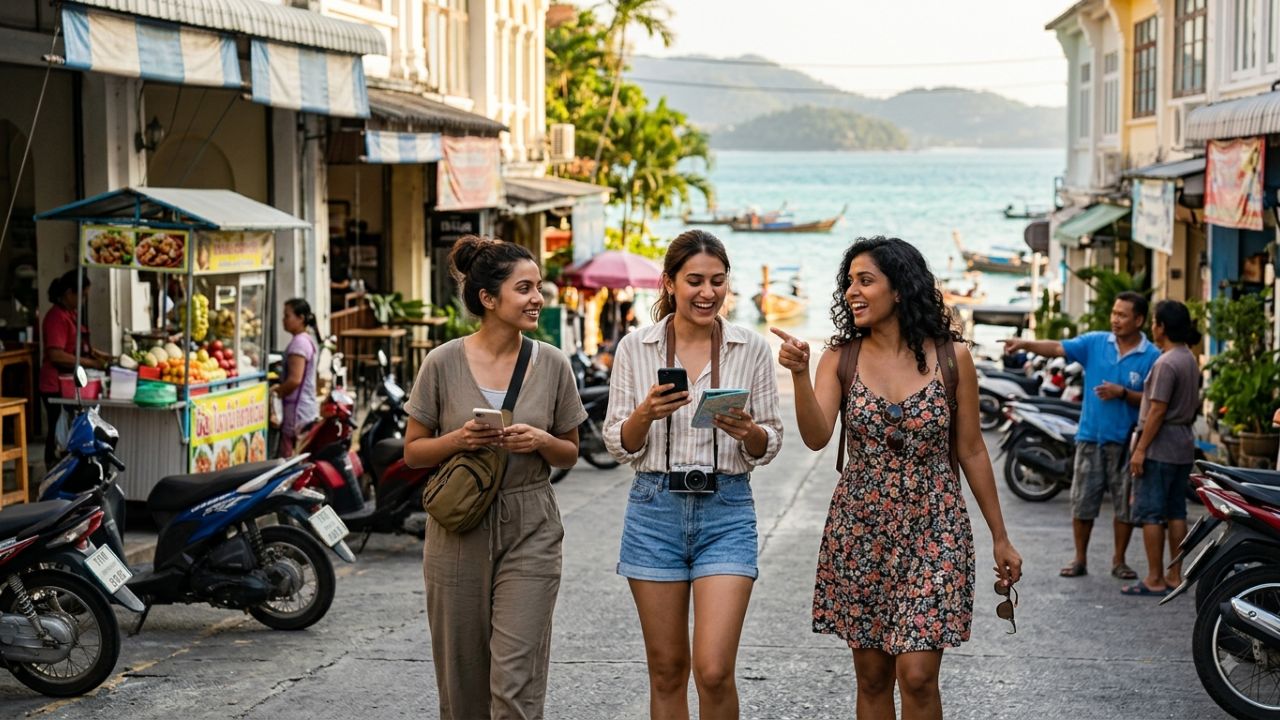
Image generated by AI
Rejecting rigid coach schedules and generic tour packages, younger Indian travelers are shifting toward customized, independent journeys across Thailand in 2026. Highlighted at the India International Travel Mart (IITM) 2026, this structural transformation shows how digital literacy and a desire for personal discovery are driving outbound tourism.
The outbound travel sector in India is experiencing a major transformation. Younger demographics are officially moving away from pre-packaged, large-group sightseeing excursions in search of total autonomy and authentic travel experiences. According to representatives from leading destination management companies operating across hubs like Phuket, Pattaya, and Krabi, modern Indian backpackers prefer exploring coastal islands on their own terms. Rather than being bound to strict coach schedules, fixed hotel arrangements, and generic meal stops, independent travelers seek freedom, spontaneous itineraries, and deep local engagement. This travel realignment helps decentralize tourism, distributing international spending into regional communities.
For the traveler, the real impact of this trend is the ability to customize every element of their journey. The rise of digital booking tools, mobile navigation, and online reviews has simplified independent travel arrangements. Travelers can select their own hostels, utilize regional transport, and sample authentic street food. This shift encourages travelers to explore beyond traditional tourist corridors, directing economic benefits directly to local businesses, transportation providers, and independent host families.
Bridging the Language Gap and Crafting Custom Itineraries
Navigating foreign destinations often presents significant communication challenges, particularly when exploring remote regions or local municipal markets. The language barrier often manifests when visitors try to communicate with regional songthaew drivers or negotiate prices at street-food markets in Krabi and Pattaya. To address this issue, destination management specialists are deploying multicultural teams fluent in both Indian regional languages and native Thai. Having staff members who speak Hindi, Tamil, Bengali, or Marathi instantly relaxes overseas visitors, making them feel secure while exploring unfamiliar environments. These local teams offer operational support, assisting with complex transfers, emergency logistics, and local recommendations. By combining native hospitality with culturally familiar staff, agencies enable independent visitors to navigate foreign markets and rural destinations.
This transition enables the ground teams to resolve real-time travel queries quickly. For example, if a traveler wants to book a spontaneous ferry trip to Koh Lanta or arrange a private cooking class in Krabi, culturally familiar staff can coordinate directly with local vendors to secure bookings without middleman markups, ensuring complete transparency and peace of mind. Uniform holiday packages no longer meet the expectations of modern consumers who demand personalized, flexible travel options. Destination agencies now focus on building tailored itineraries centered entirely around the individual client’s financial parameters, preferred pace, and desired activities. Solo adventurers, friend groups, and budget-conscious backpackers can eliminate the unnecessary costs typically associated with standard group packages, receiving maximum value without sacrificing comfort or safety. Direct collaborations between travel agents and ground handling teams ensure that custom packages are executed reliably from departure to return.
B2B trade events like the India International Travel Mart (IITM) 2026 serve as essential networking hubs where ground handling operators connect directly with regional travel agents. At the IITM 2026 trade show, Kimaya Gopal from Indo Smile South Services explained the shift: "We are actually currently working on travel packages for MICE events as well as backpackers, actually. Because we have noticed that there are a lot of youngsters who would now want to explore Thailand and wouldn’t necessarily want to come in a big group. They want to come individually and explore the island on their own... When it comes to visiting the country, there is a language barrier—so that’s the gap that we bridge. We have a multicultural team with people from all around India. When you’re coming to a new country, it helps you feel like, 'Oh, I’ve met someone that I know,' especially when they’re talking in your language."
Environmental Stewardship and Community-Based Tourism
The growth of independent travel is closely linked to environmental protection and direct support of local economies. For the visitor, the real impact is a travel model that reduces ecological footprints by avoiding massive group transport and supporting regional conservation. This transition toward independent travel is particularly beneficial for small-scale local operators. Traditional group tours often channel profits into foreign-owned hotel chains and massive duty-free shops, leaving very little for the local economy. In contrast, backpackers spend their money on local long-tail boat operators, family-run cafes, and regional guides, creating a more circular economic flow that directly supports community-based conservation initiatives.
In delicate marine environments like Krabi and Phang Nga Bay, independent travelers are encouraged to practice eco-conscious behaviors. This includes utilizing reef-safe sunscreens, avoiding touching or stepping on coral formations during snorkeling excursions, and minimizing plastic waste on remote islands. By choosing sustainable, locally owned transport and participating in community-guided eco-tours, travelers help protect delicate coastal biomes while supporting the livelihoods of resident fishing families.
Destination Specialist Local Insider Tips
To help you plan a custom, independent trip to Thailand safely and responsibly, regional specialists suggest the following local tips:
- Target the Green Shoulder Season: Visit Thailand between May and October to secure the lowest rates on accommodation and boat tours. Be prepared for brief, refreshing afternoon rain showers, which rarely disrupt travel plans.
- Savor Street Food at Night Markets: Experience authentic Thai gastronomy at local night markets. Try Pad Kra Pao (stir-fried holy basil with minced meat and a fried egg) or Som Tum (spicy green papaya salad), which offer fresh flavors at a fraction of tourist restaurant prices.
- Respect Thai Cultural Etiquette: When visiting temples, cover your shoulders and knees. Remove your shoes before entering local shops or homes. Never point your feet at anyone or at Buddha images, as the feet are considered the lowest part of the body.
- Set Up Digital Tools Before Arrival: Purchase a local SIM card at the airport for continuous map navigation and translation assistance. Carry physical cash in small denominations, as street vendors and local transport operators do not accept credit cards.
- Download Local Ride-Hailing Apps: Set up local ride-hailing services like Grab or Bolt before departing. This allows you to check standard rates for taxi rides and book transfers directly, avoiding the inflated taxi pricing often encountered outside main transport terminals.
- Select Eco-Conscious Marine Tours: When arranging island-hopping trips in Krabi, hire local long-tail boat operators who follow marine reserve guidelines, ensuring they do not drop anchors on living coral reefs.
Long-Term Outlook for Independent Asian Travel
The long-term outlook for outbound Indian tourism is defined by the growing demand for customization, flexibility, and cultural depth. As younger travelers continue to prioritize personal discovery, traditional group tours will occupy a smaller share of the international travel market.
This transition toward independent travel will drive regional destination managers, transport networks, and hospitality brands to adapt. Continued investment in digital booking platforms, multilingual support, and sustainable regional transit will ensure that Thailand remains a clean, responsible, and competitive destination, providing authentic and ecologically sound experiences for future generations of global travelers. This transition ensures the preservation of regional heritage while offering global travelers a deeper understanding of Thailand's environments. Furthermore, the collaborative B2B structures established between Indian travel agents and ground handling teams ensure that customized packages remain highly reliable, safe, and competitive in the global market.
Related Travel Guides
Disclaimer
This article is for informational and educational purposes only. It does not constitute legal, financial, or professional advice. While we strive to provide accurate and up-to-date information, travel policies, regulations, and conditions change rapidly. Always verify information with official sources before making travel decisions. Nomad Lawyer makes no representations about the accuracy, reliability, completeness, or suitability of the information provided. Readers should consult qualified professionals for advice specific to their circumstances. The views expressed in this article are those of the author and do not necessarily reflect the views of Nomad Lawyer.
Kunal K Choudhary
Co-Founder & Contributor
A passionate traveller and tech enthusiast. Kunal contributes to the vision and growth of Nomad Lawyer, bringing fresh perspectives and driving the community forward.
Learn more about our team →