
Worlds Most Spectacular Travel Destination Cruise Routes Revealed With Breathtaking Adventures Across Eight Iconic Places
Worlds Most Spectacular Travel Destination Cruise Routes Revealed With Breathtaking Adventures Across Eight Iconic Places
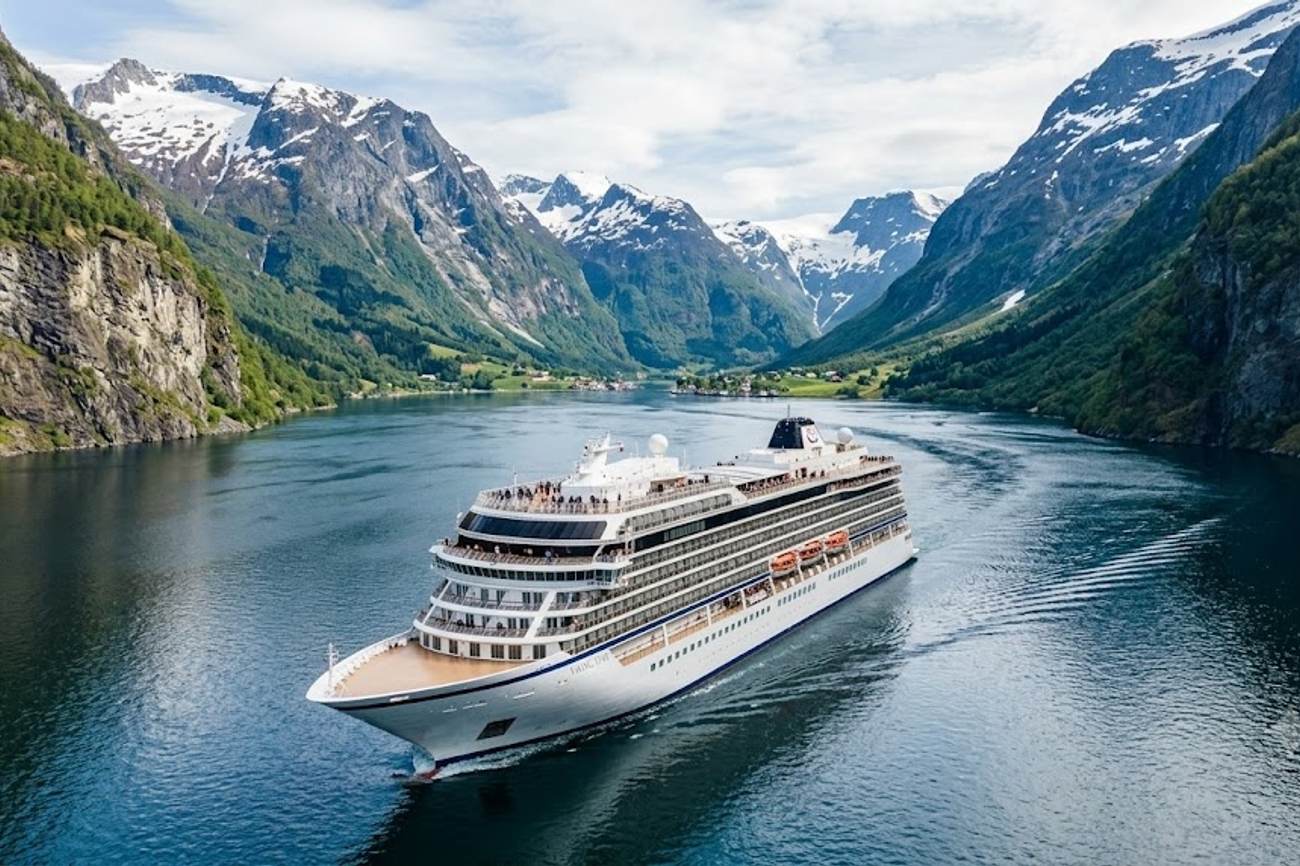
Image generated by AI
[London, May 2024] — Global cruise demand is surging as travelers pivot toward "extraordinary journey" itineraries that integrate high-luxury transit with remote environmental exploration. From the glacial frontiers of Antarctica to the archaeological corridors of the Nile, a new wave of high-capacity and expedition-style voyages is redefining the traditional cruise model by prioritizing seamless access to diverse, multi-destination landscapes.
The current shift in the cruise sector is driven by a consumer desire for "seamless" travel, where nature, wildlife, and cultural immersion are bundled into a single logistics package. This trend is manifesting in eight primary global hubs: the Norwegian Fjords, Alaska, the Panama Canal, the Bahamas, Antarctica, the Galápagos Islands, the Nile River, and the wider Caribbean basin. These routes are seeing increased volume as passengers move away from single-city vacations in favor of expansive, multi-stop itineraries.
The Drivers of Global Route Expansion
The acceleration of these specific routes is triggered by the deployment of specialized vessels. For instance, the rise of expedition cruising has unlocked Antarctica and the Galápagos Islands for the general luxury market, moving these destinations beyond the realm of academic researchers. In the Northern Hemisphere, the demand for "climate-escape" tourism is pushing more passengers toward the Norwegian Fjords and Alaska during peak summer months to avoid extreme heat in southern latitudes.
Furthermore, the integration of private island infrastructure—particularly in the Bahamas—has allowed cruise lines to control the entire passenger experience, reducing the friction of traditional port visits. This "closed-loop" luxury model is a primary driver for family-oriented bookings. In contrast, the Nile and Panama Canal routes are being fueled by a resurgence in "educational luxury," where the transit itself (the lock systems of Panama or the riverbanks of Egypt) serves as the primary attraction rather than a means of transport.
Regional Impact and Route Specifics
The following table outlines the primary markets currently experiencing this growth and the specific draws for passengers:
| Destination | Primary Attraction | Key Experience | Target Demographic |
|---|---|---|---|
| Norwegian Fjords | Glacial Waterways | Cascading waterfalls and coastal villages | Nature Seekers / Europeans |
| Alaska | Untouched Wilderness | Humpback whale sightings and icefields | Adventure Travelers / North Americans |
| Panama Canal | Engineering History | Lock system transit between Atlantic/Pacific | History Buffs / Global Nomads |
| The Bahamas | Tropical Ecosystems | Coral reef snorkeling and private islands | Families / Leisure Travelers |
| Antarctica | Polar Frontiers | Vast ice landscapes and expedition sailing | High-Net-Worth Explorers |
| Galápagos | Evolutionary Biology | Giant tortoises and volcanic landscapes | Wildlife Enthusiasts |
| Nile River | Ancient Civilizations | Archaeological sites and Egyptian temples | Cultural Historians |
| Caribbean | Coastal Diversity | Multi-island beach hopping and culture | Mass Market / North Americans |
What This Means for Travelers
For the modern traveler, the expansion of these routes means a shift in how trips are booked and experienced. The "seamless journey" mentioned by operators implies that logistics—transport, lodging, and guided excursions—are now fully integrated.
For those booking now, the practical impacts are as follows:
- Increased Regulation in Fragile Zones: Travelers heading to the Galápagos or Antarctica should expect strict visitor management protocols. These are not "free-roaming" destinations; movement is heavily regulated by local authorities and the International Maritime Organization (IMO) to prevent environmental degradation.
- Seasonal Volatility: Routes like the Norwegian Fjords and Alaska are highly seasonal. While summer offers longer daylight, winter voyages provide a starkly different "icy" experience. Travelers must align their booking with the specific environmental aesthetic they desire.
- The "Private Island" Shift: In the Bahamas, passengers are increasingly diverted to cruise-line-owned private islands. While this offers high convenience and luxury, it reduces authentic local interaction in favor of a curated resort experience.
- Educational Integration: Nile and Panama Canal cruises are evolving into floating classrooms. Travelers can expect more onboard lectures and guided historical narratives than on standard Caribbean "party" cruises.
The Future of Expedition Transit
The trajectory of the cruise industry suggests a further move toward "extreme" destinations. The success of Antarctic and Galápagos routes is prompting lines to invest in more ice-class vessels and smaller, low-impact ships that can enter narrow fjords or remote river systems without damaging the ecosystem.
We are seeing a transition from "sightseeing" to "immersion." Future itineraries are likely to include more extended stays in port and a higher ratio of shore excursions to sea days. Additionally, the industry is under increasing pressure from bodies like the European Maritime Safety Agency (EMSA) to reduce emissions in sensitive areas like the Norwegian Fjords, which may lead to the introduction of electric-powered cruise ships or stricter fuel requirements for vessels entering these waterways.
For the traveler, this means that while these "spectacular" routes are more accessible than ever, the cost of entry is likely to rise as ships implement greener technologies and adhere to stricter environmental quotas.
FAQ: Global Cruise Routes 2024
Which route is best for wildlife viewing? The Galápagos Islands and Alaska are the premier choices. The Galápagos offers rare species like giant tortoises and marine iguanas, while Alaska is optimal for humpback whales and coastal wilderness.
Are Antarctica cruises accessible to non-experts? Yes. Modern expedition cruises are designed for general travelers. They provide specialized polar vessels and expert guides, removing the need for previous expedition experience.
What makes a Panama Canal cruise different from a standard cruise? The focus is on engineering and geography. The highlight is the transit through the lock system, which physically lifts and lowers ships to move them between two oceans.
How do I handle the strict regulations in the Galápagos? Ensure you book through a certified operator. Most cruises include mandatory guided excursions and strict rules on where you can walk and what you can touch to protect the ecosystem.
The era of the generic cruise is ending; the era of the expedition has arrived.
#NorwegianFjords2024 #AlaskaCruise #PanamaCanalTransit #GalapagosExpedition #NileRiverCruises #AntarcticaTravel
Related Travel Guides
Disclaimer
This article is for informational and educational purposes only. It does not constitute legal, financial, or professional advice. While we strive to provide accurate and up-to-date information, travel policies, regulations, and conditions change rapidly. Always verify information with official sources before making travel decisions. Nomad Lawyer makes no representations about the accuracy, reliability, completeness, or suitability of the information provided. Readers should consult qualified professionals for advice specific to their circumstances. The views expressed in this article are those of the author and do not necessarily reflect the views of Nomad Lawyer.
Naina Thakur
Contributor & Travel Specialist
Travel enthusiast and legal writer covering visa regulations, responsible tourism, and cultural journeys across global destinations.
Learn more about our team →