
Oman’s Jabal Akhdar Enters New Gulf Tourism Era as GCC Tourism Capital 2027 Sparks Historic Growth Wave
Oman’s Jabal Akhdar Enters New Gulf Tourism Era as GCC Tourism Capital 2027 Sparks Historic Growth Wave

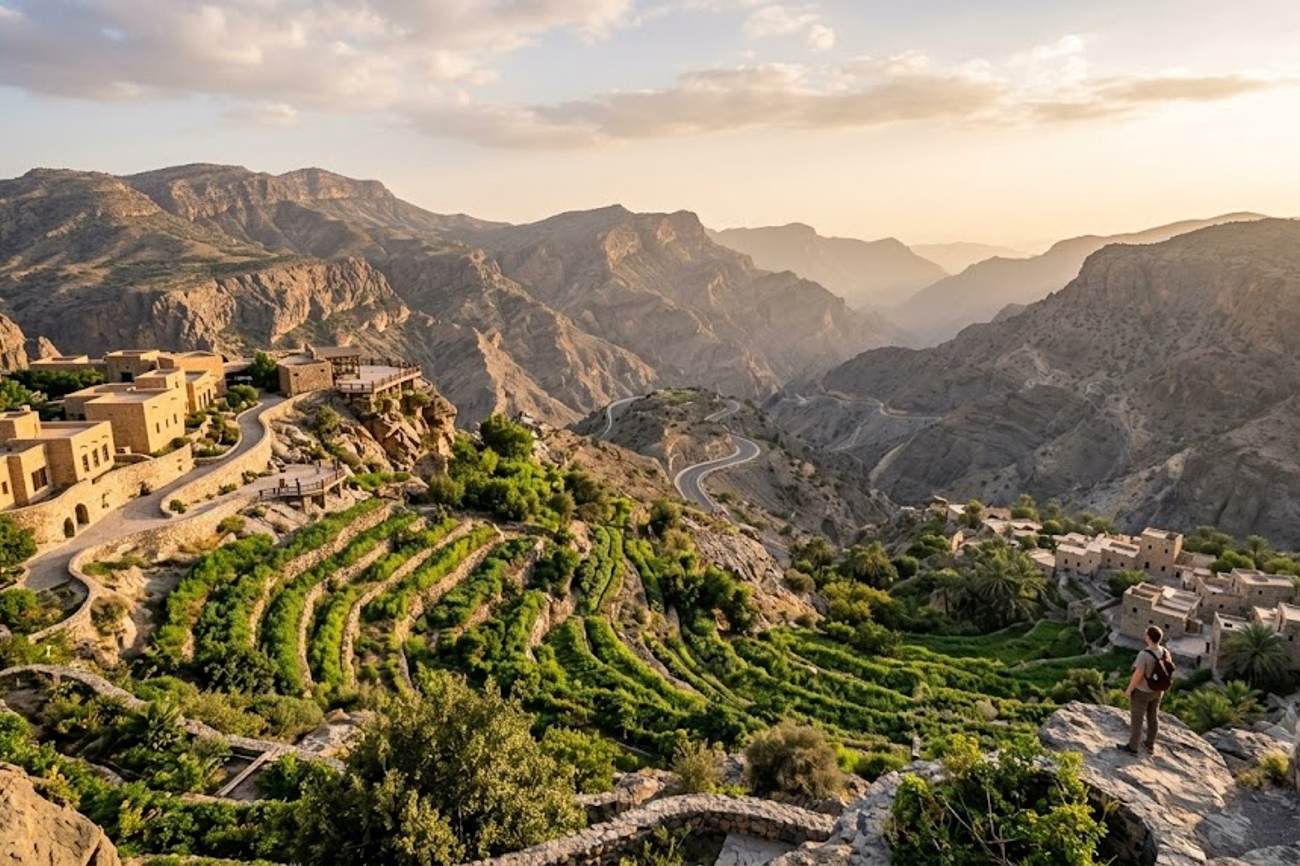
Image generated by AI
While most Gulf destinations are defined by shimmering coastlines and futuristic skylines, Jabal Akhdar is a mountain sanctuary where the economy is driven by the scent of damask roses and the harvest of ancient pomegranate groves. This high-altitude enclave has just been named the GCC Tourism Capital 2027, a designation that marks a pivot from quiet exclusivity to a structured era of regional prominence.
The Ascent of the Green Mountain
The announcement made during the 10th Meeting of Ministers Responsible for Tourism in the Gulf Cooperation Council in Bahrain has set a countdown for Jabal Akhdar. By 2027, this region of Oman will transition from a seasonal retreat for those escaping the desert heat into a primary hub for Gulf tourism. This isn't merely a title; it is a strategic catalyst. The Omani Ministry of Heritage and Tourism is currently architecting a comprehensive framework of infrastructure projects and cultural events designed to extend the average length of stay and increase visitor expenditure.
The goal is to move beyond the "stopover" mentality. Instead of a quick trip up the mountain to see the views, the 2027 initiative aims to integrate Jabal Akhdar into broader national itineraries. By linking the mountains with the urban energy of Muscat and the historic forts of Nizwa, Oman is positioning the region as a multi-dimensional destination. For the traveler, this means a shift toward more sophisticated hospitality and a wider array of organized experiences that preserve the area's rugged soul while improving accessibility.
What Makes Jabal Akhdar Different
Unlike the manicured luxury of many GCC hubs, Jabal Akhdar—which translates to "Green Mountain"—offers a sensory experience rooted in the earth. Its identity is inseparable from its agricultural heritage. The mountain is famous for its dramatic terraced farms, which cling to steep slopes and produce high-quality walnuts, honey, and pomegranates.
The most evocative element of the region is its rose production. The cultivation of roses is not just an industry but a cultural heartbeat, leading to the production of traditional rosewater. This agritourism element provides a grounding contrast to the luxury resorts often found in the region. Visitors don't just see a view; they participate in a living, breathing agricultural cycle.
Geographically, the region provides a climatic anomaly in the peninsula. The cooler temperatures and seasonal shifts make it a sanctuary for nature enthusiasts and those seeking outdoor activity. From hiking the limestone cliffs to exploring abandoned stone villages, the experience is tactile and raw. The region's ability to host niche events—such as the Gulf horse-riding gathering held in August 2026—proves that the terrain can support high-end adventure tourism without losing its ancestral character. You can find more about the broader national strategy for these sites via the Oman Ministry of Heritage and Tourism.
Visitor Insider Tips
To experience Jabal Akhdar through a local lens rather than a resort brochure, timing and transport are everything.
The Window of Gold: While the mountains are a refuge in summer, the absolute peak experience is during the rose harvest in spring. This is when the air is thick with scent and the villages are most active. If you prefer the fruit harvest, time your visit for the pomegranate season.
Transport Realities: You cannot simply drive any car up the mountain. Omani police checkpoints often require a 4WD vehicle to enter the Jabal Akhdar plateau for safety reasons. Do not attempt the climb in a sedan; rent a sturdy 4x4 in Muscat or Nizwa.
Etiquette and Engagement: When visiting the terraced farms, remember that these are active workplaces and often family homes. Always ask permission before entering a farm or photographing a farmer. A polite greeting in Arabic goes a long way in opening doors to authentic hospitality.
Where to Base Yourself: While the luxury hotels offer world-class views, consider spending a night in a traditional guesthouse or a community-led homestay. This allows you to support the local "productive families" and artisans who are the backbone of the 2027 economic vision.
Local Flavities: Do not leave without sampling the local honey and pomegranate juice. Look for small stalls run by local families along the mountain roads rather than hotel gift shops for the most authentic produce.
Cultural and Environmental Context
The designation of GCC Tourism Capital 2027 brings a complex challenge: balancing growth with preservation. Jabal Akhdar is not a theme park; it is a fragile ecosystem of terraced agriculture and ancient stone architecture. The Omani government's strategy explicitly mentions converting the 2027 title into long-term sustainable projects. This is vital because the very thing that attracts visitors—the pristine air and traditional farming—is what is most at risk from over-tourism.
There is a concerted effort to ensure that the economic windfall reaches the residents, artisans, and small-scale entrepreneurs. By promoting agritourism, the state is attempting to make traditional farming financially viable for the younger generation, preventing the abandonment of the terraces. This model of community-led tourism is essential for maintaining the social fabric of the mountain villages. Furthermore, as the region seeks to attract more international hikers and adventure seekers, the management of waste and trail erosion becomes a priority, aligning with the conservation goals often highlighted by UNESCO for similar heritage landscapes.
FAQ: Visiting Jabal Akhdar 2027
What is the best time to visit? Spring is ideal for the rose harvest and mild weather. Summer is perfect for those escaping the heat of the GCC lowlands, as temperatures remain significantly cooler on the plateau.
Do I need a 4WD vehicle to visit? Yes. Access to the mountain is restricted to 4WD vehicles at police checkpoints to ensure visitor safety on the steep, winding roads.
How do I get there from Muscat? Drive approximately 2.5 to 3 hours toward Nizwa, then ascend the mountain road. It is recommended to hire a local guide or rent a 4x4 for the final ascent.
Is it safe for solo travelers? Yes, Oman is consistently ranked as one of the safest countries in the world. However, solo hikers should always notify their hotel or a local guide of their route due to the rugged terrain.
The Green Mountain is no longer Oman's best-kept secret, but its soul remains etched in the limestone and the scent of roses.
#JabalAkhdar #OmanTravel2027 #GCCTourismCapital #AgritourismOman #VisitOman #MountainAdventure
Related Travel Guides
Disclaimer
This article is for informational and educational purposes only. It does not constitute legal, financial, or professional advice. While we strive to provide accurate and up-to-date information, travel policies, regulations, and conditions change rapidly. Always verify information with official sources before making travel decisions. Nomad Lawyer makes no representations about the accuracy, reliability, completeness, or suitability of the information provided. Readers should consult qualified professionals for advice specific to their circumstances. The views expressed in this article are those of the author and do not necessarily reflect the views of Nomad Lawyer.
Preeti Gunjan
Contributor & Community Manager
A passionate traveller and community builder. Preeti helps grow the Nomad Lawyer community, fostering engagement and bringing the reader experience to life.
Learn more about our team →