
Thailand pivots to "Fashion Tourism" to diversify cultural travel beyond beaches and temples
Thailand pivots to "Fashion Tourism" to diversify cultural travel beyond beaches and temples

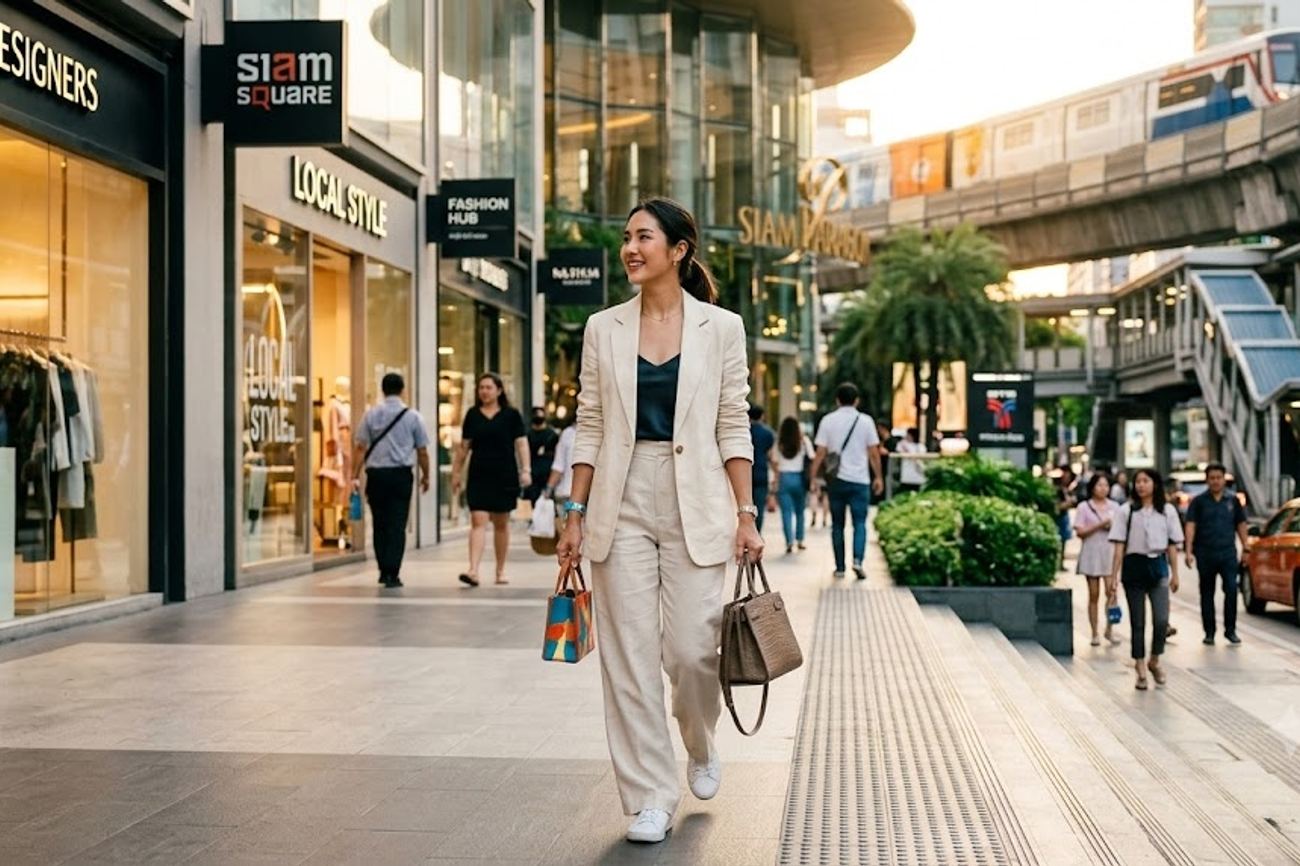
Image generated by AI
[Bangkok, October 2024] — Thailand is officially integrating its textile heritage and artisanal craftsmanship into its national tourism strategy, positioning high fashion and traditional weaving as primary drivers for international visitor growth. The initiative centers on a major Bangkok-based showcase designed to transform the country's rich history of silk and jewelry production into a tangible, luxury travel product.
The Tourism Authority of Thailand (TAT) is spearheading this shift to move the market beyond conventional sightseeing. By linking the creative economy with community-based travel, the government aims to redirect tourist traffic from overcrowded hubs into regional artisan villages. This strategy seeks to capitalize on the growing global demand for "meaningful travel," where visitors prioritize the origin stories and sustainable production of the goods they purchase.
The Catalyst for Creative Tourism
The immediate trigger for this movement is a strategic pivot toward the "creative economy." Thailand is no longer relying solely on its natural landscapes or culinary fame; instead, it is leveraging its regional identity—specifically its diverse textile traditions—to create a new category of travel. The Bangkok showcase serves as the launchpad, demonstrating how ancient weaving techniques can be adapted into modern, wearable luxury.
By showcasing the intersection of traditional knowledge and contemporary design, the government is attempting to elevate "shopping tourism" from the purchase of generic souvenirs to the acquisition of heritage pieces. This shift is designed to increase the average spend per visitor while ensuring that a higher percentage of those funds reach the rural artisans who maintain these centuries-old skills.
Regional Impact and Market Distribution
The fashion tourism initiative is not centralized in the capital; it relies on a network of regional hubs that provide the raw materials and craftsmanship for the Bangkok showcases. The following regions are the primary contributors to this new tourism vertical:
| Region | Primary Specialization | Tourism Integration |
|---|---|---|
| Northeastern (Isan) | Silk weaving and intricate patterns | Cultural tours of artisan villages |
| Northern Thailand | Handwoven cotton and natural dyes | Community-based immersive stays |
| Central Thailand | Historic craftsmanship and royal styles | Urban cultural exploration |
| Southern Thailand | Coastal textiles and local fabrics | Integrated island and craft journeys |
Beyond the primary regions, specific destinations have been identified as critical nodes for the fashion traveler:
- Chiang Mai: Acting as the northern hub for creative communities and traditional markets.
- Isan Provinces: The epicenter for authentic silk production and weaving traditions.
- Phuket: Integrating local lifestyle products into the luxury resort experience.
- Surat Thani: Showcasing Southern craft traditions to diversifying the coastal itinerary.
Practical Traveler Advisory and Strategic Insights
For the modern traveler, this shift translates to a change in how "luxury" and "culture" are experienced in Thailand. The focus is moving away from passive observation (visiting a museum) toward active participation (visiting a loom).
Direct Impact on Itinerary Planning: Visitors can now book specialized "textile trails" that lead from the high-end galleries of Bangkok to the remote weaving villages of the Isan region. This means a shift in logistics, where travelers may spend more time in rural provinces rather than sticking to the traditional Bangkok-Phuket-Chiang Mai triangle.
Shift in Consumer Behavior: The "souvenir" is being replaced by the "investment piece." Travelers are encouraged to engage in sustainable shopping, where the value of a garment is tied to the identity of the weaver and the regional history of the pattern. This reduces the reliance on mass-produced imports and increases the availability of authentic, locally sourced Thai silk and cotton.
Thailand is aggressively expanding its MICE (Meetings, Incentives, Conventions, and Exhibitions) sector to attract high-spending business travelers and global corporate events. The Tourism Authority of Thailand is spearheading this pivot by promoting sustainable event hosting and integrating local cultural experiences into professional itineraries.
Enhanced Cultural Access: Travelers now have sanctioned access to artisan communities that were previously difficult to navigate. The integration of fashion into the Ministry of Tourism and Sports framework means better infrastructure and guided access to traditional weaving centers.
The Future of Thailand's Creative Image
The long-term goal is to redefine Thailand's global brand. While the country remains a leader in beach and temple tourism, the government is betting that "fashion tourism" will attract a higher-spending, culturally conscious demographic. This strategy aligns with global trends in sustainable fashion and ethical travel.
The next phase of the rollout involves deeper integration between fashion designers and rural cooperatives. By creating a pipeline where traditional weavers collaborate with modern designers, Thailand ensures that ancient techniques do not die out but instead evolve. This economic incentive provides a lifeline to rural communities, turning traditional skills into viable livelihoods for the younger generation.
As Bangkok continues to solidify its role as the creative hub, the city will likely see an increase in "design districts" and pop-up exhibitions that serve as gateways to the provinces. The ultimate objective is a seamless loop: a traveler discovers a textile in a Bangkok gallery, travels to a village in the North to see it made, and returns to the city to purchase a contemporary version of that craft.
FAQ: Thai Fashion Tourism 2024
How can I visit traditional weaving villages? Travelers can organize trips through the Tourism Authority of Thailand or specialized creative tour operators. Most artisan communities are located in the Isan and Northern regions, often requiring a combination of domestic flights and local transport.
Is Thai silk sustainable? The current initiative emphasizes "sustainable shopping" and community-based production. By purchasing directly from artisan villages or certified heritage brands, travelers support eco-friendly, handmade processes over industrial mass production.
What is the difference between Bangkok fashion and regional crafts? Bangkok serves as the contemporary lens, where designers adapt traditional fabrics into modern silhouettes. Regional crafts are the source, focusing on the raw weaving techniques, natural dyes, and ancestral patterns.
Are there specific events for fashion tourists? Yes, the Bangkok fashion showcases and regional craft fairs are the primary events. Visitors are encouraged to check the official tourism calendars for exhibition dates and designer showcases.
Thailand is weaving its ancestral past into a luxury future.
Related Travel Guides
Disclaimer
This article is for informational and educational purposes only. It does not constitute legal, financial, or professional advice. While we strive to provide accurate and up-to-date information, travel policies, regulations, and conditions change rapidly. Always verify information with official sources before making travel decisions. Nomad Lawyer makes no representations about the accuracy, reliability, completeness, or suitability of the information provided. Readers should consult qualified professionals for advice specific to their circumstances. The views expressed in this article are those of the author and do not necessarily reflect the views of Nomad Lawyer.
Naina Thakur
Contributor & Travel Specialist
Travel enthusiast and legal writer covering visa regulations, responsible tourism, and cultural journeys across global destinations.
Learn more about our team →