
Why Seoul Is Launching Certified Patient-Friendly Hotels for International Travellers
Why Seoul Is Launching Certified Patient-Friendly Hotels for International Travellers

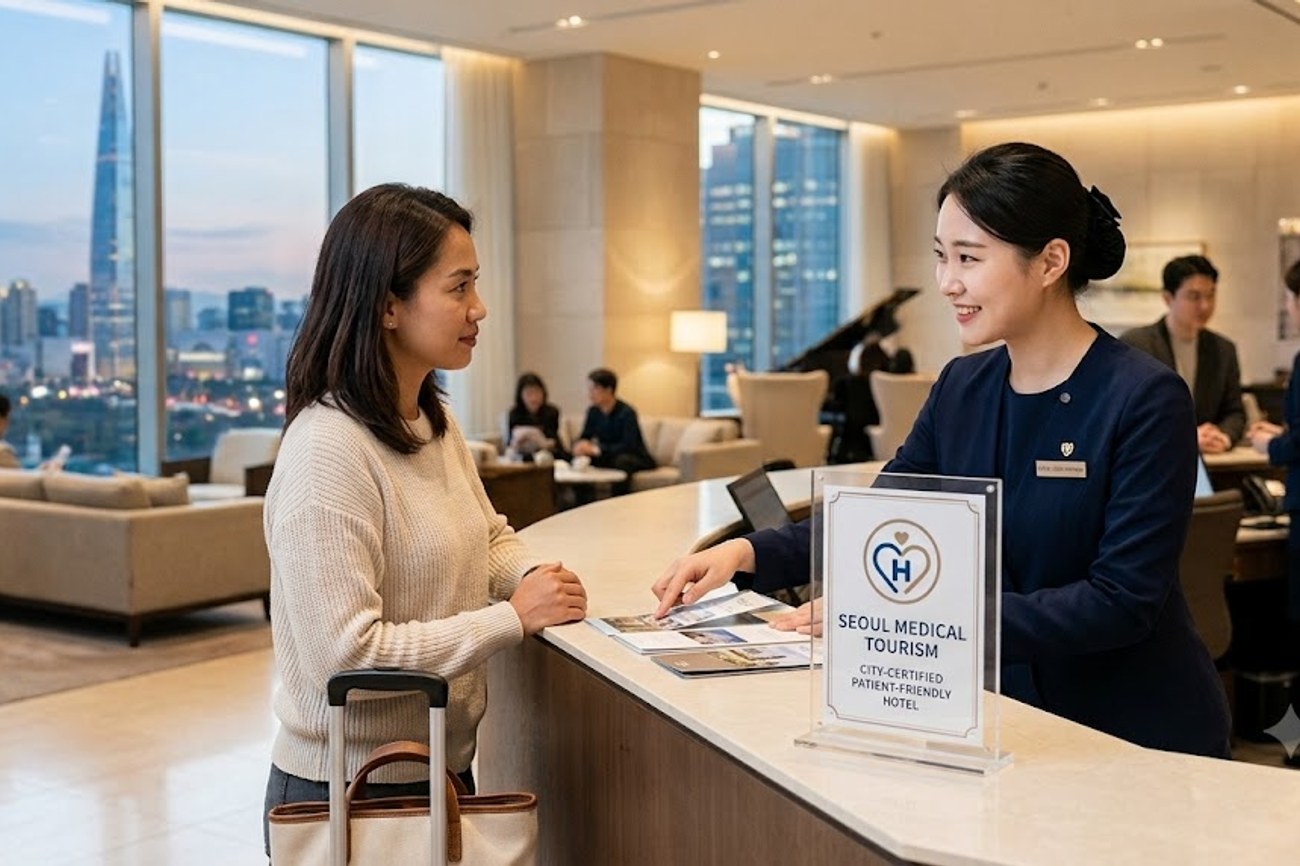
Image generated by AI
[Seoul, September 13, 2026] — The Seoul Metropolitan Government is launching an official certification program to designate "patient-friendly hotels" specifically designed for the recovery of international medical tourists.
The municipal initiative aims to standardize post-operative care environments for thousands of foreign nationals who travel to South Korea annually for advanced surgical procedures and wellness treatments. Applications for hospitality properties seeking this official designation will be open from September 14 to September 30, 2026.
The Gap in Post-Operative Care
The move comes as East Asia cements its status as a primary global hub for clinical interventions. Currently, a systemic void exists between the moment a patient is discharged from a sterile hospital ward and the point of full recovery. Many international travelers have historically relied on unvetted short-term rentals or standard commercial hotels that lack the infrastructure to support guests with limited mobility, strict medication regimens, or specialized dietary needs.
By establishing rigorous architectural and service benchmarks, the Seoul Metropolitan Government intends to eliminate the risks associated with substandard recovery environments. This regulatory framework ensures that the transition from clinical care to hospitality does not compromise the patient's health or surgical outcomes.
Who Is Affected
The program primarily targets high-volume medical districts and the specific demographics of patients utilizing Seoul's healthcare infrastructure.
| Impact Group | Specifics |
|---|---|
| Primary Districts | Gangnam, Jongno, Songpa, and Mapo |
| Patient Types | Orthopedic surgery, organ transplant, dermatology, and cosmetic surgery patients |
| Hospitality Providers | Hotels and lodging facilities applying between Sept 14–30 |
| Auxiliary Services | Medical translation agencies, specialized transport, and nutritional catering firms |
The city is placing a particular emphasis on the Gangnam district, which currently hosts the world's highest concentration of elective plastic surgery and dermatology clinics. Until now, the lack of consistent recovery infrastructure in Gangnam has led to highly variable patient experiences.
What This Means for Travelers
For a passenger booking a medical trip to Seoul, this certification transforms the recovery process from a DIY logistical challenge into a regulated service.
Physical Safety and Accessibility Travelers will no longer need to gamble on whether a hotel room can accommodate a wheelchair or a stretcher. Certified properties must provide step-free entry, widened corridors, and medical-grade adjustable bedding. Bathrooms will be mandated to have non-slip surfaces, integrated grab bars, and step-in shower configurations.
Health and Hygiene Immunocompromised guests will have access to hospital-grade air purification units and advanced ventilation systems designed to minimize exposure to airborne pathogens, a feature rarely found in standard luxury hotels.
Logistical Support The "Patient-Friendly" label guarantees a 24-hour multilingual concierge. These desks are not for tourist tips, but for critical coordination: managing pharmacy liaisons, arranging emergency medical transport, and providing translation services for post-operative check-ups.
The Economic Shift Toward Medical Clusters
This policy is a strategic effort to protect the city's reputation as a premier health destination. By institutionalizing quality control, Seoul is mitigating the risk of post-surgical complications occurring in unmonitored environments.
The city is moving toward a "medical tourism cluster" model. This involves the creation of seamless, end-to-end packages where surgical procedures, physical therapy, and certified lodging are bundled into a single itinerary. This removes the administrative burden from patients who are often physically and mentally exhausted.
Furthermore, the Korea Health Industry Development Institute (KHIDI) and similar bodies are seeing a ripple effect in auxiliary sectors. Specialized catering businesses providing post-surgical diets and medical transport companies are expanding to meet the demands of these certified hubs.
Implementation Timeline
The rollout follows a strict September schedule:
- September 14–30: Official application window for hotel properties.
- Post-September: Evaluation period where properties are measured against universal accessibility and sanitation vectors.
- Final Phase: Publication of an official registry of certified accommodations across the Gangnam, Jongno, and Songpa districts.
While these hotels remain hospitality venues and not clinical extensions, they are required to maintain formal partnerships with nearby tertiary medical institutions to ensure rapid emergency response times.
FAQ: Seoul Medical Hotels 2026
How do I find a certified recovery hotel? The Seoul Metropolitan Government will publish an official registry of accredited properties following the September evaluation window. Travelers should look for the official municipal "patient-friendly" designation when booking.
Are there doctors staying at these hotels? No. These are hospitality venues, not hospitals. However, every certified hotel must have a direct partnership with a nearby medical institution to handle emergencies or urgent clinical needs.
What procedures are these hotels designed for? They cater to a wide range of recovery needs, including complex orthopedic surgeries, organ transplant aftercare, and extended-stay recovery for cosmetic or dermatological enhancements.
Will these hotels provide medical meals? Yes. One of the core criteria for accreditation is the provision of specialized nutritional support services tailored to post-surgical dietary restrictions.
Seoul is effectively turning the hotel room into a bridge between the operating table and the flight home.
#SeoulMedicalTourism #GangnamHealth #PatientFriendlyHotels #SeoulMetropolitanGovernment #MedicalRecovery2026 #KHIDI
Related Travel Guides
- Dubai’s St. Regis The Palm Announces Grand November Reopening After Luxury Refurbishment on Palm Jumeirah
- Ritz-Carlton Amman Says Saudi Travellers Feel “Home Away From Home” in Jordan
- Maldives Joins Indonesia and More Beach Countries Trying to Reach Hard to Steal Nuptials with Five-Star Resorts and Over the Water Bungalows
Disclaimer
This article is for informational and educational purposes only. It does not constitute legal, financial, or professional advice. While we strive to provide accurate and up-to-date information, travel policies, regulations, and conditions change rapidly. Always verify information with official sources before making travel decisions. Nomad Lawyer makes no representations about the accuracy, reliability, completeness, or suitability of the information provided. Readers should consult qualified professionals for advice specific to their circumstances. The views expressed in this article are those of the author and do not necessarily reflect the views of Nomad Lawyer.
Raushan Kumar
Founder & Lead Developer
Full-stack developer with 11+ years of experience and a passionate traveller. Raushan built Nomad Lawyer from the ground up with a vision to create the best travel and law experience on the web.
Learn more about our team →