
Presidential Aircraft Modernization Crisis: Air Force One Replacement Project Spirals Into Billions-Dollar Budget Nightmare
Breaking airline news and aviation industry updates for 2026.

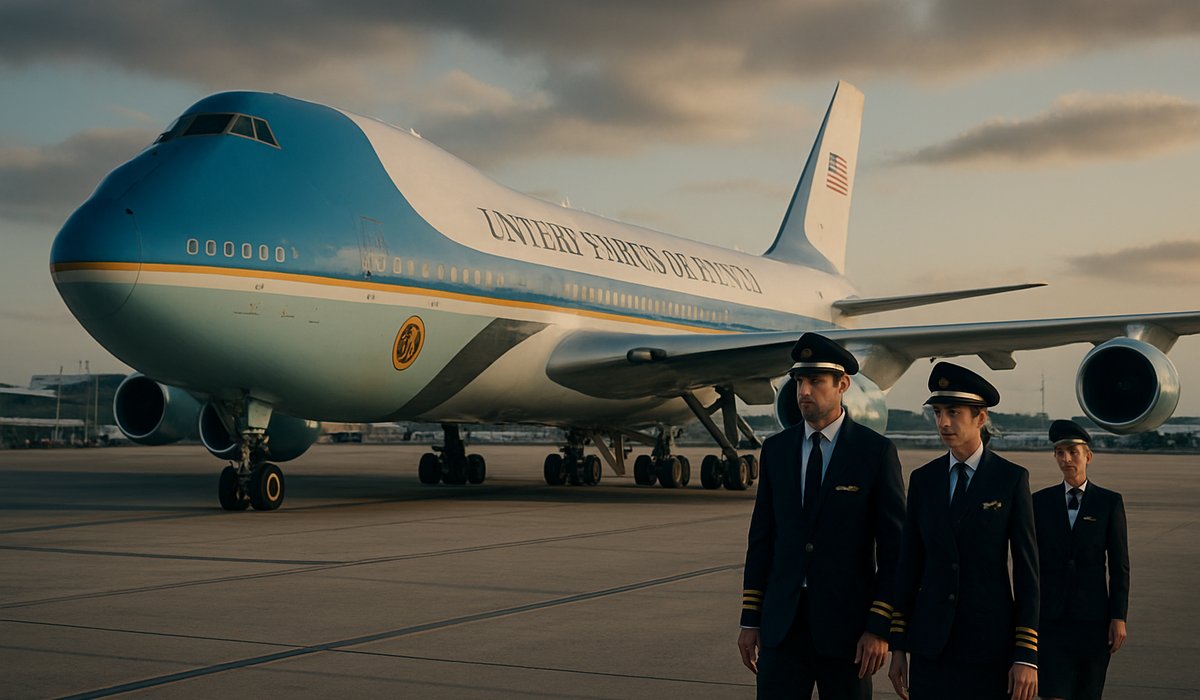
Image generated by AI
Presidential Aircraft Modernization Crisis: Air Force One Replacement Project Spirals Into Billions-Dollar Budget Nightmare
Supply chain disruptions, inflation, and complexity derail long-delayed VC-25B program as delivery slips to 2028 at earliest
A Decade-Long Delay Reshapes Aviation's Biggest Modernization Project
The United States Air Force's ambitious plan to retire its aging Air Force One fleet and deploy a next-generation presidential aircraft has descended into a multi-billion-dollar budgetary crisis, with the first replacement jet now expected to arrive four years later than originally planned. The VC-25B program, designed to replace the iconic Boeing 747-based aircraft that have served American presidents since the 1990s, was initially scheduled for delivery in 2024—a target now deemed unattainable as the project faces a mid-2028 arrival, with some officials privately warning of potential delays extending into 2029 or beyond.
Mounting Costs Strain Defense Budget Priorities
The program's cost overruns have ballooned significantly beyond initial projections, creating a cascading effect across Department of Defense spending priorities. Industry analysts attribute the financial hemorrhaging to multiple compounding factors: unprecedented supply chain disruptions stemming from the pandemic, volatile inflation in aerospace manufacturing components, unforeseen integration challenges with advanced avionics systems, and the extraordinary complexity of retrofitting military-grade communications and security infrastructure into commercial aircraft platforms.
Why Presidential Aircraft Modernization Proves Uniquely Challenging
The VC-25B project represents far more than a simple aircraft procurement. The presidential transport must incorporate classified defense systems, advanced encryption technology, autonomous defense mechanisms, and redundant communication networks that cannot be sourced from standard commercial suppliers. These specialized requirements have forced manufacturers to navigate lengthy federal certification processes, coordinate between multiple defense contractors, and overcome technical obstacles that conventional aviation programs rarely encounter.
"The replacement program underscores the fundamental challenge of modernizing critical national security assets within budgetary constraints," explained industry observers monitoring the project's trajectory. The Air Force faces an impossible balance: expediting delivery of aircraft equipped with cutting-edge technology while maintaining the security protocols demanded of presidential transport.
Broader Implications for Aerospace Industry Standards
The Air Force One crisis ripples across the broader commercial and defense aviation sectors, signaling troubling trends in large-scale aerospace procurement. Similar programs managing military transport modernization, tanker aircraft replacements, and strategic bomber development have encountered comparable delays and cost escalations, suggesting systemic challenges within defense acquisition frameworks.
As the global aviation industry continues navigating post-pandemic recovery and inflationary pressures, the presidential aircraft debacle serves as a cautionary tale about the vulnerability of massive capital projects to unforeseen disruptions.
FAQ: Air Force One Replacement Program Questions
Q: Why has the Air Force One replacement program experienced such significant delays? A: Multiple factors contributed to the delays, including pandemic-related supply chain disruptions, aerospace manufacturing inflation, complex military technology integration requirements, and underestimated challenges in retrofitting advanced security and communications systems.
Q: What is the estimated total cost of the VC-25B program? A: While specific current figures fluctuate, the program has ballooned billions of dollars beyond original projections due to cost overruns and extended timelines that continue accumulating expenses.
Q: How does this compare to other defense aviation modernization programs? A: Similar military aircraft procurement initiatives have experienced parallel delays and budget challenges, indicating broader systemic issues within defense acquisition and aerospace supply chains rather than isolated problems.
Q: When will the first replacement aircraft actually be delivered? A: The current estimate places delivery in mid-2028, though some officials have cautiously warned that delays extending to 2029 or later remain possible depending on ongoing technical developments.
Q: What makes presidential aircraft modernization more complex than commercial aviation projects? A: Presidential transport requires classified defense systems, encrypted communications networks, autonomous defense mechanisms, and specialized security infrastructure unavailable through standard commercial aviation suppliers, necessitating lengthy federal certification and multi-agency coordination.
Related Travel Guides
Flight Delay Compensation Guide 2026
Understanding Airline Route Changes
Airport Security Process Updated (2026)
External Resources
Disclaimer
This article is for informational and educational purposes only. It does not constitute legal, financial, or professional advice. While we strive to provide accurate and up-to-date information, travel policies, regulations, and conditions change rapidly. Always verify information with official sources before making travel decisions. Nomad Lawyer makes no representations about the accuracy, reliability, completeness, or suitability of the information provided. Readers should consult qualified professionals for advice specific to their circumstances. The views expressed in this article are those of the author and do not necessarily reflect the views of Nomad Lawyer.
Raushan Kumar
Founder & Lead Developer
Full-stack developer with 11+ years of experience and a passionate traveller. Raushan built Nomad Lawyer from the ground up with a vision to create the best travel and law experience on the web.
Learn more about our team →