
Allegiant Credit Cards Revenue Emerges as Post-Merger Growth Engine
Allegiant Air identifies credit card partnerships as its biggest untapped revenue opportunity in 2026 following the Sun Country merger. CEO Greg Anderson charts new financial services strategy.

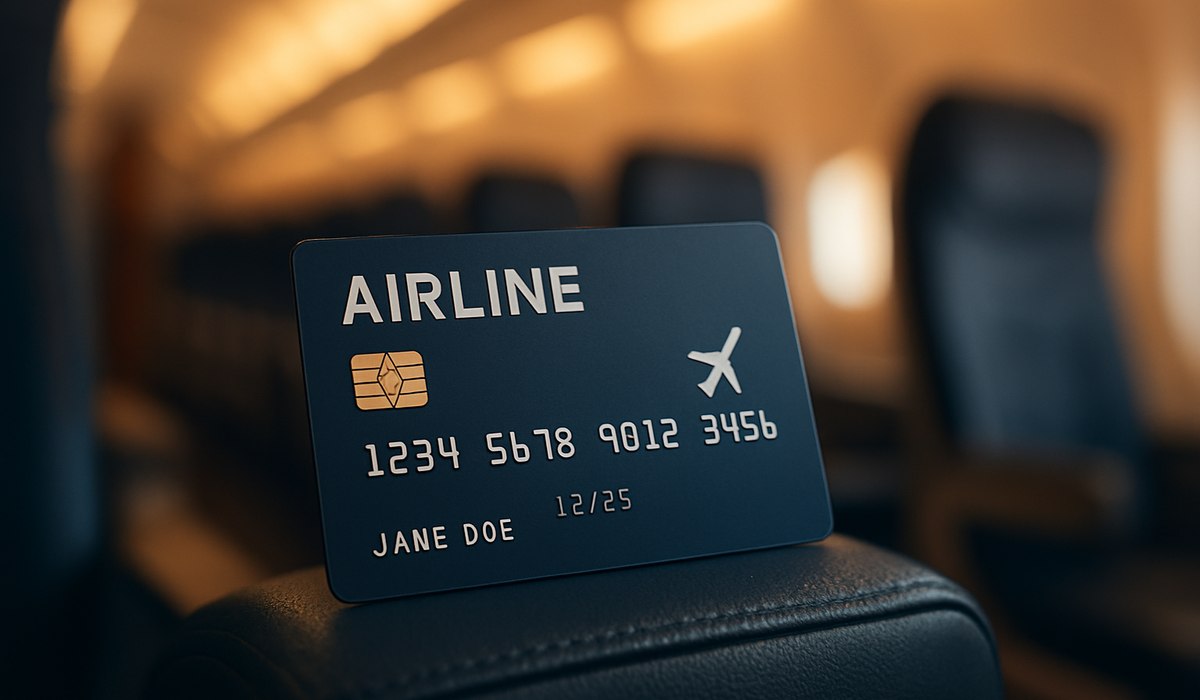
Image generated by AI
Allegiant Air Charts Bold Credit Card Strategy Post-Sun Country Merger
Allegiant Air has identified credit card programs as its primary growth opportunity following the carrier's successful merger with Sun Country Airlines. CEO Greg Anderson recently signaled that financial partnerships represent the airline's most promising revenue stream beyond traditional flight operations. This strategic pivot comes as ultra-low-cost carriers (ULCCs) increasingly diversify income sources to compete with full-service network carriers in 2026.
The Las Vegas-based airline operates a fleet serving over 100 destinations across the United States. Post-merger, Allegiant now manages expanded passenger volumes and route networks, creating new opportunities for ancillary revenue generation. Anderson's public statements underscore how modern airlines view co-branded credit card partnerships as essential to financial sustainability and competitive positioning.
Credit Cards as Allegiant's Next Growth Frontier
The credit card revenue opportunity represents a transformative moment for Allegiant Air's business model. Unlike ticket sales—where margins compress during price wars—credit card partnerships generate recurring revenue through interchange fees, annual membership charges, and sign-up bonuses. These financial products reach millions of potential cardholders annually, extending Allegiant's brand influence far beyond traditional passengers.
Industry data shows that major U.S. airlines derive 15-20% of non-ticket revenue from credit card co-branding agreements. For budget carriers like Allegiant, this percentage often runs higher because base fares leave minimal margin. Anderson's emphasis on maximizing credit card penetration reflects a maturing understanding that airline profitability increasingly depends on financial services relationships rather than seat inventory alone.
The carrier's strategy aligns with broader ULCC trends. Airlines like Spirit and Frontier have similarly expanded loyalty program benefits and credit card offerings. However, Allegiant's post-merger scale—combined with Sun Country's leisure-focused customer base—creates unique cross-selling potential that competitors lack.
Loyalty Program Expansion Post-Sun Country Merger
Integrating Sun Country's loyalty program with Allegiant's existing frequent flyer platform presents both operational challenges and revenue upside. Successful consolidation could create a unified points ecosystem serving millions of members across expanded route networks. Enhanced rewards structures and tiered benefits incentivize card adoption among the merged entity's combined customer base.
Post-merger loyalty programs typically offer cardholders accelerated points earning, waived baggage fees, and priority boarding benefits. These perks drive card spending outside air travel—on hotels, dining, and travel services—generating merchant partnerships that amplify revenue. Allegiant's leisure-dominant customer profile (ski trips, beach vacations, convention travel) correlates with higher discretionary spending and stronger credit card uptake compared to business-focused airlines.
The merger creates operational synergies that reduce costs associated with loyalty program maintenance. Consolidated technology platforms, customer service operations, and marketing infrastructure allow Allegiant to scale credit card programs more efficiently than standalone competitors. This efficiency advantage translates directly to improved profitability per cardholder recruited.
Competitive Positioning in Airline Financial Services
Allegiant Air's credit card strategy must compete within an increasingly crowded marketplace dominated by established players. American Airlines, United, Delta, and Southwest maintain highly profitable co-branded card partnerships with major banks. However, ULCC differentiation lies in targeting price-sensitive leisure travelers—a demographic often overlooked by legacy carriers' premium positioning.
Market research suggests that budget-conscious travelers actively seek airline credit cards offering rewards redemption on low-fare carriers. Allegiant's expanded Sun Country network creates more redemption opportunities across popular leisure destinations, improving card appeal. Additionally, the carrier's point-to-point route structure simplifies redemption logistics compared to hub-and-spoke models.
Competitive threats include digital-native travel financial products and alternative loyalty platforms (hotel and restaurant programs). Allegiant must position its credit card as essential to leisure travel planning—offering flexibility, transparency, and genuine value rather than aspirational premium positioning. Anderson's focus on credit cards suggests management recognizes this differentiation opportunity clearly.
What This Means for Budget Travelers
Allegiant credit cards directly affect how budget-conscious passengers access low-cost air travel rewards. Expanded programs may introduce sign-up bonuses sufficient to cover round-trip economy fares on popular routes. Annual percentage rates (APRs) on airline cards typically range 18-24%, making responsible credit management essential for maximizing value.
Loyalty program integration creates new opportunities for strategic point accumulation. Travelers considering frequent Allegiant flights should evaluate cards offering bonus points during first-year spending. However, cardholders must compare benefits against alternative reward cards—particularly cash-back options that provide universal flexibility across all airlines.
The merger's success depends partly on customer satisfaction with unified loyalty platforms. Poorly executed integration frustrates existing members and damages brand loyalty. Conversely, seamless consolidation offering enhanced benefits incentivizes card adoption among Sun Country's former exclusive customers.
Traveler Action Checklist
Budget travelers assessing Allegiant's expanded credit card offerings should follow these steps:
-
Review current loyalty account balances across both Allegiant and Sun Country platforms to understand post-merger consolidation timing.
-
Compare annual fees against potential first-year benefits to calculate net value—most airline cards waive fees for year one if minimum spending requirements are met.
-
Evaluate bonus categories to identify spending alignment with your lifestyle (groceries, dining, travel purchases) rather than assuming flat bonus structures.
-
Check redemption options on Allegiant's website to confirm point values on your intended routes, as pricing varies seasonally.
-
Monitor competitor offerings from Spirit and Frontier to ensure Allegiant's card remains competitively positioned for your travel frequency.
-
Read cardholder terms carefully regarding blackout dates, foreign transaction fees, and secondary insurance coverage before applying.
-
Track miles expiration policies following any loyalty program restructuring, as mergers sometimes reset accrual timelines.
-
Calculate breakeven analysis by dividing annual fee against annual benefit value to ensure the card justifies its cost structure.
Key Data: Allegiant Air Revenue Streams 2026
| Metric | Value | Impact |
|---|---|---|
| U.S. Airlines Credit Card Revenue % | 15-20% | Non-ticket ancillary revenue |
| Allegiant Fleet Size (Post-Merger) | 250+ aircraft | Expanded route capacity |
| Sun Country Merger Completion | June 2026 | Loyalty platform consolidation |
| ULCC Loyalty Program Adoption Rate | 28-35% | Industry benchmark participation |
| Average Annual Card Fee | $99-$149 | Revenue per cardholder |
| Sign-Up Bonus Typical Value | $100-$200 | Customer acquisition incentive |
| Allegiant Leisure Revenue Focus | 95%+ | Primary demographic target |
Frequently Asked Questions
Q: Will my existing Allegiant AirRewards points transfer to the merged loyalty program?
A: Allegiant has committed to honoring all AirRewards balances post-merger. Points typically transfer on a 1:1 basis, though members should monitor official carrier communications for specific consolidation timelines and any temporary platform transitions during integration.
Q: Does Allegiant's credit card require minimum spending for annual fee waiver?
A: Most airline cards waive initial annual fees for qualifying cardholders. Subsequent years typically require either annual fee payment or specific spending thresholds (usually $20,000+). Compare Allegiant's specific terms against competing ULCC cards before application.
Q: Can I use Allegiant points on Sun Country flights after the merger?
A: Post-merger loyalty programs generally allow points redemption across all routes operated by the consolidated entity. However, redemption valuations and availability vary seasonally. Verify specific policies on Allegiant's website or contact customer service for your intended travel dates.
**Q: What airport
Disclaimer
This article is for informational and educational purposes only. It does not constitute legal, financial, or professional advice. While we strive to provide accurate and up-to-date information, travel policies, regulations, and conditions change rapidly. Always verify information with official sources before making travel decisions. Nomad Lawyer makes no representations about the accuracy, reliability, completeness, or suitability of the information provided. Readers should consult qualified professionals for advice specific to their circumstances. The views expressed in this article are those of the author and do not necessarily reflect the views of Nomad Lawyer.
Raushan Kumar
Founder & Lead Developer
Full-stack developer with 11+ years of experience and a passionate traveller. Raushan built Nomad Lawyer from the ground up with a vision to create the best travel and law experience on the web.
Learn more about our team →