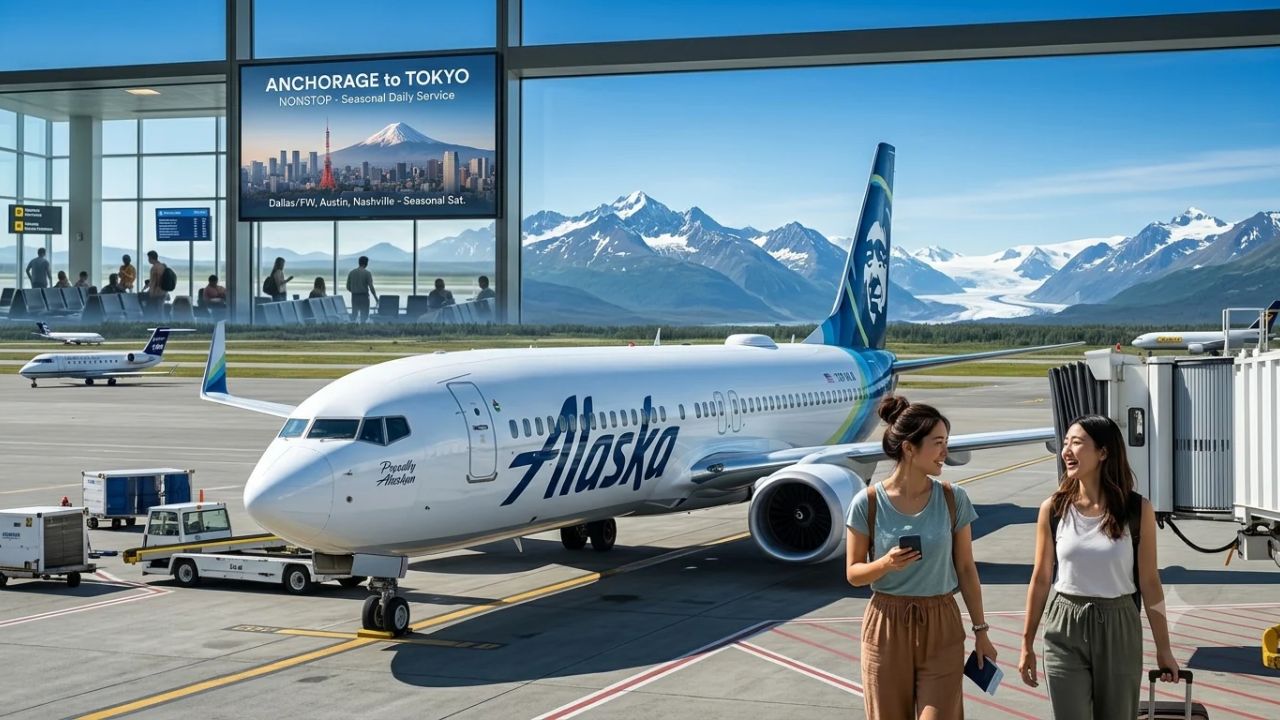
Ultra-Comfortable Budget Flights: How Singapore, Japan, Malaysia, and Spain Are Redefining Long-Haul Low-Cost Air Travel

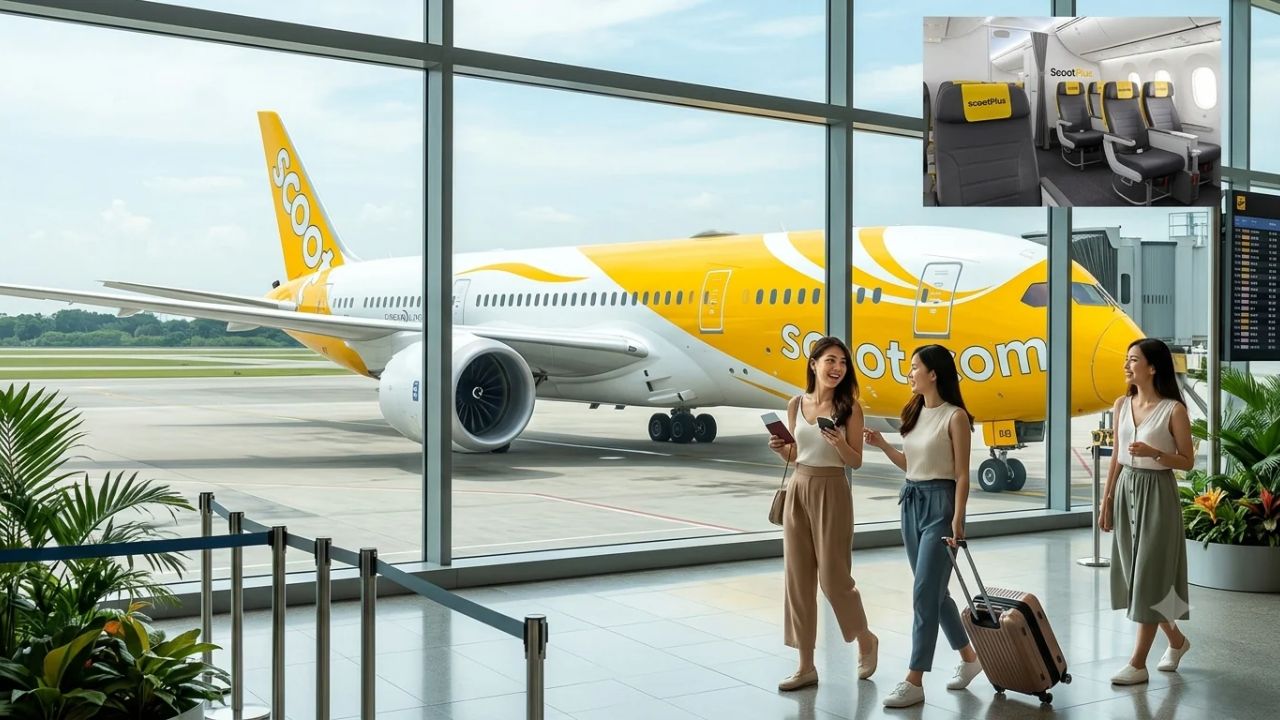
Hybrid budget airlines including Scoot, ZIPAIR, and AirAsia X are deploying widebody aircraft to offer comfortable long-haul travel at affordable fares
[SINGAPORE, Oct 30, 2026] — A quiet revolution is sweeping across international commercial aviation as a pioneering cohort of hybrid low-cost carriers centered in Singapore, Japan, Malaysia, and Spain dismantles the long-standing belief that budget air travel must mean cramped seating, punitive ancillary fees, and inconvenient secondary airstrips.
[!NOTE] The Modern Hybrid Low-Cost Carrier (LCC) Model: Leading international operators are transforming long-haul value travel by pairing fuel-efficient widebody fleets—predominantly the Boeing 787 Dreamliner and Airbus A330—with transparent pricing structures and primary airport slots. Singapore's Scoot operates all-Dreamliner long-haul services featuring 31-inch economy pitch, dedicated child-free quiet zones, and ScootPlus premium cabins. Japan's ZIPAIR provides transpacific travelers with complimentary high-speed Wi-Fi and full lie-flat business-style seating out of Tokyo Narita. Malaysia's AirAsia X maintains lie-flat Premium Flatbeds on medium- and long-haul routes connecting Australasia and Asia, while Spain's LEVEL and Vueling anchor operations at primary hubs in Barcelona and Madrid, offering direct transatlantic and intra-European connectivity without hidden penalties.
THE HYBRID LOW-COST CARRIER (LCC) VALUE ARCHITECTURE
| Column 1 |
|---|
| [ STRATEGIC HUBS ] [ FLEET & CABIN INNOVATIONS ] |
| - Singapore Changi (SIN): World's premier transit hub - Boeing 787 Dreamliners & A330s |
| - Tokyo Narita (NRT): Transpacific gateway - 6,000-ft cabin altitude pressure |
| - Kuala Lumpur Intl (KUL): Pan-Asian connecting node - Higher cabin humidity levels |
| - Barcelona El Prat (BCN) & Madrid (MAD): European gates - Dimmable windows & quiet acoustics |
| +----------------------------+-----------------------------+ |
| v v |
| [ COMFORT & VALUE TIERS ] [ PRIMARY AIRPORT ADVANTAGE ] |
| - Scoot: ScootPlus & Scoot-in-Silence Quiet Zones - Operations out of central gateways |
| - ZIPAIR: Affordable Full Lie-Flat Beds & Free Wi-Fi - Avoids remote secondary airports |
| - AirAsia X: Lie-Flat Premium Flatbeds on A330s - Seamless interline connections |
| - LEVEL: Transatlantic direct links with premium economy - Lower ground transit transfer times |
| +----------------------------+-----------------------------+ |
| v |
| [ RESULT: LUXURY ATTRIBUTES AT ACCESSIBLE BUDGET FARES ] |
| - Substantial savings compared to legacy full-service carrier business/premium economy fares |
| - Complete passenger control over baggage, dining, seat selection, and digital connectivity |
The Evolution of Long-Haul Budget Flying: Moving Past the Cattle-Car Era
For the first three decades of low-cost aviation, budget airlines built their profitability around a relentless formula: maximum seat density, single-aisle narrowbody aircraft, turnaround times under thirty minutes, and flights routed into secondary or tertiary airports situated dozens of miles from major cities. Under this legacy ultra-low-cost carrier (ULCC) blueprint, comfort was intentionally subordinated to seat count. Passengers endured 28-inch seat pitch, non-reclining plastic seats, unyielding carry-on baggage enforcement, and flights landing at out-of-the-way airfields that required expensive ground transport into metropolitan downtowns.
While this austere model proved highly lucrative on short-haul point-to-point journeys within Western Europe and North America, applying it to flights exceeding six hours consistently failed. Long-haul budget ventures in the early 2000s struggled with passenger fatigue, poor operational reliability, high fuel burn on aging widebody aircraft, and the inability to attract higher-spending business or premium leisure travelers.
The current landscape has shifted fundamentally. A new generation of operators—backed by established aviation groups including Singapore Airlines, Japan Airlines, Capital A, and International Airlines Group (IAG)—has pioneered the hybrid low-cost carrier model. Instead of treating passenger comfort as an unwanted expense, these airlines recognize that comfort can be unbundled, engineered efficiently, and sold transparently.
By acquiring technologically advanced widebody aircraft such as the carbon-composite Boeing 787 Dreamliner and new-generation Airbus A330neo jets, these carriers achieve fuel efficiencies that keep baseline operating costs down. They pass these structural savings to passengers in the form of low base fares, while offering optional premium seating, quiet cabin sections, gourmet dining choices, and high-speed satellite connectivity at price points that remain a fraction of traditional full-service business class tickets.
LEGACY ULCC MODEL VS. MODERN HYBRID LCC MODEL
| Column 1 |
|---|
| Operational Dimension Legacy ULCC Archetype Modern Hybrid LCC Paradigm |
| -------------------------------------------------------------------------------------------- |
| Fleet Philosophy Narrowbody only (737/A320) Twin-aisle widebodies (787/A330) |
| Airport Selection Secondary/Remote airstrips Primary Tier-1 international hubs |
| Cabin Environment Standard high-altitude dry Higher humidity, 6,000-ft altitude |
| Seating Configurations Uniform dense economy (28") Multi-tier: Economy to Lie-Flat Beds |
| Wi-Fi & Connectivity Non-existent or costly High-speed satellite (often free) |
| Parent Group Backing Independent startup venture Major legacy airline backing |
| Target Journey Length Short-haul (under 3 hours) Medium & Long-haul (5 to 14 hours) |
Singapore and Scoot: Setting the Intercontinental Benchmark for Budget Comfort
Singapore has long served as a global beacon for high-end aviation, anchored by its flag carrier Singapore Airlines and its world-renowned base at Singapore Changi Airport (SIN). Through Scoot, its wholly owned budget subsidiary, Singapore has demonstrated that low-cost travel can coexist with genuine long-haul passenger comfort.
Scoot has avoided the common low-cost pitfall of operating older, fuel-thirsty aircraft on intercontinental routes. Instead, the airline operates a modern widebody fleet consisting of Boeing 787-8 and Boeing 787-9 Dreamliners alongside regional Airbus A320neo and Embraer E190-E2 aircraft. For regulatory and safety details governing Singapore's international air transport policies and modern commercial aviation oversight, travelers can review guidance published by the Civil Aviation Authority of Singapore (CAAS).
The Boeing 787 Dreamliner Advantage
The foundation of Scoot's long-haul passenger comfort lies in the physical architecture of the Boeing 787 airframe. Built using advanced composite materials rather than aluminum, the Dreamliner allows cabin pressurization to an equivalent altitude of 6,000 feet rather than the 8,000 feet common on conventional airliners. This design difference means passenger bloodstreams absorb approximately 8% more oxygen throughout the journey, significantly curbing headaches, eye strain, and physical fatigue.
The composite structure does not corrode when exposed to moisture, enabling cabin environmental systems to maintain humidity levels between 15% and 25%—more than double the bone-dry conditions of older passenger jets. Combined with whisper-quiet engines, advanced acoustic insulation, and dimmable electrochromic windows that are 65% larger than standard aircraft windows, Scoot delivers an onboard environment that leaves travelers refreshed after long sectors to Australia, South Asia, East Asia, and Europe.
Seating Tiers and Child-Free Zones
In standard economy, Scoot maintains a respectable seat pitch of 31 inches, providing noticeable knee clearance for average-height travelers. However, the airline's real strength lies in its customizable comfort upgrades:
- ScootPlus: Positioned in a dedicated forward cabin, ScootPlus features wide leather recliner seats configured in a 2x3x2 layout with 38 inches of pitch and 22 inches of width. Passengers receive 30 kilograms of checked baggage, 15 kilograms of carry-on allowance, complimentary meals with beverages, power outlets, and Wi-Fi data vouchers. The cost of a ScootPlus seat is frequently one-third to one-half the price of a standard premium economy ticket on legacy international airlines.
- Scoot-in-Silence: For travelers seeking quiet rest without paying premium cabin prices, Scoot offers an exclusive child-free quiet zone located directly behind ScootPlus. Reserved exclusively for passengers aged twelve and above, this cabin prohibits infants and young children, providing an undisturbed atmosphere ideal for business professionals, digital nomads, and light sleepers.
The Changi Airport Transit Experience
A fundamental component of the Singapore value proposition is Singapore Changi Airport itself. Budget travelers transiting through Changi enjoy free access to tranquil butterfly gardens, indoor waterfalls, movie theaters, sleeping lounges, and reliable high-speed Wi-Fi. Unlike low-cost passengers in other parts of the world who are relegated to austere secondary terminals, Scoot passengers move through Changi's main terminals, experiencing first-rate dining and duty-free retail without paying legacy airline premiums.
SCOOT CABIN COMFORT & PRODUCT ARCHITECTURE
| Column 1 |
|---|
| Cabin Category Seat Pitch / Width Special Amenities Included Target Traveler |
| -------------------------------------------------------------------------------------------- |
| ScootPlus 38 in / 22 in Leather recliner, 30kg bag, meals Value executive |
| Super / Stretch Seats34 in / 18 in Extra legroom, early boarding Tall travelers |
| Scoot-in-Silence 31 in / 18 in Quiet zone, ages 12+, headrests Solo & business |
| Standard Economy 31 in / 18 in Standard ergonomic seating Budget leisure |
| -------------------------------------------------------------------------------------------- |
| Fleet Environment: Boeing 787-8/9 Dreamliners with 6,000-ft cabin altitude and high humidity |
Japan and ZIPAIR: Japanese Hospitality Paired with Lie-Flat Luxury
While Singapore pioneered the Dreamliner budget model in Southeast Asia, Japan has refined the concept into a minimalist, high-tech experience through ZIPAIR Tokyo, a subsidiary established by Japan Airlines (JAL) in 2018.
Based at Tokyo Narita International Airport (NRT), ZIPAIR represents one of the most innovative hybrid low-cost carriers in the global airline industry. Operating an exclusive fleet of Boeing 787-8 Dreamliners configured for long-range transpacific and Asian routes, ZIPAIR connects Tokyo directly with major North American gateways—including Los Angeles, San Francisco, San Jose, Honolulu, and Vancouver—alongside key Asian capitals like Seoul, Bangkok, Singapore, and Manila.
Affordable Full-Flat Business Comfort
The defining product of ZIPAIR is its "ZIP Full-Flat" cabin. Instead of traditional recliner seats, ZIPAIR equips the forward section of its 787-8 aircraft with genuine lie-flat seats arranged in a private 1x2x1 reverse herringbone configuration. Every passenger in this cabin enjoys direct aisle access, complete horizontal recline into a 180-degree bed, personal reading lamps, and dedicated power sockets.
On traditional legacy carriers operating across the Pacific, a lie-flat business class ticket routinely costs between $3,500 and $7,000 round-trip. In contrast, ZIPAIR frequently offers its Full-Flat beds between $800 and $1,500 one-way. This pricing structure has made flatbed transpacific travel accessible to self-employed entrepreneurs, small business owners, retired couples, and comfort-seeking vacationers who previously could only afford standard economy.
Transparent Pricing and Free Inflight Wi-Fi
ZIPAIR differentiates itself through radical operational simplicity and digital convenience:
- Complimentary High-Speed Wi-Fi: While even top-tier full-service airlines often charge $15 to $30 for internet access on transpacific flights, ZIPAIR provides free high-speed Wi-Fi to every passenger on board, regardless of ticket class. Travelers can browse the internet, stream messaging applications, and remain productive throughout ten-hour ocean crossings.
- Smartphone-Centric Service: Passengers order duty-free merchandise, snacks, and beverages directly through their personal smartphones via an onboard intranet portal, eliminating the disruption of noisy flight attendants pushing heavy service carts down the aisles.
- Unbundled Gourmet Dining: Rather than serving generic airline meals with mandatory surcharges built into ticket prices, ZIPAIR allows passengers to pre-order authentic Japanese cuisine—including chicken katsu curry, unagi donburi, and wagyu beef bowls—prepared to high culinary standards for reasonable fees.
In standard economy, ZIPAIR offers a comfortable 31-inch seat pitch with black artificial leather seating, adjustable headrests, and spacious seatback device holders designed to hold tablets and smartphones at eye level for hands-free entertainment.
ZIPAIR TOKYO TRANSPACIFIC VALUE SPECIFICATIONS
| Product Component Legacy Transpacific Carrier ZIPAIR Tokyo Model |
|---|
| -------------------------------------------------------------------------------------------- |
| Lie-Flat Business Seat $3,500 - $7,000 (Round-trip) $800 - $1,500 (One-way base) |
| Inflight Wi-Fi Cost $15 - $30 per flight session 100% Free for all passengers |
| Seat Aisle Access (Premium) Varies (often 2x2x2) Direct aisle access (1x2x1 layout) |
| Cuisine Delivery Model Preset airline tray meals A la carte gourmet Japanese pre-order |
| Economy Seat Pitch 31 to 32 inches 31 inches (with device holder) |
| Primary Transit Hub Tokyo Haneda or Narita Tokyo Narita (NRT) Terminal 1 |
Malaysia and AirAsia X: The Pioneer of Lie-Flat Budget Travel
No analysis of comfortable budget aviation is complete without examining Malaysia, the home market of AirAsia. Since its inception, AirAsia has stood as the undisputed pioneer of affordable air travel across the Asia-Pacific region, democratizing aviation for hundreds of millions of travelers.
While AirAsia's short-haul subsidiary operates high-frequency narrowbody routes using Airbus A320 and A321 aircraft, its long-haul affiliate, AirAsia X, reshaped the medium- and long-haul budget segment by introducing the "Premium Flatbed" on its widebody Airbus A330-300 fleet.
The Iconic Premium Flatbed Experience
Operating out of Kuala Lumpur International Airport's dedicated low-cost terminal (KLIA Terminal 2), AirAsia X deploys twin-aisle Airbus A330s on routes extending from Malaysia to Australia, New Zealand, Japan, South Korea, China, India, and Saudi Arabia.
The Premium Flatbed cabin features twelve forward-facing seats configured in a 2x2x2 layout:
- Dimensions and Ergonomics: The seats feature a generous 60-inch pitch that reclines into a full flatbed measuring 78 inches in length and 19 inches in width.
- Inclusive Value Additions: Travelers booking the Premium Flatbed receive priority check-in, priority boarding, 40 kilograms of checked baggage, a complimentary hot meal, a soft pillow, and a plush duvet blanket.
- Lounge Privileges: Passengers departing from Kuala Lumpur also gain complimentary access to the AirAsia Premium Red Lounge at KLIA Terminal 2, complete with private shower facilities, buffet dining, workstations, and high-speed internet.
For budget-conscious travelers flying overnight sectors—such as the eight-hour route between Sydney and Kuala Lumpur—the Premium Flatbed provides genuine sleep quality at a fare often lower than standard economy on full-service carriers during peak holiday periods.
Punctuality and Fleet Modernization
AirAsia Group maintains strict operational cleanliness and high aircraft utilization rates, managing one of the most reliable on-time performance records in Southeast Asia. The group's transition toward new Airbus A330neo and A321neo aircraft delivers improved cabin acoustics, reduced engine emissions, and expanded point-to-point route opportunities, allowing travelers to reach secondary Asian destinations without paying costly legacy airline connection fees.
AIRASIA X PREMIUM FLATBED SPECIFICATION MATRIX
| Feature Dimension Operational Metric Passenger Benefit |
|---|
| -------------------------------------------------------------------------------------------- |
| Pitch / Recline Length 60-inch pitch / 78-inch bed True horizontal sleeping comfort |
| Seat Width 19 inches Ergonomic contoured leather padding |
| Baggage Inclusions 40 kg Checked + 7 kg Carry-on Ample capacity for long-haul trips |
| Airport Privileges Priority Lane + Red Lounge Private showers & hot food at KLIA |
| Inflight Dining Complimentary hot meal Authentic Southeast Asian cuisine |
| Bedding Package Pillow & premium duvet Enhanced sleep on overnight sectors |
Spain, Vueling, and LEVEL: European Primary Hub Low-Cost Aviation
While Asia leads the adoption of widebody budget comfort, Spain has established itself as Europe's premier testing ground for refined, comfortable low-cost aviation. Spearheaded by carriers within International Airlines Group—principally Vueling and long-haul low-cost operator LEVEL—Spain offers a refreshing alternative to traditional European budget flying.
The Primary Airport Advantage: Barcelona and Madrid
The foundational distinction of Spanish low-cost operators is their commitment to primary international hubs. Unlike conventional ultra-low-cost European carriers that advertise €19 fares but fly into isolated airports located 60 to 90 miles from destination cities (such as Paris-Beauvais or Frankfurt-Hahn), Spanish operators base their operations directly at:
- Barcelona–El Prat (BCN): Located just eight miles from downtown Barcelona, with direct metro, commuter train, and express bus connections reaching the city center in twenty minutes.
- Madrid–Barajas (MAD): Spain's premier aviation gateway, featuring state-of-the-art terminal infrastructure and immediate underground metro links to central Madrid.
By operating out of primary airports, carriers like Vueling and Iberia Express save passengers hours of stressful ground transportation and tens of euros in regional bus or taxi fares, fundamentally altering the real cost-benefit calculation of budget travel.
LEVEL: Affordable Transatlantic Long-Haul Comfort
Founded in 2017 to provide low-cost transatlantic travel from Barcelona, LEVEL operates a modern fleet of Airbus A330-200 widebody aircraft. The airline connects Catalonia directly with major cities across the Americas, including Buenos Aires, Santiago de Chile, New York JFK, Boston, Miami, and San Francisco.
LEVEL's cabin configuration reflects modern hybrid low-cost design:
- Premium Economy: Features 21 dedicated recliner seats in a 2x3x2 layout with 37 inches of pitch, adjustable headrests, footrests, three-course meals, checked baggage, and personal seatback entertainment screens.
- Ergonomic Economy: Configured in a 2x4x2 arrangement with a comfortable 30-inch pitch, seatback screens at every seat, and power outlets. Passengers can purchase customized bundles that include checked baggage, meals, and flexible ticket changes.
Vueling: Connecting Europe and North Africa
For intra-European and Mediterranean links, Vueling operates one of the continent's largest narrowbody fleets, consisting of Airbus A320 and A321 aircraft. Rather than stripping cabins down to bare essentials, Vueling incorporates slimline ergonomic seating, dedicated overhead bin reservations for priority customers, and an intuitive digital app that allows passengers to adjust travel plans effortlessly. Operating from Barcelona and Madrid, Vueling provides smooth feeder links for passengers connecting onto long-haul flights across Europe, North Africa, and the Middle East.
SPANISH LOW-COST COMFORT & ACCESS COMPARISON
| Carrier Name Primary Hub Operating Fleet Comfort Highlight Network Focus |
|---|
| -------------------------------------------------------------------------------------------- |
| LEVEL Barcelona (BCN) Airbus A330-200 37-in Premium Econ Transatlantic |
| Vueling Barcelona (BCN) Airbus A320/A321neo Primary hub access Europe & N. Africa |
| Iberia Express Madrid (MAD) Airbus A320/A321neo Club Express seating Domestic & Europe |
| -------------------------------------------------------------------------------------------- |
| Core Advantage: Direct access to central metropolitan airports, avoiding secondary airstrips |
Comparative Analysis of the Four Leading Global Budget Hubs
To assist travelers in selecting the ideal hybrid low-cost carrier for their next journey, the following comprehensive matrix outlines the operational capabilities, fleet assets, and comfort amenities across Singapore, Japan, Malaysia, and Spain:
GLOBAL HYBRID LOW-COST CARRIER BENCHMARK TABLE
| Country Key Carrier Primary Hub Fleet Types Econ Pitch Standout Comfort Feature |
|---|
| -------------------------------------------------------------------------------------------- |
| Singapore Scoot Changi (SIN) Boeing 787-8/9 31 in ScootPlus & Quiet Zones |
| Airbus A320/A321neo (Scoot-in-Silence) |
| Japan ZIPAIR Narita (NRT) Boeing 787-8 31 in Free High-Speed Wi-Fi |
| Affordable Full Lie-Flat |
| Malaysia AirAsia X Kuala Lumpur Airbus A330-300 28-30 in Lie-Flat Premium Flatbed |
| (KLIA2) Airbus A321neo Lounge Access at KLIA |
| Spain LEVEL & Barcelona Airbus A330-200 28-30 in Primary Tier-1 Hub Access |
| Vueling (BCN) & MAD Airbus A320/A321 Transatlantic Premium Econ |
| -------------------------------------------------------------------------------------------- |
| Synthesis: Modern widebody fleets deliver lower fuel burn, translating into affordable luxury |
The Engineering Behind the Low Fares: Why Modern Fleets Make Comfort Affordable
A persistent question asked by frequent flyers is how hybrid budget carriers can offer widebody aircraft, extra legroom, and lie-flat beds while charging a fraction of legacy airline fares. The answer lies in fleet age, propulsion engineering, and high aircraft utilization rates.
1. Fuel Burn Reduction on New-Generation Widebodies
Fuel represents the largest single operating expenditure for any airline, typically consuming between 25% and 40% of total operating budgets. Older widebody aircraft—such as the Boeing 747, Boeing 767, and early Airbus A340 four-engine jets—consumed vast quantities of aviation fuel, making long-haul low-cost operations economically impossible.
In contrast, the Boeing 787 Dreamliner and Airbus A330neo utilize advanced aerodynamic wing designs and high-bypass turbofan engines (such as the Rolls-Royce Trent 1000 and General Electric GEnx). These powerplants produce a 20% to 25% reduction in fuel consumption per passenger seat compared to the airliners they replaced. By operating young, standardized fleets of these twin-engine jets, carriers like Scoot and ZIPAIR operate with dramatically lower fuel expenses, giving them the financial headroom to sell seats at attractive price points without incurring losses.
2. High Aircraft Utilization and Turnaround Efficiency
Legacy network airlines frequently keep long-haul widebody aircraft parked on the ground for eight to twelve hours between flights to accommodate rigid international arrival and departure banks that align with business connecting flights.
Hybrid budget carriers operate under a different philosophy: an aircraft only generates revenue when it is in the air. By scheduling tight turnarounds and flying point-to-point sectors, airlines like ZIPAIR, Scoot, and AirAsia X achieve aircraft utilization rates exceeding twelve to fourteen flight hours per day. Spreading fixed capital costs (such as aircraft lease payments and hull insurance) across more flight hours lowers the operating cost per available seat kilometer (ASK), allowing ticket prices to remain low across the entire cabin.
3. Ancillary Unbundling and Ancillary Revenue Architecture
Unlike full-service carriers that bundle checked luggage, meals, alcohol, and seat selection into a single expensive ticket, hybrid carriers allow passengers to pay only for the services they require. Travelers carrying only cabin baggage pay the lowest possible base fare, while those wanting checked baggage, gourmet hot meals, and priority boarding can purchase bundled packages. This unbundled structure provides complete transparency, ensuring that budget travelers do not cross-subsidize services they never use.
FINANCIAL & OPERATIONAL DRIVERS OF HYBRID CARRIERS
| Column 1 |
|---|
| Operational Driver Engineering & Commercial Mechanism Passenger Financial Impact |
| -------------------------------------------------------------------------------------------- |
| Composite Aerostructures Lightweight airframes burn less fuel Lower baseline ticket prices |
| Engine Advancements 20-25% lower fuel consumption Insulation against oil spikes |
| High Fleet Utilization 12-14 operating flight hours per day Spreads fixed capital costs |
| A La Carte Unbundling Ancillary revenue for extra services Complete passenger cost control |
| Digital Direct Bookings Reduced global distribution fees Savings passed on directly |
How Savvy Travelers Can Build Luxury Experiences on Budget Fares
Traveling on a hybrid low-cost carrier does not mean sacrificing comfort. By employing strategic booking techniques, experienced travelers can construct a near-business-class experience while spending less than standard economy on a legacy airline.
1. Target Premium Flatbed and Lie-Flat Inventory Early
Lie-flat cabins on carriers like ZIPAIR and AirAsia X represent some of the most sought-after inventory in international aviation. Because these cabins feature limited seating (typically 12 to 30 seats per aircraft), fares increase as departure dates approach.
- Book between three and six months in advance to secure baseline promotional rates.
- Compare the one-way price of a ZIPAIR Full-Flat seat against legacy economy fares on routes like Tokyo to Los Angeles or San Francisco; the price difference is often negligible, providing an extraordinary upgrade in comfort.
2. Leverage Child-Free Quiet Zones
When flying on Scoot's Boeing 787s, select a seat in the "Scoot-in-Silence" cabin. The modest upgrade fee (usually between $15 and $30 per sector) secures a seat in a tranquil cabin reserved exclusively for adult passengers, complete with adjustable headrests and priority deplaning.
3. Combine Hybrid Long-Haul Fares with Independent Lounge Passes
One of the primary perks of full-service business class travel is access to airport lounges. Budget travelers can easily replicate this amenity by using airport lounge membership programs (such as Priority Pass or DragonPass) or purchasing one-time lounge passes through platforms like LoungeKey.
- In hubs like Singapore Changi, Kuala Lumpur, and Tokyo Narita, independent lounges offer hot buffets, private showers, barista coffee, and quiet workspaces for approximately $35 to $50 per visit.
- Pairing an affordable hybrid airline ticket with an independent lounge pass delivers an elevated airport experience at a fraction of the cost.
4. Pre-Order Specialty Meals Online
Onboard food purchased spontaneously from flight attendant carts often features limited selections. By pre-ordering meals online through airline mobile apps at least 48 hours prior to departure, travelers unlock gourmet menus—such as ZIPAIR's authentic Japanese dishes or AirAsia's renowned Pak Nasser's Nasi Lemak—while saving up to 20% compared to onboard prices.
5. Strategic Luggage Management and Fare Bundling
Managing baggage allowances is an essential skill when maximizing value on hybrid airlines. Because low-cost carriers enforce strict dimensional and weight limits for cabin baggage, travelers should invest in lightweight luggage and portable digital luggage scales.
Rather than purchasing checked baggage allowances at the airport check-in counter—where fees can double or triple—passengers should evaluate bundled fare packages during initial booking. Airlines like Scoot and LEVEL offer bundled tiers that combine checked baggage, advance seat assignment, and hot meals for a bundled surcharge that is significantly cheaper than purchasing each amenity separately. By calculating anticipated luggage requirements beforehand, travelers protect their budgets from unexpected terminal excess fees while securing peace of mind.
SAVVY TRAVELER HYBRID BOOKING BLUEPRINT
| Column 1 |
|---|
| Step 1: Secure Base Ticket Book promotional lie-flat or widebody economy 3-6 months early |
| Step 2: Add Selective Comfort Select quiet zones (Scoot-in-Silence) or extra legroom seats |
| Step 3: Pre-Order Dining Reserve authentic meals online 48 hours ahead for discounts |
| Step 4: Unlock Lounge Access Use Priority Pass or buy single-entry lounge passes at hubs |
| Step 5: Pack Digital Gear Bring noise-canceling headphones & tablet for streaming Wi-Fi |
| -------------------------------------------------------------------------------------------- |
| Outcome: A luxury long-haul journey delivered at 60-70% lower cost than full-service business |
Strategic Outlook: The Future of Global Hybrid Aviation
The growing success of hybrid carriers across Singapore, Japan, Malaysia, and Spain marks a permanent turning point in commercial aviation. The rigid historical division between ultra-austere low-cost carriers and full-service legacy airlines is dissolving into a dynamic spectrum of choice.
As more airlines order fuel-efficient widebody aircraft like the Boeing 787 and Airbus A330neo, and as single-aisle long-range jets like the Airbus A321XLR enter commercial service, the hybrid model will expand across additional intercontinental corridors. Long-haul routes connecting North America to Europe, Australia to Southeast Asia, and India to East Asia will increasingly be operated by carriers offering unbundled luxury, modern cabin acoustics, and transparent pricing.
The arrival of extra-long-range narrowbody aircraft—most notably the Airbus A321XLR, capable of non-stop flights lasting up to eleven hours—will further accelerate this shift. Hybrid carriers will be able to bypass congested mega-hubs and connect secondary city pairs directly, eliminating connection friction for passengers while keeping operating costs low. Equipped with modern Airspace cabins and lie-flat seating in forward sections, these aircraft will expand affordable comfort to entirely new international routes.
For international travelers, this evolution brings welcome democratization. High-comfort long-haul air travel—characterized by restful sleep, quiet cabins, fresh air, and dignified service—is no longer the exclusive preserve of corporate expense accounts. By embracing the hybrid aviation models pioneered in Singapore, Tokyo, Kuala Lumpur, and Barcelona, travelers worldwide can explore the globe in exceptional comfort without breaking their financial budgets.
Frequently Asked Questions (PAA)
What is a hybrid low-cost airline, and how does it differ from traditional budget carriers?
A hybrid low-cost airline blends the operational efficiency and unbundled pricing of a traditional budget carrier with premium features typically found on full-service airlines. Unlike legacy ultra-low-cost airlines that operate cramped narrowbody jets into remote secondary airports, hybrid carriers deploy modern widebody aircraft (such as Boeing 787s and Airbus A330s) from primary international hubs. They offer optional premium seating tiers—including premium economy and full lie-flat beds—complimentary or low-cost Wi-Fi, and customizable travel bundles, allowing passengers to purchase luxury comfort at accessible prices.
How does flying on a Boeing 787 Dreamliner with Scoot or ZIPAIR improve comfort?
The Boeing 787 Dreamliner features an advanced carbon-composite fuselage that allows the cabin to be pressurized to an equivalent altitude of 6,000 feet rather than the standard 8,000 feet of conventional airplanes. This increased air pressure allows passengers to absorb more oxygen, significantly reducing headaches and fatigue. In addition, the composite structure permits higher cabin humidity levels (15% to 25%), which prevents dry eyes and throat irritation. The Dreamliner also features larger dimmable windows, quieter engines, and advanced turbulence-dampening technology.
Which budget airlines offer lie-flat business-style seats on long-haul routes?
ZIPAIR Tokyo and AirAsia X are two of the most prominent low-cost carriers offering lie-flat seating. ZIPAIR features "ZIP Full-Flat" seats in a 1x2x1 reverse herringbone configuration with direct aisle access on its Boeing 787-8 fleet operating across the Pacific and East Asia. AirAsia X offers the "Premium Flatbed" on its Airbus A330 aircraft, providing 60 inches of pitch that extends into a 78-inch flatbed, along with priority boarding, 40kg baggage allowance, complimentary meals, and lounge access at Kuala Lumpur.
Is inflight Wi-Fi free on hybrid low-cost airlines?
Wi-Fi policies vary by airline. ZIPAIR Tokyo is notable for providing complimentary high-speed internet to every passenger across all cabin classes on its Boeing 787 fleet, allowing travelers to browse the web and send messages without paying fees. Scoot and AirAsia offer satellite Wi-Fi for purchase or include data vouchers for passengers booked in premium cabins such as ScootPlus.
Why do Spanish budget carriers like Vueling and LEVEL have an advantage over other European budget airlines?
Spanish low-cost carriers prioritize operations out of primary international hubs—principally Barcelona–El Prat (BCN) and Madrid–Barajas (MAD)—rather than remote secondary airfields located far outside major metropolitan areas. This primary airport strategy saves passengers significant ground transport time and transfer costs. In addition, LEVEL operates widebody Airbus A330 aircraft offering budget transatlantic flights directly to the Americas, while Vueling provides extensive connecting networks across Europe and North Africa.
Related Travel Guides
This article is for informational purposes. Flight routes, passenger regulations, visa rules, and transit advisories are subject to change by airlines and aviation authorities. Readers are advised to verify schedules and travel documentation with relevant carriers and border agencies before departure.
Related Stories
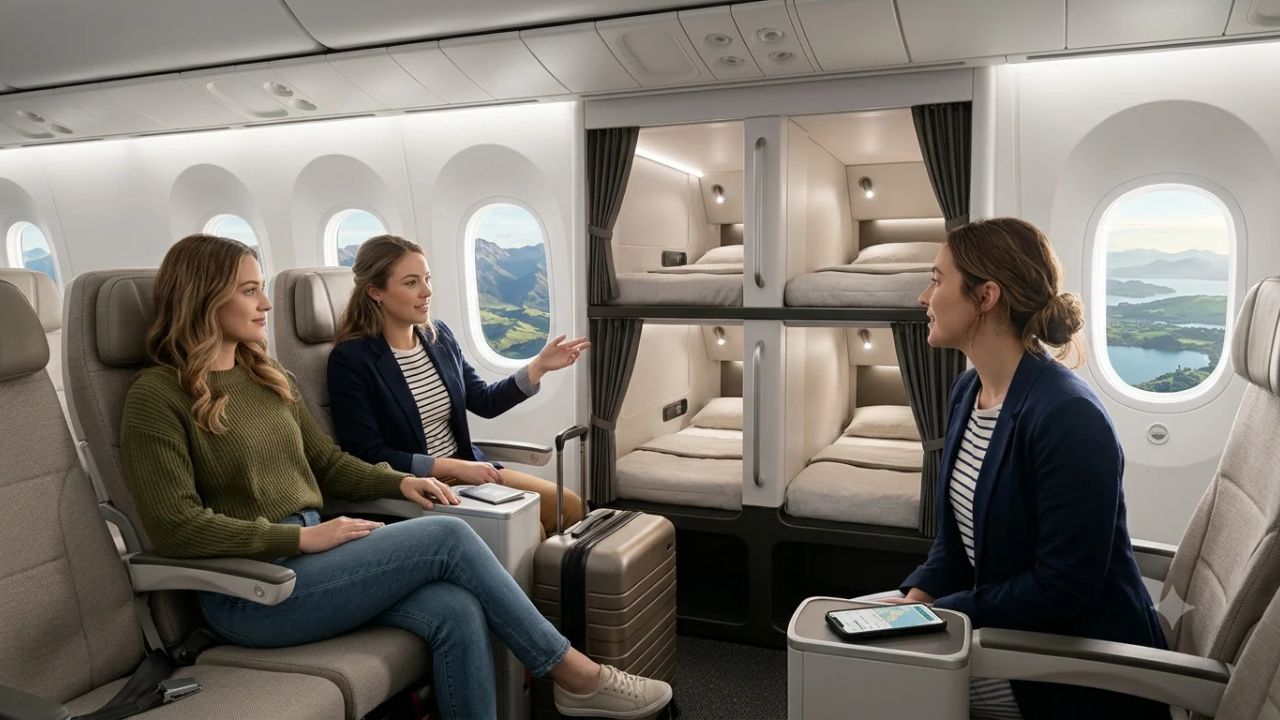
Air New Zealand Delays Skynest Sleep Pods to May 2027: Impact on Auckland–New York Flights and Summer Travel
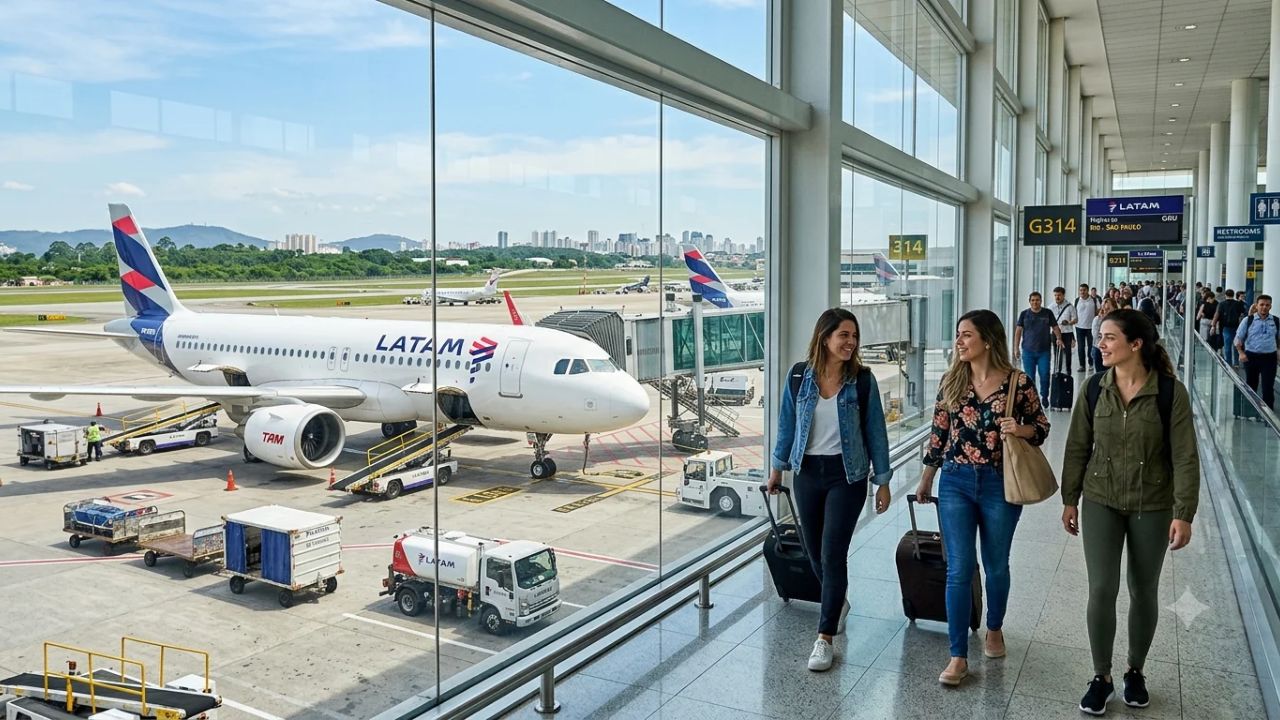
Brazil Nears 100 Million Air Passengers in 2026 Amid Divergent Global Aviation Growth