
Air China Resumes Pyongyang Flights After 6-Year Hiatus: Unexpected Halt Strands Travelers Amid Low Demand Crisis
Air China's bold return to Pyongyang after six years ends abruptly as low passenger demand forces service suspension, disrupting international travel plans.

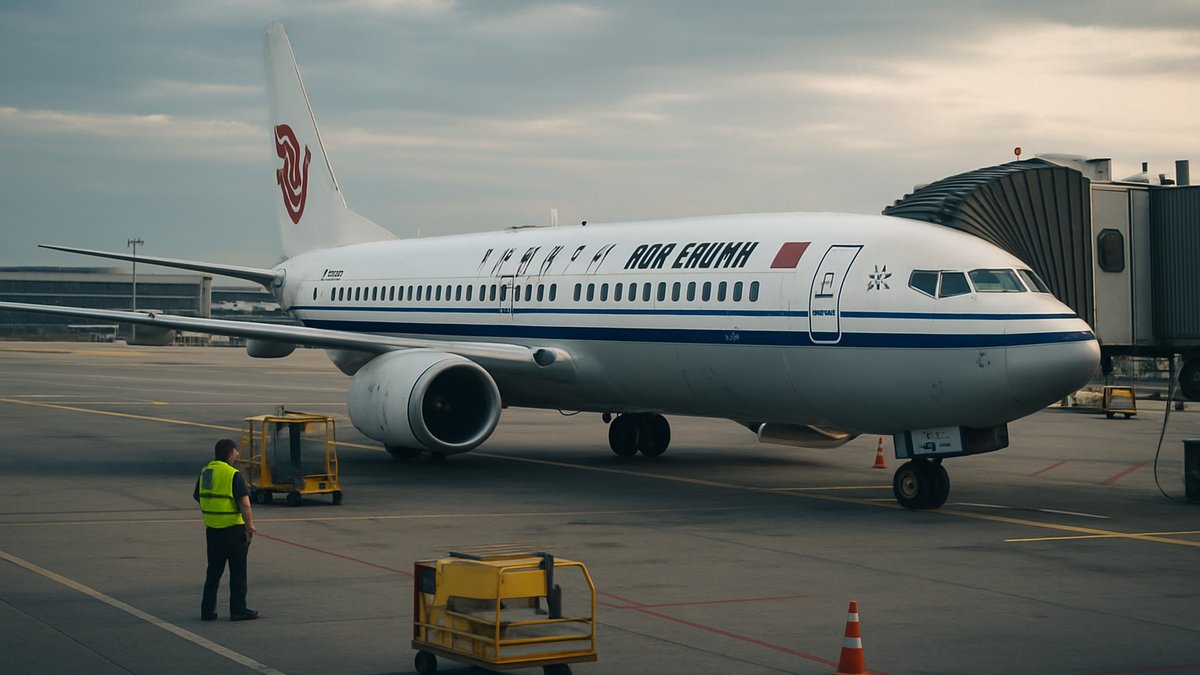
Image generated by AI
In a stunning reversal that has left international travelers scrambling to rebook connections, Air China's highly publicized resumption of service to Pyongyang after a six-year operational hiatus has come to an abrupt halt due to unexpectedly low passenger demand. The carrier, which operates from its major hubs at Beijing Capital International Airport and Shanghai Pudong International Airport, launched the route with considerable fanfare but found itself unable to sustain operations as booking volumes fell dramatically short of projections. The sudden suspension has created significant travel disruption for the limited number of passengers who had committed to flying on this rare international corridor connecting Beijing to Pyongyang.
The decision to restart Pyongyang service represented a major strategic pivot for Air China, China's flagship carrier and a member of the Star Alliance network. After nearly six years of suspended operations on this route, the airline had invested in scheduling, crew training, and marketing efforts to reestablish connectivity between Beijing and North Korea's capital. However, the reality of market demand proved far more challenging than anticipated. The unexpected service halt has forced Air China to cancel all scheduled flights on this route, leaving passengers who had booked tickets facing the difficult prospect of rebooking on alternative carriers or receiving refunds. This disruption underscores the volatile nature of aviation markets in geopolitically sensitive regions and the inherent risks airlines face when attempting to serve destinations with limited international connectivity.
The low demand that precipitated this crisis reflects broader challenges in North Korea tourism and international travel to the isolated nation. While some diplomatic and humanitarian travelers had expressed interest in the restored Air China service, the volume of bookings never materialized at levels necessary to justify the operational costs and regulatory requirements associated with serving Pyongyang. Industry analysts note that travel to North Korea remains heavily restricted, with most international visitors requiring government-approved tour operators and facing significant visa complications. The collapse of Air China's Pyongyang service demonstrates that even major carriers with substantial resources cannot overcome fundamental market constraints when demand simply does not exist. According to the International Air Transport Association (IATA), route viability depends on consistent passenger loads, and the Pyongyang corridor failed to meet these essential thresholds.
Passengers affected by this disruption face considerable challenges in rerouting their travel plans. Those who had booked Air China flights from Beijing to Pyongyang must now explore alternative options, which are extremely limited given the scarcity of international carriers serving North Korea. Some travelers may need to consider routing through third-country connections or postponing their trips indefinitely. Air China has reportedly offered full refunds and rebooking assistance, though the practical options available remain severely constrained by the geopolitical realities of North Korean aviation. The airline's decision to suspend service represents a significant setback for those seeking direct connectivity between China's major aviation hubs and Pyongyang, and it raises questions about the long-term viability of international air service to the region.
This incident carries broader implications for the aviation industry's approach to emerging and geopolitically sensitive routes. Airlines must carefully balance strategic ambitions with realistic market assessments, particularly when entering markets with limited historical demand data and significant regulatory complexities. The U.S. Department of Transportation and other aviation authorities continue to monitor international route developments, especially those involving countries with restricted travel policies. Air China's experience with the Pyongyang route serves as a cautionary tale for carriers considering expansion into similar markets. The suspension also highlights how quickly aviation markets can shift when operational realities fail to align with initial projections, leaving both airlines and passengers vulnerable to sudden service disruptions.
For travelers currently planning trips to North Korea or considering flights from Beijing, Shanghai, or other major Chinese cities to Pyongyang, immediate action is essential. Contact Air China directly through their official website or customer service channels to understand your options regarding existing bookings. Verify alternative routing possibilities well in advance, as direct international service to Pyongyang remains extremely limited. Consider consulting with specialized travel agencies experienced in North Korea tourism, as they may have insights into emerging flight options or alternative travel arrangements. The suspension of Air China's Pyongyang service underscores the importance of booking flexibility and maintaining direct communication with airlines when traveling to destinations with restricted international connectivity.
Related Travel Guides
Disclaimer
This article is for informational and educational purposes only. It does not constitute legal, financial, or professional advice. While we strive to provide accurate and up-to-date information, travel policies, regulations, and conditions change rapidly. Always verify information with official sources before making travel decisions. Nomad Lawyer makes no representations about the accuracy, reliability, completeness, or suitability of the information provided. Readers should consult qualified professionals for advice specific to their circumstances. The views expressed in this article are those of the author and do not necessarily reflect the views of Nomad Lawyer.
Raushan Kumar
Founder & Lead Developer
Full-stack developer with 11+ years of experience and a passionate traveller. Raushan built Nomad Lawyer from the ground up with a vision to create the best travel and law experience on the web.
Learn more about our team →