
Delta's Multimillion-Dollar Fleet Dilemma: Why New Airbus A321neos Remain Grounded While Airline Scrambles for Solutions
Breaking airline news and aviation industry updates for 2026.

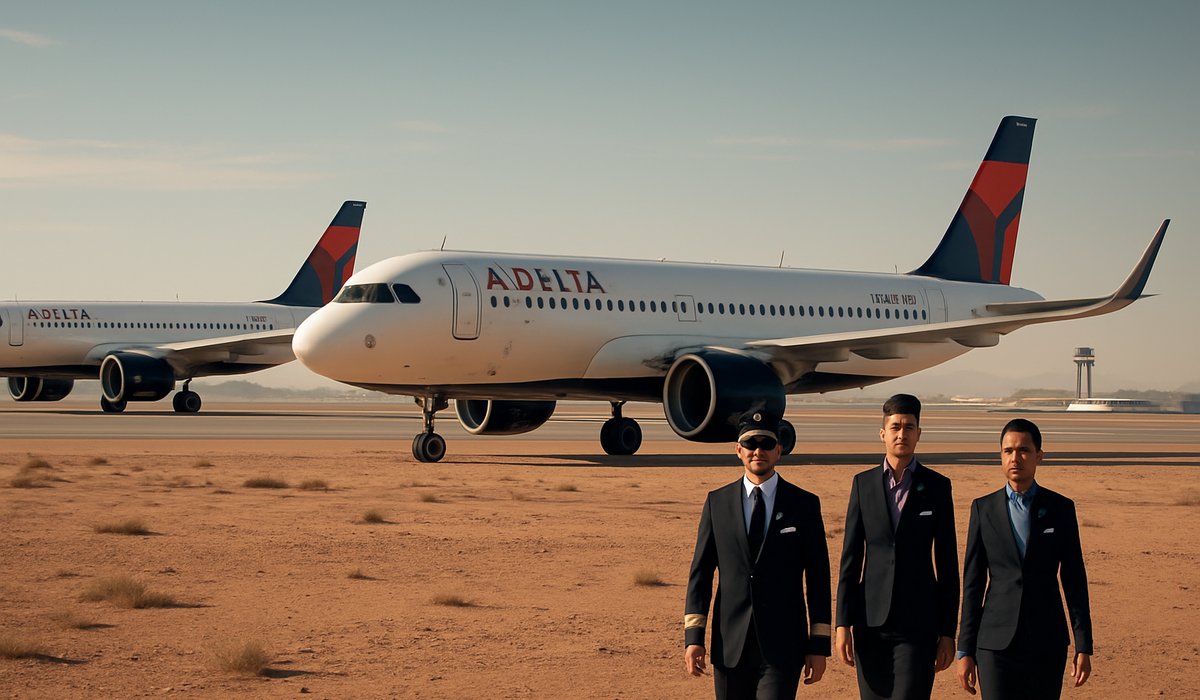
Image generated by AI
Delta's Multimillion-Dollar Fleet Dilemma: Why New Airbus A321neos Remain Grounded While Airline Scrambles for Solutions
A critical component shortage exposes vulnerability in aviation supply chains as carrier delays premium aircraft deployment
The Unexpected Impasse
Delta Air Lines faces an embarrassing operational puzzle: millions of dollars worth of gleaming new Airbus A321neo aircraft sit idle in desert storage facilities while the Atlanta-based carrier continues deploying aging regional jets on routes these aircraft were explicitly designed to serve. The situation underscores a rarely discussed reality in modern aviation—that even the world's largest carriers remain vulnerable to single-point failures in aircraft component sourcing.
The airline's newest narrowbody jets, delivered fresh from Airbus's European manufacturing facilities, were engineered to feature premium reclining seats in premium cabin configurations. However, a supply chain bottleneck involving these specific seating components has forced Delta to reconsider its entire deployment strategy, leaving brand-new aircraft worth hundreds of millions of dollars effectively mothballed while regional equipment continues operating on transcontinental and high-value routes.
Supply Chain Crisis Meets Fleet Strategy
The core issue stems from Delta's inability to secure sufficient quantities of the specialized reclining seats required for the A321neo's premium cabin configuration. Rather than compromise on the customer experience these aircraft promise, the airline made the strategic decision to keep the new planes on the tarmac rather than deploy them in a stripped-down configuration that would underutilize their revenue-generating potential.
This decision reflects broader vulnerabilities exposed across the aviation industry in recent years. Since pandemic-era supply chain disruptions and geopolitical tensions impacted manufacturing timelines, component sourcing has become increasingly unpredictable. Aircraft seat manufacturers, already operating at capacity to meet surging travel demand, have struggled to fulfill specialized orders for premium configurations.
Operational and Financial Implications
The grounding of multiple A321neos represents a significant financial drag on Delta's operational efficiency. These aircraft were specifically ordered to enhance the airline's competitive position on premium-heavy domestic and transatlantic routes—segments where differentiation through superior seating drives higher margins than economy offerings.
Meanwhile, the carrier's fleet of 44 regional turboprops and smaller jets continue shouldering workloads these new narrowbodies could absorb more efficiently, consuming more fuel per passenger and generating lower revenue yields on premium routes where demand for business-class seating remains robust.
Broader Industry Ramifications
The situation offers a cautionary tale for aviation investors and suppliers. As airlines invest in next-generation aircraft featuring enhanced cabin designs, the specialized components supporting those features remain vulnerable points in otherwise sophisticated supply chains. The aviation industry's recovery, while robust in passenger demand and ticket pricing, continues battling unresolved logistical complications inherited from pandemic-era disruptions.
Frequently Asked Questions
Why can't Delta deploy the A321neos without reclining seats? Premium cabin configurations drive significantly higher revenue per seat on routes where business travel dominates. Deploying these aircraft without their intended premium seating would sacrifice the financial returns that justified the aircraft investment in the first place.
How long have these aircraft been in storage? Multiple A321neos spent several months in desert facilities awaiting component availability, though exact timelines vary by individual aircraft and delivery schedules.
What does this mean for aviation supply chains going forward? The situation highlights ongoing vulnerabilities in specialized component sourcing, suggesting airlines and manufacturers must build greater redundancy into procurement strategies to prevent future disruptions.
How does jet fuel pricing impact decisions like these? Higher fuel costs make inefficient fleet utilization even more costly, adding urgency to Delta's need to deploy these fuel-efficient A321neos rather than continue operating less-efficient regional aircraft.
Could this delay affect Delta's competitive position? Yes—competing carriers deploying their newest narrowbodies gain efficiency advantages and better premium-cabin availability, potentially capturing market share on contested routes during this interim period.
Related Travel Guides
External Resources
Disclaimer
This article is for informational and educational purposes only. It does not constitute legal, financial, or professional advice. While we strive to provide accurate and up-to-date information, travel policies, regulations, and conditions change rapidly. Always verify information with official sources before making travel decisions. Nomad Lawyer makes no representations about the accuracy, reliability, completeness, or suitability of the information provided. Readers should consult qualified professionals for advice specific to their circumstances. The views expressed in this article are those of the author and do not necessarily reflect the views of Nomad Lawyer.
Raushan Kumar
Founder & Lead Developer
Full-stack developer with 11+ years of experience and a passionate traveller. Raushan built Nomad Lawyer from the ground up with a vision to create the best travel and law experience on the web.
Learn more about our team →