
Ryanair Demands Airport Alcohol Crackdown as UK, Ireland, Spain Face Rising Midair Passenger Chaos Crisis
Ryanair CEO Michael O'Leary intensifies push for strict airport alcohol controls across UK, Ireland, Spain as disruptive passenger incidents escalate on busy leisure routes to Mediterranean destinations.

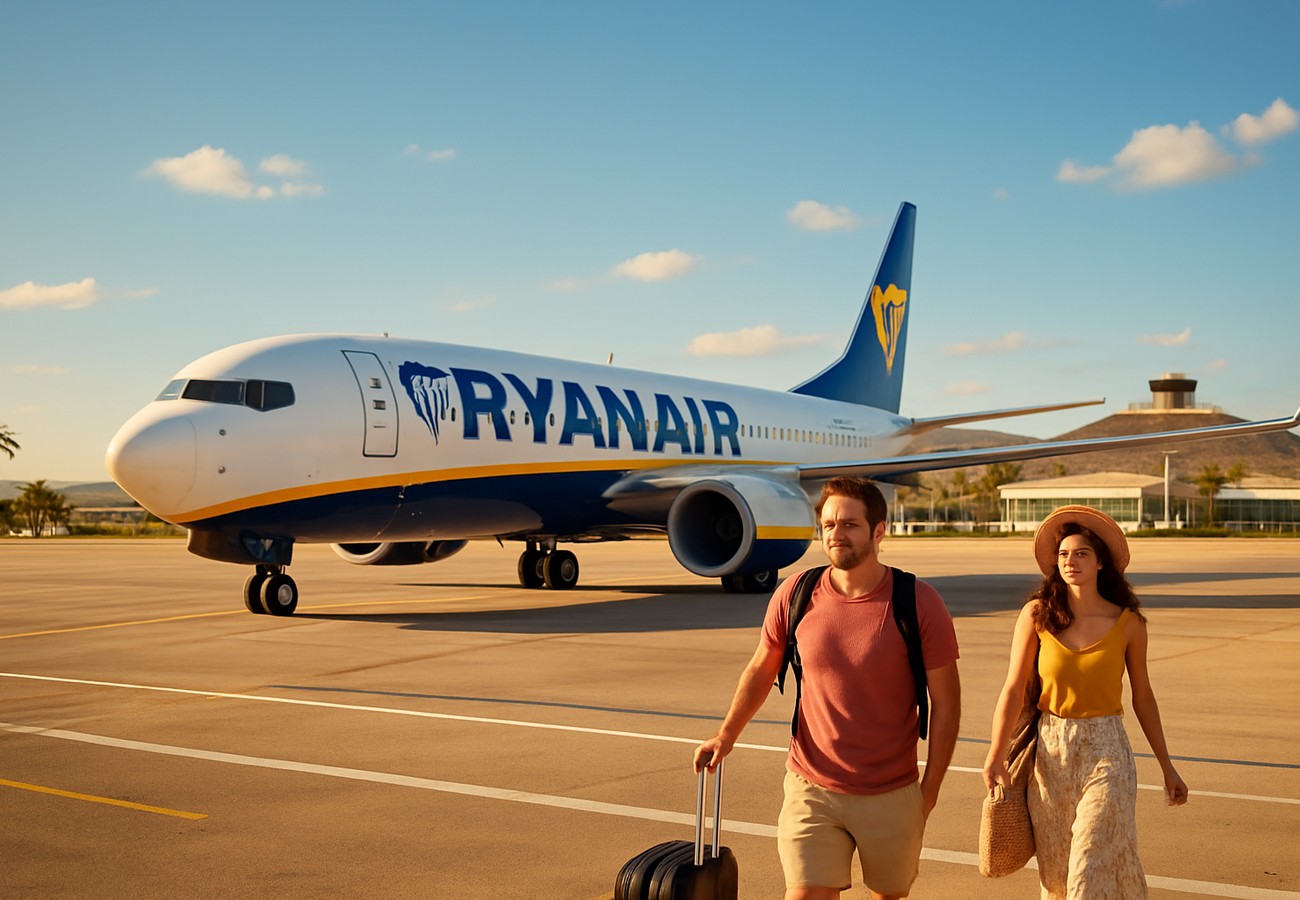
Image generated by AI
Ryanair Demands Urgent Airport Alcohol Crackdown Across UK, Ireland, and Spain as Disruptive Midair Passenger Incidents Escalate on Europe's Busiest Holiday Routes
European Aviation Safety Crisis Deepens as Low-Cost Carrier Warns Governments Must Act Before Catastrophic Event
The travel and tourism industry spanning the United Kingdom, Ireland, and Spain is confronting an escalating aviation safety crisis after Ryanair CEO Michael O'Leary escalated demands for sweeping airport alcohol controls in response to a dramatic surge in disruptive passenger incidents on Europe's most heavily trafficked leisure corridors. The outspoken airline executive has issued stark warnings that uncontrolled alcohol consumption in airport terminals is fueling near-daily onboard chaos, jeopardizing passenger safety, undermining tourism operations, and placing unprecedented strain on airlines servicing millions of holiday travelers heading to Mediterranean destinations.
The controversy has ignited fierce debate across aviation, hospitality, and tourism sectors as peak summer holiday season looms—a critical revenue period for airlines, airports, and beach destinations already navigating post-pandemic recovery pressures.
The Crisis: Dramatic Escalation of Intoxicated Passenger Disruptions
O'Leary has publicly stated that alcohol-related disruptive incidents have transformed from occasional disturbances into a near-daily operational emergency, forcing cabin crews to manage increasingly aggressive behavior, verbal abuse, and volatile passenger conduct at altitude. The airline chief argues that current airport licensing structures create dangerous conditions where travelers can consume unlimited alcohol before boarding—arriving at departure gates already heavily intoxicated and unpredictable.
The core problem: Unlike traditional city pubs and high-street bars, airport alcohol venues in the UK, Ireland, and across Europe operate under separate regulatory frameworks that permit around-the-clock service during early morning hours. Ryanair contends this regulatory loophole prioritizes commercial retail revenue over aviation safety while shifting operational consequences directly onto airlines and their crews.
O'Leary's proposal is unambiguous: strict prohibition on alcohol sales before early morning departures and a maximum two-drink limit per passenger inside airport terminals. The airline argues this represents the only viable pathway to mitigate escalating safety risks before a catastrophic incident forces governmental action.
The Route Network Under Siege: Mediterranean Party Destinations Bear the Brunt
The alcohol-fueled passenger chaos is most severe on Europe's busiest leisure corridors—the heavily trafficked routes linking the United Kingdom and Ireland with Spain's most popular party and beach destinations:
- Ibiza (Balearic Islands)
- Alicante (Costa Blanca)
- Tenerife (Canary Islands)
- Mallorca
- Barcelona
These routes are among the continent's highest-capacity leisure flight corridors, welcoming millions of young travelers annually seeking beach holidays, nightlife experiences, and party tourism. The concentration of alcohol-fueled passengers on tightly scheduled morning departures has created what Ryanair describes as a pressure cooker environment where cabin crew capacity is overwhelmed by intoxicated behavior before aircraft even reach cruise altitude.
Regulatory Battleground: Airport Licensing Systems Under Fresh Scrutiny
The dispute has reignited intense scrutiny of divergent airport alcohol licensing regulations across the UK and Ireland. Airport operators have historically resisted restrictions, arguing that:
- The overwhelming majority of travelers consume alcohol responsibly
- Retail and food-and-beverage revenue is critical to airport economics, particularly as post-pandemic traffic recovery continues
- Punitive restrictions unfairly penalize millions of law-abiding passengers for disruptive minority behavior
Airport authorities emphasize that existing laws already permit airlines and authorities to deny boarding to visibly intoxicated passengers and prosecute onboard disruptions. They argue stricter airport-level controls would unnecessarily damage the passenger experience and slash commercial revenue critical to aviation infrastructure investment.
However, the airline industry counters that boarding denial occurs too late—after passengers have already consumed excessive alcohol and demonstrated problematic behavior. The damage, they argue, is already done once intoxication levels reach departure gates.
Tourism Economy at Risk: Spain's Party Destinations Face Reputation Damage
Spain welcomes over 80 million international tourists annually, with the UK and Ireland representing major source markets. However, repeated incidents of alcohol-fueled passenger chaos risk damaging the international reputation of destinations already battling overtourism criticisms and local community concerns about nightlife excess.
Popular islands including Ibiza and Tenerife have faced mounting criticism from residents worried about alcohol-fueled tourism behavior and its community impact. The latest airline safety dispute threatens to intensify this debate and could reshape travel marketing strategies for party-focused destinations.
Tourism analysts warn that public perception of budget holiday travel—particularly on routes associated with nightlife tourism—could suffer if media coverage of disruptive passenger behavior continues escalating. This represents a significant threat to low-cost carriers and airport operators already managing tight profit margins.
Broader European Aviation Industry Struggles with Compounding Operational Pressures
Ryanair's safety warnings arrive amid a turbulent period for European airlines already managing:
- Record passenger volumes straining airport infrastructure
- Chronic staffing shortages affecting cabin crew capacity
- Weather-related disruptions and airspace congestion
- Tight flight schedules with minimal buffer capacity
Diversions caused by intoxicated passenger behavior trigger cascading delays, emergency landings in unscheduled locations, increased fuel consumption, regulatory penalties, and substantial operational cost spikes. Airlines argue these compounding factors make alcohol-related disruptions increasingly untenable operationally.
O'Leary has warned that governments may only respond after a catastrophic aviation event—a stark caution suggesting escalating frustration within the industry that regulatory action remains insufficient despite mounting incidents.
Industry Response: Airport Operators and Hospitality Sector Defend Commercial Interests
The hospitality and airport retail sectors have mounted defensive positions, emphasizing:
Economic Impact: Airport bars, restaurants, duty-free outlets, and retail venues generate critical revenue supporting airport operations, staff employment, and passenger services. Any restrictions on alcohol availability would directly impact financial sustainability, particularly at smaller regional airports.
Unfair Targeting: Airport operators argue the airline industry has failed to implement adequate onboard alcohol management protocols and crew training, shifting blame externally rather than addressing internal operational shortcomings.
Passenger Rights: Many argue that responsible travelers should not face restrictions due to disruptive minority behavior—a fairness argument that resonates with hospitality industry stakeholders.
Nevertheless, growing aviation safety concerns are intensifying regulatory pressure, and industry observers expect government intervention to become increasingly likely if incident reports continue escalating.
Government Response Expected During Peak Summer Tourism Season
The controversy is becoming a major policy issue for UK and Irish governments, who may face mounting pressure from airlines seeking tighter enforcement measures before the busy summer tourism season intensifies. European tourism observers predict that governmental action could reshape the airport experience itself, potentially introducing:
- Enhanced alcohol consumption monitoring and passenger screening
- Stricter boarding controls and intoxication assessment protocols
- Revised airport licensing frameworks with time-based restrictions
- Increased airport security and cabin crew training requirements
Expert Analysis: Why This Crisis Matters to Global Tourism
The Ryanair dispute reflects deeper structural tensions in modern tourism: how to manage massive passenger volumes while maintaining safety standards, operational reliability, and quality of experience. As budget airlines have democratized European travel, enabling millions to access previously expensive leisure destinations, passenger demographics have shifted toward younger travelers with different consumption patterns.
The controversy also highlights how individual passenger behavior at scale becomes an aviation safety and operational management crisis. What seems like isolated incidents—an intoxicated passenger on a single flight—becomes systemic when multiplied across dozens of daily departures on high-capacity routes.
Tourism industry experts note that sustainable tourism models must balance volume growth with behavioral and safety regulations. The current model, they argue, has reached a tipping point where alcohol-fueled travel behaviors are becoming incompatible with safe, efficient airline operations.
What Happens Next: Three Possible Scenarios
Scenario 1 (Regulatory Intervention): UK and Irish governments implement time-based alcohol sales restrictions at airports before summer peak season, working with Spain to establish EU-wide standards. This would represent a significant victory for Ryanair and airline safety advocates.
Scenario 2 (Incremental Compromise): Airports and airlines negotiate voluntary measures including enhanced crew training, improved passenger screening, and modest alcohol service limitations. This satisfies neither side but avoids major regulatory conflict.
Scenario 3 (Status Quo Persistence): Without a major incident, governments delay action, and the dispute becomes a chronic industry issue affecting airline operations throughout peak tourism season. This scenario carries the highest risk of escalation.
Conclusion: Europe's Tourism Industry at a Safety and Regulatory Crossroads
The Ryanair alcohol crackdown debate encapsulates the fundamental challenge facing modern European tourism: managing explosive growth in leisure travel demand while maintaining passenger safety, operational efficiency, and quality standards. With millions of travelers flowing through UK, Irish, and Spanish airports during the crucial summer months, the pressure on policymakers to act decisively is mounting.
The core question remains unresolved: Should governments prioritize airport commercial revenues or airline safety operations? The answer could reshape the airport experience for millions of European tourists and fundamentally alter the economics of budget leisure travel.
For travelers heading to Mediterranean beach destinations, the implications are potentially significant—expect possible enhanced security screenings, stricter boarding controls, and potentially expanded alcohol restrictions as governments struggle to balance tourism growth with aviation safety imperatives.
Key Takeaways
- Ryanair CEO Michael O'Leary demands strict airport alcohol controls across UK, Ireland, and Spain following dramatic escalation in disruptive passenger incidents
- Mediterranean leisure routes (Ibiza, Alicante, Tenerife) experiencing near-daily alcohol-related onboard disruptions, straining cabin crew capacity
- Regulatory loophole: Airport alcohol venues operate under separate licensing frameworks permitting around-the-clock service, unlike high-street establishments
- Economic tension: Airport operators resist restrictions citing critical retail revenue importance; airlines prioritize passenger safety and operational efficiency
- Summer tourism peak arrives amid policy uncertainty—governments may face mounting pressure to implement restrictions before major season
- Spain's tourism reputation at risk as repeated incident reports damage international perception of popular party destinations
- Broader implications: Debate reflects structural challenge of managing explosive leisure travel growth while maintaining safety and quality standards
- Expert consensus: Current model may have reached sustainability tipping point where passenger behavior regulation becomes essential to airline operations
Related Travel Guides
Disclaimer
This article is for informational and educational purposes only. It does not constitute legal, financial, or professional advice. While we strive to provide accurate and up-to-date information, travel policies, regulations, and conditions change rapidly. Always verify information with official sources before making travel decisions. Nomad Lawyer makes no representations about the accuracy, reliability, completeness, or suitability of the information provided. Readers should consult qualified professionals for advice specific to their circumstances. The views expressed in this article are those of the author and do not necessarily reflect the views of Nomad Lawyer.
Kunal K Choudhary
Co-Founder & Contributor
A passionate traveller and tech enthusiast. Kunal contributes to the vision and growth of Nomad Lawyer, bringing fresh perspectives and driving the community forward.
Learn more about our team →