Premium Economy Becomes Strategic Lifeline for Airlines Facing Margin Pressures

Image generated by AI
As carriers struggle with volatile fuel costs and rising operational expenses, the middle cabin emerges as the industry's most profitable sweet spot
The Rise of Premium Economy as Airline Revenue Strategy
Premium Economy has transitioned from a niche cabin offering into a cornerstone revenue generator for global carriers navigating an increasingly challenging financial landscape. As airlines confront sustained pressure on profit margins—driven by elevated jet fuel prices, labor cost inflation, and volatile geopolitical conditions—operators are turning to this middle-tier cabin as a strategic alternative to relying exclusively on premium business class seating.
The cabin class occupies a uniquely valuable market position: it delivers meaningful revenue per seat without demanding the astronomical pricing of international business class, while commanding a substantial premium over standard economy fares. For long-haul operators, this translates into a broader addressable passenger base willing to pay 30-50% more for enhanced comfort during extended flights.
Expanding Passenger Appeal and Accessibility
The strategic appeal of Premium Economy lies in its accessibility equation. While traditional business class remains confined to corporate travelers and elite frequent flyer members, Premium Economy captures a substantially larger demographic: affluent leisure travelers, small business owners, and cost-conscious executives unwilling to endure standard economy on overnight flights.
Carriers including British Airways, Singapore Airlines, and Lufthansa have dramatically expanded Premium Economy configurations across their long-haul fleets in recent years. These expansions reflect data showing that upgrading passengers from economy to Premium Economy generates revenue increments that approach—and sometimes exceed—the marginal cost of providing the enhanced experience.
Service Differentiation and Operational Efficiency
Premium Economy passengers typically receive dedicated cabin crew attention, enhanced meal services, superior bedding, and direct aisle access on many aircraft. Critically, these amenities require minimal additional operational complexity compared to managing separate business class service standards, allowing airlines to capture margin improvement without proportional cost escalation.
The cabin's growth also reflects airline balance sheet management during economically uncertain periods. Rather than risk capacity expansion in traditionally volatile economy segments, carriers strategically reconfigure existing aircraft to maximize Premium Economy density—effectively monetizing existing passenger demand without significant capital expenditure.
Industry Outlook
As persistent fuel surcharges and labor agreements continue pressuring operating margins across the sector, Premium Economy adoption is expected to accelerate. Industry analysts project this cabin class will represent an increasingly critical component of long-haul profitability strategies for at least the next five years.
FAQ: Premium Economy Travel Benefits
What amenities are included in Premium Economy seats? Premium Economy typically includes wider seats (typically 17-18 inches), extended legroom, priority boarding, enhanced meal services, premium amenities kits, and direct aisle access on most aircraft.
How much more expensive is Premium Economy than standard economy? Premium Economy fares generally command a 30-50% premium over economy pricing for the same route, positioning it as a more accessible alternative to business class premium pricing.
Which airlines offer Premium Economy on long-haul routes? Major carriers including British Airways, Singapore Airlines, Lufthansa, Air France, Japan Airlines, and Cathay Pacific have implemented Premium Economy across significant portions of their international fleets.
Is Premium Economy worth the extra cost? For flights exceeding 7-8 hours, Premium Economy delivers tangible comfort improvements that many passengers consider worthwhile, particularly those managing chronic pain or traveling on personal funds.
Why are airlines expanding Premium Economy instead of economy or business class? Airlines prioritize Premium Economy expansion because it optimizes revenue-to-cost ratios, capturing price-sensitive premium passengers without the operational complexity and capital requirements of traditional business class expansion.
Related Travel Guides
- Air Canada & Azorra Back Airbus A220-500 — A New Era for Narrowbodies
- Qatar Airways' Surprising Bet on Cardiff: How a Gulf Carrier Tackled Britain's Secondary Airport Market
- Long Beach Travel Chaos: Delta Air Lines and Southwest Airlines Trigger Flight Cancellations and Severe Disruptions at Daugherty Field: Airline News
This article is for informational purposes. Flight routes, passenger regulations, visa rules, and transit advisories are subject to change by airlines and aviation authorities. Readers are advised to verify schedules and travel documentation with relevant carriers and border agencies before departure.
Related Stories
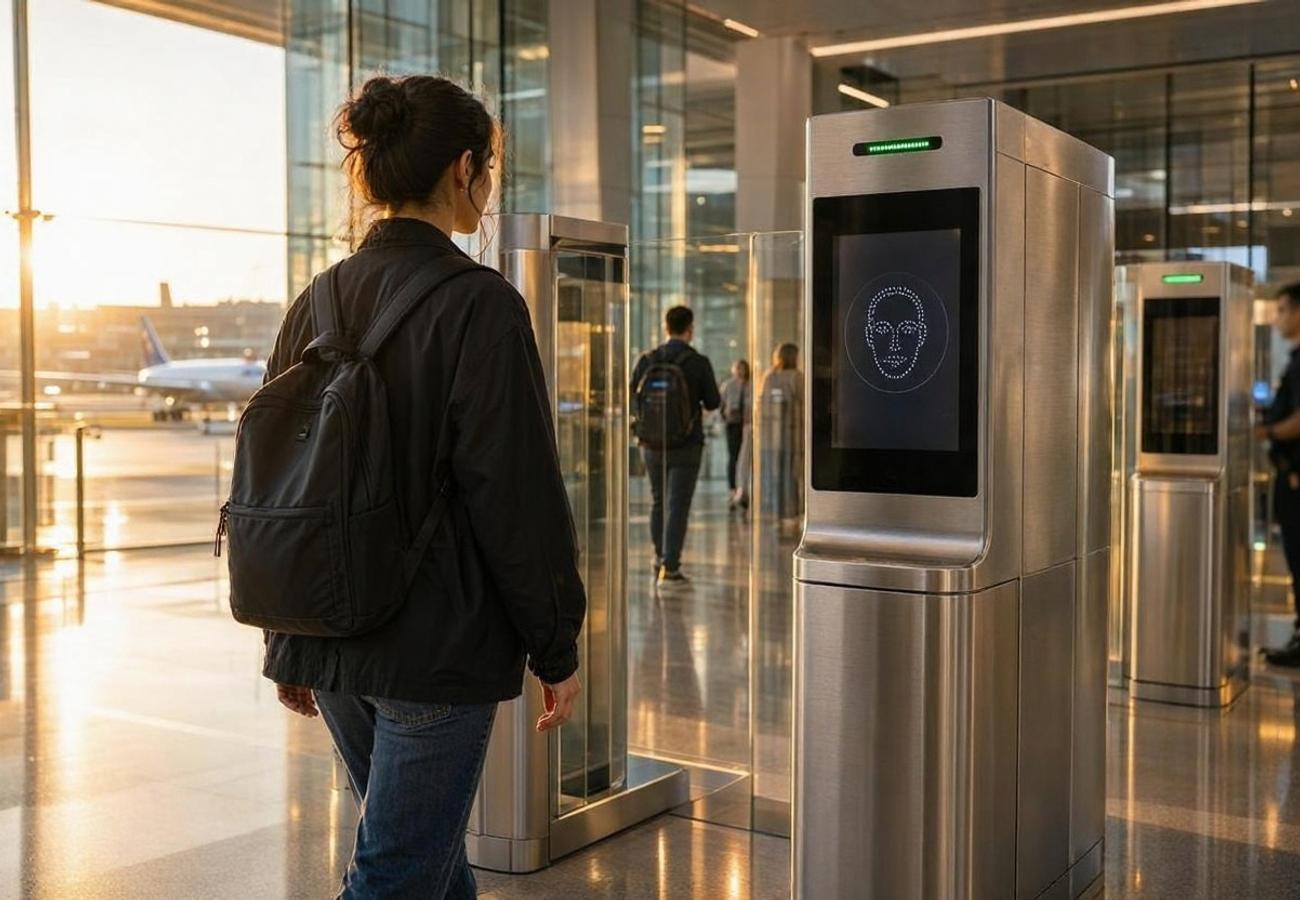
India Launches International Digi Yatra Biometric Trials at 7 Major Airports for 2027 Expansion