Munich to Rome Direct Frecciarossa High-Speed Rail: 2027 Logistics and Planning Guide

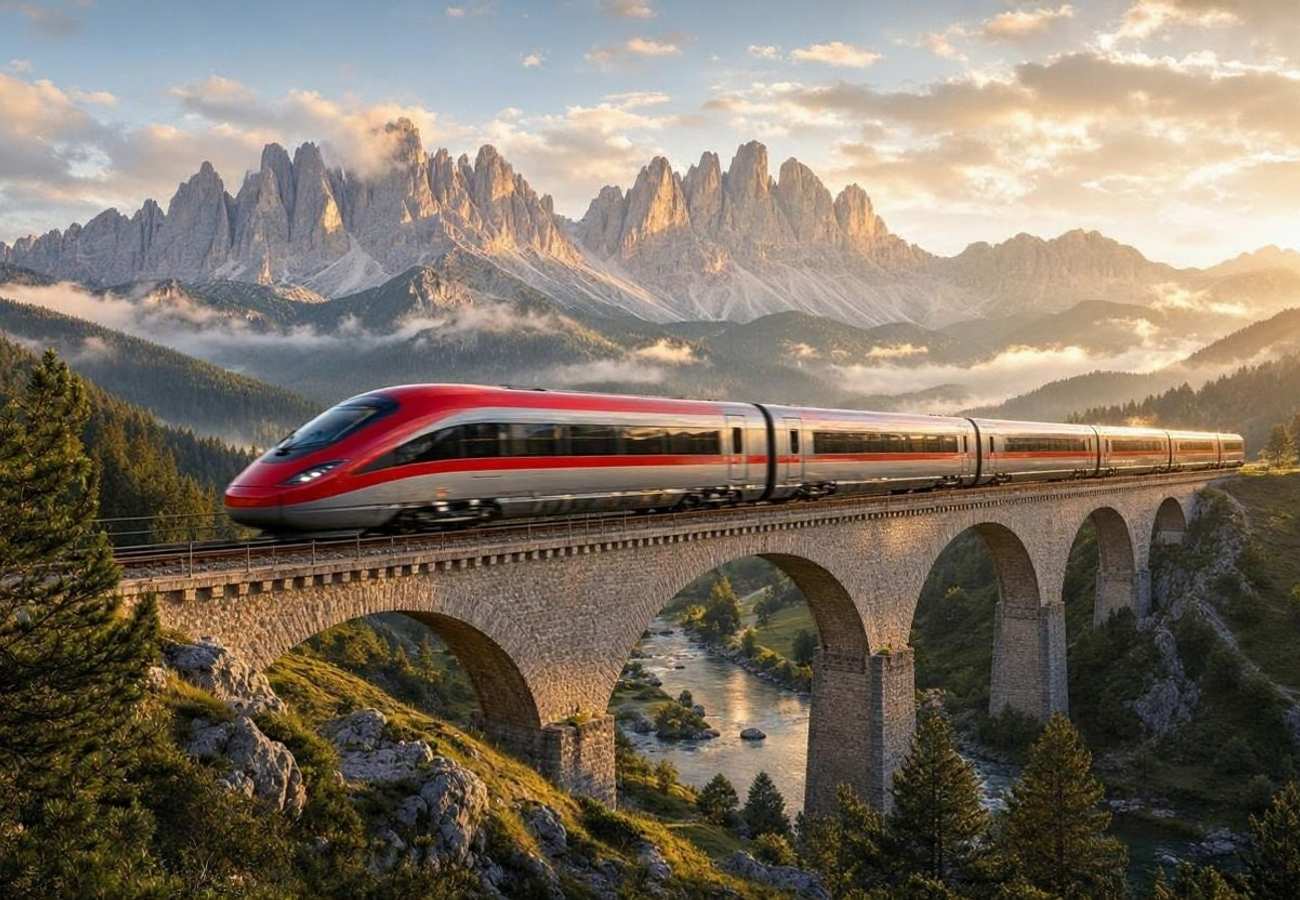
Image generated by AI
Are you planning a trip from Bavaria to the Eternal City in 2027? Here is exactly how the new direct Frecciarossa high-speed link will change your transit logistics starting in the summer of 2027.
The Munich-Rome High-Speed Expansion
A long-anticipated direct rail link connecting Munich and Rome is transitioning from a political goal to an operational reality. While early projections suggested a December 2026 start, regulatory hurdles and technical testing have pushed the official launch target to summer 2027. This service is a joint venture between Deutsche Bahn (DB), Trenitalia, and ÖBB, designed to eliminate the need for multiple transfers when traveling from southern Germany to central Italy.
The project utilizes the Frecciarossa ETR 1000, the flagship high-speed trainset of Trenitalia. Currently, these trains are undergoing a rigorous homologation process. This means engineers are testing the trains' compatibility with German and Austrian signaling, power supplies, and safety systems. Until this "type-approval" is finalized by national safety authorities, commercial tickets cannot be issued.
Route and Schedule Details
While the final timetable has not been uploaded to public booking engines, the operational framework is established. The trains will utilize the Brenner corridor, passing through the Alps before hitting the high-speed lines of northern Italy.
| Route | Planned Frequency | Aircraft/Train | Est. Duration | Status |
|---|---|---|---|---|
| Munich $\rightarrow$ Milan | 2 pairs per day | Frecciarossa 1000 | 6.5 Hours | Pending Summer 2027 |
| Munich $\rightarrow$ Rome | 2 pairs per day | Frecciarossa 1000 | 8.5 Hours | Pending Summer 2027 |
| Munich $\rightarrow$ Verona | Existing EC/RJ | Locomotive-hauled | ~5.5 Hours | Operational |
Note: Durations are indicative targets based on current EuroCity timings combined with Italian high-speed sections.
Traveler Logistics Guide
If you are coordinating travel for 2027, you must distinguish between political announcements and bookable inventory. Follow these steps to optimize your transit:
1. Booking Strategy by Season
- Spring 2027: Do not wait for the direct link. Book existing connecting routes via Deutsche Bahn (DB) or ÖBB. You will likely need to take a EuroCity or Railjet to Verona or Bologna and transfer to a domestic Frecciarossa.
- Summer/Autumn 2027: Monitor the annual timetable updates. Once the "type-approval" is granted, train numbers and specific stopping patterns will appear in the retail systems.
2. Understanding the Route Path The service departs from Munich Hauptbahnhof, heading south through Rosenheim, Kufstein, Wörgl, and Jenbach before reaching Innsbruck. From there, the train climbs the Brenner Pass, crosses into Italy at Brennero, and proceeds through Fortezza and Bolzano.
3. Connection Tips Until the direct service is live, the most efficient "hack" is to book a Railjet to Innsbruck or a EuroCity to Verona. From Verona, the transition to the Italian high-speed network is frequent and efficient. Ensure you leave at least 45-60 minutes for transfers in Verona to account for platform changes.
4. Onboard Experience Unlike the current locomotive-hauled EuroCity coaches, the Frecciarossa 1000 offers a consistent high-speed environment. You will remain on the same trainset from Bavaria to Lazio, though crew changes will occur at national borders.
Regional Connectivity Impact
This route represents the first time the Tyrol region and southern Germany are integrated directly into Italy's domestic high-speed rail network. By bypassing the need to change trains in Verona or Milan, the service makes rail a viable competitor to short-haul flights between Munich and Rome.
It is important to note that the Brenner Base Tunnel—which would further reduce travel times—is not expected to open until the early 2030s. Consequently, the 2027 service will still operate on the existing alpine ramp, meaning the "high-speed" element is primarily applicable once the train reaches the plains of northern Italy.
FAQ: Munich-Rome Rail 2027
Do I need a separate ticket for the German and Italian legs? Once the direct service launches in summer 2027, you will purchase a single through-ticket via DB or Trenitalia, covering the entire journey from Munich to Rome.
How long is the layover if I use current connecting trains? Currently, transfers in Verona or Bologna typically range from 30 to 90 minutes. We recommend 60 minutes to ensure a stress-free transition between platforms.
Can I check bags through to Rome? No. European rail does not typically offer "checked luggage" services like airlines. You are responsible for your bags during transfers until the direct Frecciarossa service eliminates the need to switch trains.
Your journey from the Alps to the Tiber is about to get significantly faster.
Related Travel Guides
This article is for informational purposes. Flight routes, passenger regulations, visa rules, and transit advisories are subject to change by airlines and aviation authorities. Readers are advised to verify schedules and travel documentation with relevant carriers and border agencies before departure.
Related Stories
US Withdrawal from 2026 Qatar U-17 World Cup: Security Data and Travel Impacts
Madrid to Cáceres Transport Guide 2026: Renfe Train and Avanza Bus Routes and Schedules