
Washington State Tourism Rebounds in 2026 Following Severe Wildfire Disruptions and Smoke Alerts
Washington State is launching a strategic autumn recovery campaign to restore visitor confidence and stabilize local economies after wildfire-induced air quality alerts disrupted the summer travel season.

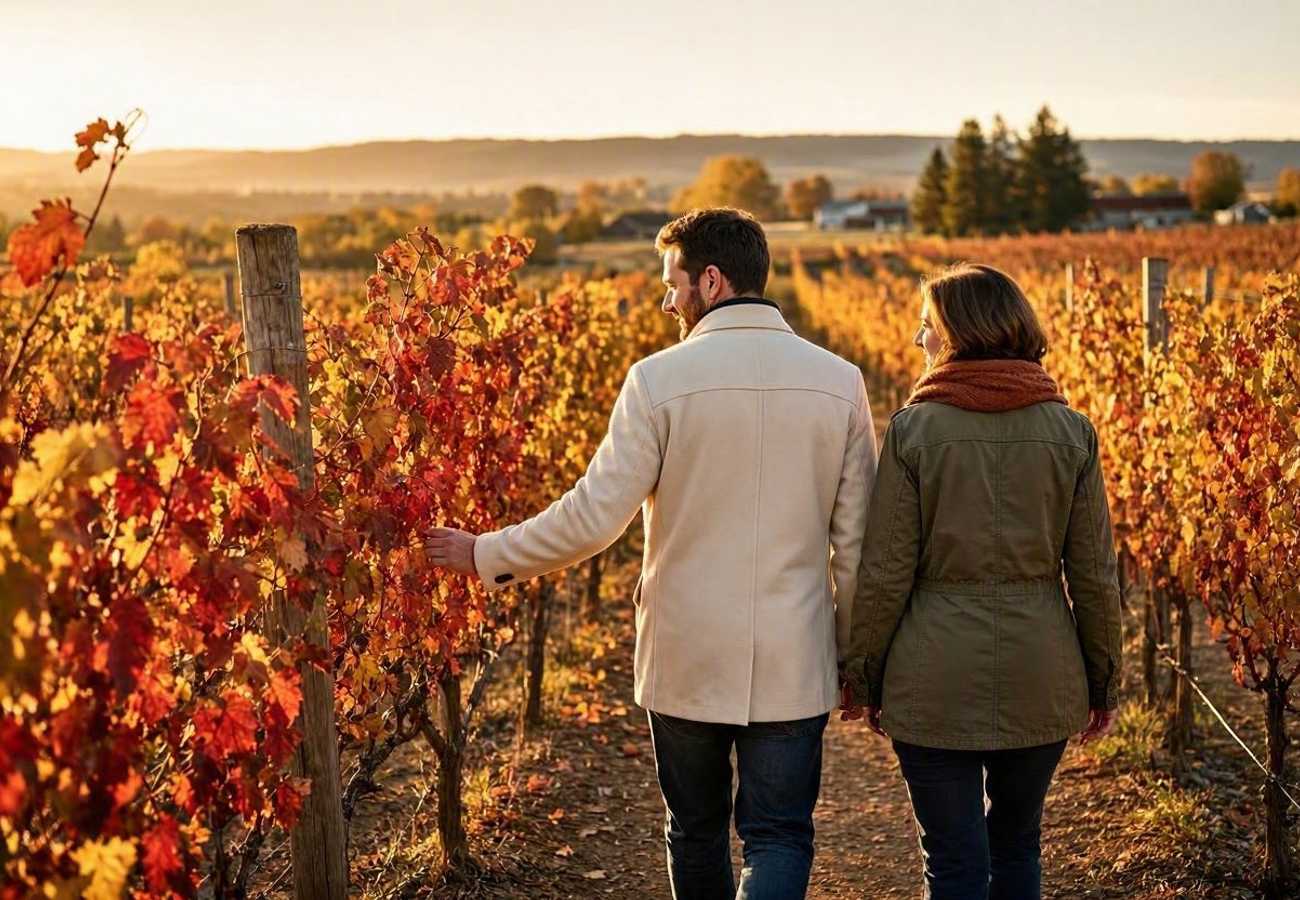
Image generated by AI
[Seattle, September 25, 2026] — Washington State is aggressively pivoting toward an autumn tourism recovery strategy to offset significant visitor losses caused by wildfire disruptions and hazardous air quality earlier this year. Local tourism boards and regional businesses are now implementing targeted seasonal campaigns to rebuild traveler confidence as the state enters its peak foliage and harvest window.
The recovery effort is centered on transitioning visitors away from smoke-affected mountain corridors toward agricultural hubs and "shoulder-season" experiences. This strategic shift aims to stabilize the economic pipeline for hotels, restaurants, and outdoor outfitters who saw a sharp decline in bookings during the summer wildfire peaks. State officials and local operators are emphasizing flexible itinerary planning and real-time safety monitoring to attract cautious travelers back to the Pacific Northwest.
The Wildfire Trigger and Tourism Decline
The immediate catalyst for this recovery push was a series of wildfire events that severely compromised air quality and visibility across Western Washington. These environmental hazards led to the temporary closure of critical hiking trails, camping grounds, and scenic overlooks, forcing a wave of cancellations among outdoor enthusiasts.
Smoke plumes significantly impacted the decision-making process for international and domestic tourists, particularly those targeting the Cascade Mountains. The resulting volatility in travel conditions created a ripple effect, impacting not only direct outdoor recreation but also the hospitality sectors in surrounding rural communities. To mitigate future risks, the state is now leaning on the Washington State Department of Natural Resources (DNR) to provide transparent, real-time data on fire risks and air quality indices.
Regional Impact and Recovery Zones
While the entire state felt the impact of the summer fires, the recovery efforts are currently segmented by region and activity type:
| Region | Primary Impact | Recovery Focus | Key Attractions |
|---|---|---|---|
| Cascade Mountains | Trail closures, smoke hazards | Safety-first hiking, air quality monitoring | Alpine lakes, forest treks |
| Yakima Valley | Reduced summer foot traffic | Harvest tourism, agritourism | Vineyards, breweries, orchards |
| Coastal Zones | Indirect cancellation ripples | "Clean air" retreats, seaside exploration | Pacific coastline, beach towns |
| Rural Heartland | Economic dip in hospitality | Community festivals, slow travel | Farmers markets, local heritage sites |
The Yakima Valley has emerged as the primary engine for this autumn rebound. By leveraging its agricultural identity, the region is successfully diverting traffic from the smoke-prone highlands toward the valley floor, where harvest traditions provide a stable draw for visitors.
What This Means for Travelers
For those booking trips to Washington in late 2026, the corporate narrative of "recovery" translates into several practical changes in the travel experience:
1. Shift in Destination Priority Travelers are encouraged to pivot from high-altitude mountain excursions to valley-based activities. The Yakima Valley is currently the most viable alternative, offering a blend of nature and agriculture that is less susceptible to the immediate visibility issues found in the high Cascades.
2. Heightened Requirement for Flexibility The "flexible planning" mentioned by tourism boards means travelers should avoid rigid, non-refundable bookings for outdoor activities. It is now standard practice to have a "Plan B" destination within the state in case of sudden air quality degradation.
3. Emphasis on Shoulder-Season Perks Visitors can expect fewer crowds and more competitive pricing at hotels and rentals. The push for "slow travel" means local businesses are offering more immersive, long-stay experiences rather than the high-turnover tourism typical of the July-August peak.
4. Mandatory Condition Checking Travelers are no longer advised to simply "show up." There is a strong push to use official tools like AirNow.gov to monitor the Air Quality Index (AQI) before departing for rural or forested areas.
The Path to Stabilization
The next phase of Washington's tourism strategy involves the integration of "harvest tourism" as a permanent economic pillar to reduce the state's over-reliance on the summer outdoor peak. By promoting the Yakima Valley's wineries and breweries as year-round destinations, the state hopes to create a more resilient tourism economy that can withstand seasonal natural disasters.
Local governments are also collaborating with the U.S. Forest Service to improve communication channels regarding trail openings and fire restrictions. The goal is to replace the uncertainty of the 2026 summer season with a data-driven approach to visitor management. As the autumn colors peak, the state is betting that the combination of agricultural festivals and cooler temperatures will be enough to erase the negative perceptions left by the wildfire season.
FAQ: Washington Autumn Travel 2026
Is it safe to visit Washington's forests in autumn 2026? Generally, yes. Conditions have improved significantly since the summer peaks. However, visitors must check current fire restrictions and air quality reports for specific districts before entering wilderness areas.
What is the best alternative to mountain hiking this season? The Yakima Valley is the top recommendation. It offers scenic drives, vineyard tours, and harvest festivals that provide an outdoor experience with lower risk of smoke interference than the high mountains.
How do I monitor air quality for my trip? Use the AirNow website or app to check the AQI for your specific destination. Local tourism boards are also providing updated alerts on their official portals.
Are hotels and rentals offering discounts for the autumn season? Yes, many providers are offering "shoulder-season" rates and flexible cancellation policies to encourage visitors to return after the summer disruptions.
Washington is betting that the gold of the harvest will outweigh the grey of the smoke.
Related Travel Guides
Disclaimer
This article is for informational and educational purposes only. It does not constitute legal, financial, or professional advice. While we strive to provide accurate and up-to-date information, travel policies, regulations, and conditions change rapidly. Always verify information with official sources before making travel decisions. Nomad Lawyer makes no representations about the accuracy, reliability, completeness, or suitability of the information provided. Readers should consult qualified professionals for advice specific to their circumstances. The views expressed in this article are those of the author and do not necessarily reflect the views of Nomad Lawyer.
Naina Thakur
Contributor & Travel Specialist
Travel enthusiast and legal writer covering visa regulations, responsible tourism, and cultural journeys across global destinations.
Learn more about our team →