Beyond Seattle: The Rise of Washington State’s Wilderness Corridors and High-Desert Terroirs

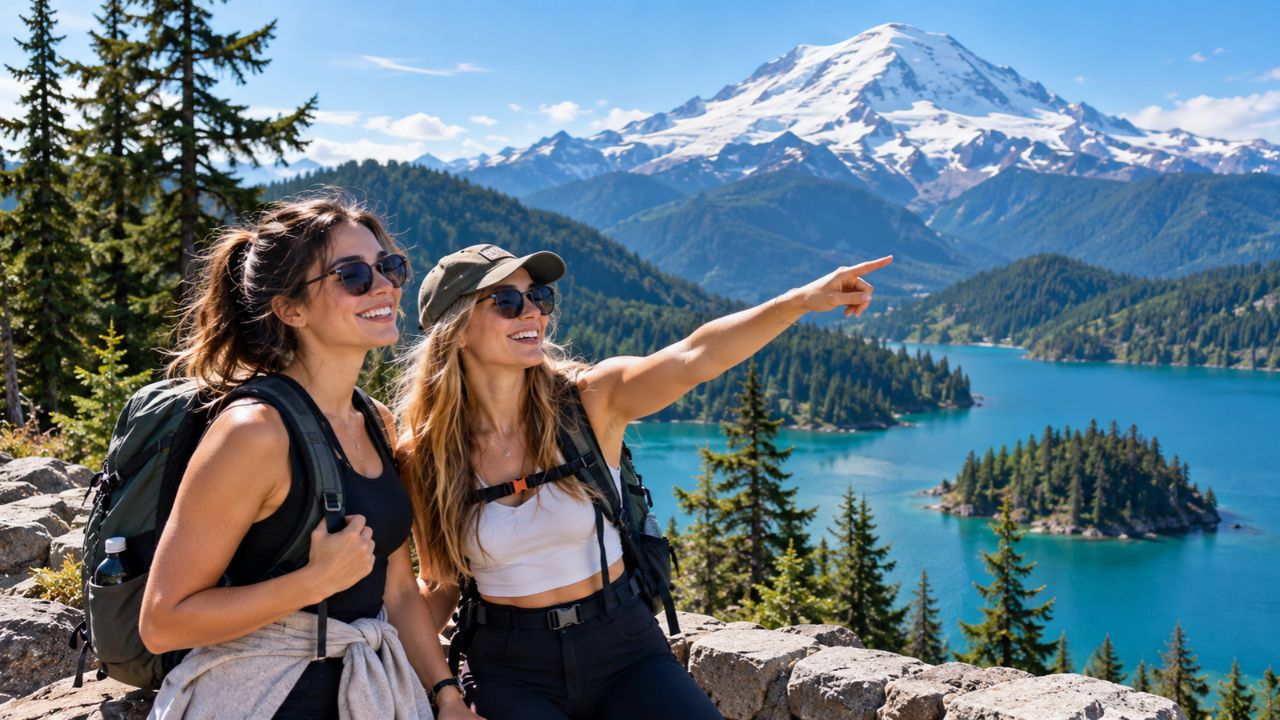
Exploring the protected wilderness and agricultural corridors of Washington State
Within a three-hour drive from downtown Seattle, you can stand beneath giant moss-draped Sitka spruces receiving twelve feet of annual rain, or cross the Cascade Range into sagebrush scrublands that see less than eight inches of precipitation a year. This dramatic ecological duality across the Cascade crest is driving a major evolution in how travelers navigate Washington State in 2026, shifting attention away from brief urban stopovers toward deep, multi-region overland journeys supported by State of Washington Tourism.
The Dual-Biome Shift in Pacific Northwest Travel
While Seattle remains the essential international gateway with iconic touchstones like Pike Place Market and the Space Needle, modern travel patterns increasingly prioritize extended regional road circuits. Travelers are combining the rugged coastal maritime ecosystems of Western Washington with the sunny agricultural valleys and viticultural hubs of the east.
The western half of the state is anchored by world-class protected wilderness. Olympic National Park preserves three distinct ecosystems in one reserve: glacier-clad peaks, wild Pacific beaches strewn with giant sea-drift timber, and the temperate Hoh and Quinault rainforests, designated as a World Heritage site under the UNESCO World Heritage Centre. Further south, the towering volcanic crest of Mount Rainier National Park draws alpine trekkers, while North Cascades National Park offers remote backpacking trails along turquoise glacial reservoirs.
Crossing the mountains eastward reveals an entirely different environment. The rain-shadowed Columbia Basin, Yakima Valley, Walla Walla, and the Tri-Cities form an expansive sun-drenched plateau. Here, mineral-rich volcanic soils and dry summer heat fuel world-renowned wine regions, artisanal cideries, and farm-to-table culinary scenes that rival traditional European terroirs.
What Makes Washington's Geography and Terroir Unique
The defining characteristic of Washington State is its geological contrast created by the Cascade Volcanic Arc. This mountain barrier intercepts moist maritime air from the Pacific Ocean, creating lush evergreen forests on the western slopes while leaving Eastern Washington bathed in over 300 days of sunshine annually.
In the wine country of Walla Walla and the broader Columbia Valley, this climate produces exceptional Cabernet Sauvignon, Syrah, and Merlot with balanced acidity. Unlike traditional mass-production wine circuits, Washington's vineyard regions remain refreshingly accessible, centered around historic downtown tasting rooms, restored grain silos, and small family-operated estates where visitors often converse directly with head winemakers.
Along the Pacific coastline and the inland waterways of the Salish Sea, the geography transitions into rich marine channels where resident and transient orca pods, humpback whales, and harbor seals navigate deep saltwater fjords. Coastal communities on the Olympic Peninsula maintain deep connections to ancestral Coast Salish and Makah indigenous traditions, offering visitors profound insights into ancient sustainable fishing and cedar-carving heritage.
Visitor Insider Tips for Exploring Washington State
Navigating a state with multiple climatic zones requires careful seasonal timing, packing strategies, and regional transport knowledge.
Navigating Washington State Ferries and Roadways
When driving between Seattle and the Olympic Peninsula, utilize the Washington State Ferries network departing from downtown Seattle (Colman Dock) to Bainbridge Island, or from Edmonds to Kingston. During summer weekends, vehicle queues can exceed two hours; make advance vehicle reservations where available or travel during mid-week morning windows. For mountain traverses, monitor seasonal pass closures on Highway 20 (North Cascades Highway) and Chinook Pass, which typically close for winter snowpack between November and May.
Tackling National Park Permits and Trail Access
Both Mount Rainier and Olympic National Park manage high-season visitor demand through timed-entry reservation programs for popular corridors like Paradise and the Hoh Rain Forest. Reserve your entry slots early via the National Park Service portal, or arrive at park entrance gates before 07:30 to secure entry without reservation constraints and enjoy wildlife viewing in early morning tranquility.
Choosing Distinct Regional Bases
Rather than staying in a single hotel, divide your itinerary across distinct regional bases. Spend two nights in Seattle's historic Pioneer Square or Ballard neighborhood to experience craft microbreweries and Scandinavian bakeries. Base yourself in Port Angeles or Forks to explore the Olympic Peninsula's coastal tide pools at Ruby Beach. For wine touring, book a boutique historic inn in downtown Walla Walla, where tasting rooms and farm-to-table bistros are concentrated within comfortable walking distance.
Regional Flavors and Culinary Traditions
Washington’s food identity extends far beyond coffee. Seek out freshly shucked Pacific oysters (such as Kumamoto and Olympia varieties) along Hood Canal, wild-caught Copper River salmon grilled over cedar planks, and Dungeness crab fresh from coastal docks. On the eastern slopes, taste locally harvested Rainier cherries, heirloom apples, and artisanal sheep-milk cheeses paired with locally crafted dry ciders.
Cultural and Environmental Context of Conservation and Community Life
The growing popularity of Washington's outdoor corridors brings renewed responsibility to protect fragile alpine meadows, riparian zones, and wild salmon runs. Indigenous nations across the Pacific Northwest—including the Tulalip, Yakama, Makah, and Quinault tribes—play a leading role in regional habitat restoration, co-managing fisheries and advocating for dam removals along historic riverways like the Elwha River.
To safeguard delicate alpine ecologies from trail erosion, state and federal land managers actively promote "Leave No Trace" principles and support sustainable community tourism. By dispersing visitor foot traffic across lesser-known state parks, rail-trail corridors, and agricultural communities in the Yakima Valley and Tri-Cities, tourism revenue directly supports rural family farms, regional conservation trusts, and small-town independent businesses without degrading sensitive wilderness areas.
FAQ: Visiting Washington State 2026
What is the best time of year to visit Washington State?
July through September offers the driest, sunniest weather across both western and eastern regions, opening alpine hiking trails and vineyard patios.
Do I need a car to explore Washington State?
While downtown Seattle is easily navigated via the Sound Transit Link light rail and public streetcars, renting a vehicle is essential for exploring national parks, the Olympic Peninsula, and eastern wine country.
How far is Olympic National Park from Seattle?
Depending on whether you drive around Puget Sound via Tacoma or take the Bainbridge Island ferry, the drive to the park's eastern entrances takes approximately two to three hours.
What should I pack for a multi-region Washington road trip?
Pack versatile layers, including a waterproof breathable rain shell, sturdy hiking footwear, warm fleece for alpine evenings, and lightweight breathable clothing for the sunny eastern valleys.
Between the rhythm of Pacific tides and the quiet warmth of vineyard foothills, Washington rewards the traveler who knows that the best journey is the one that crosses the mountains.
Related Travel Guides
- Iran's Strait of Hormuz Warnings Trigger 78% Shipping Collapse—Gulf Tourism, Cruise Routes Face Critical Test as 14 Nations Monitor Crisis
- Yosemite National Park Safety Concerns Rise as 2026 Removal of Timed Entry Sparks Overcrowding on Mist Trail
- Best Honeymoon Destinations in the USA for a Romantic Escapade
This article is for informational purposes. Flight routes, passenger regulations, visa rules, and transit advisories are subject to change by airlines and aviation authorities. Readers are advised to verify schedules and travel documentation with relevant carriers and border agencies before departure.
Related Stories

Amtrak Opens $250 Million Seattle Maintenance Hub to Power Airo Fleet Expansion in 2026
EEA Photo Awards 2026: Spain, Türkiye, and Iceland Reveal the Fragile State of European Nature Tourism