EEA Photo Awards 2026: Spain, Türkiye, and Iceland Reveal the Fragile State of European Nature Tourism

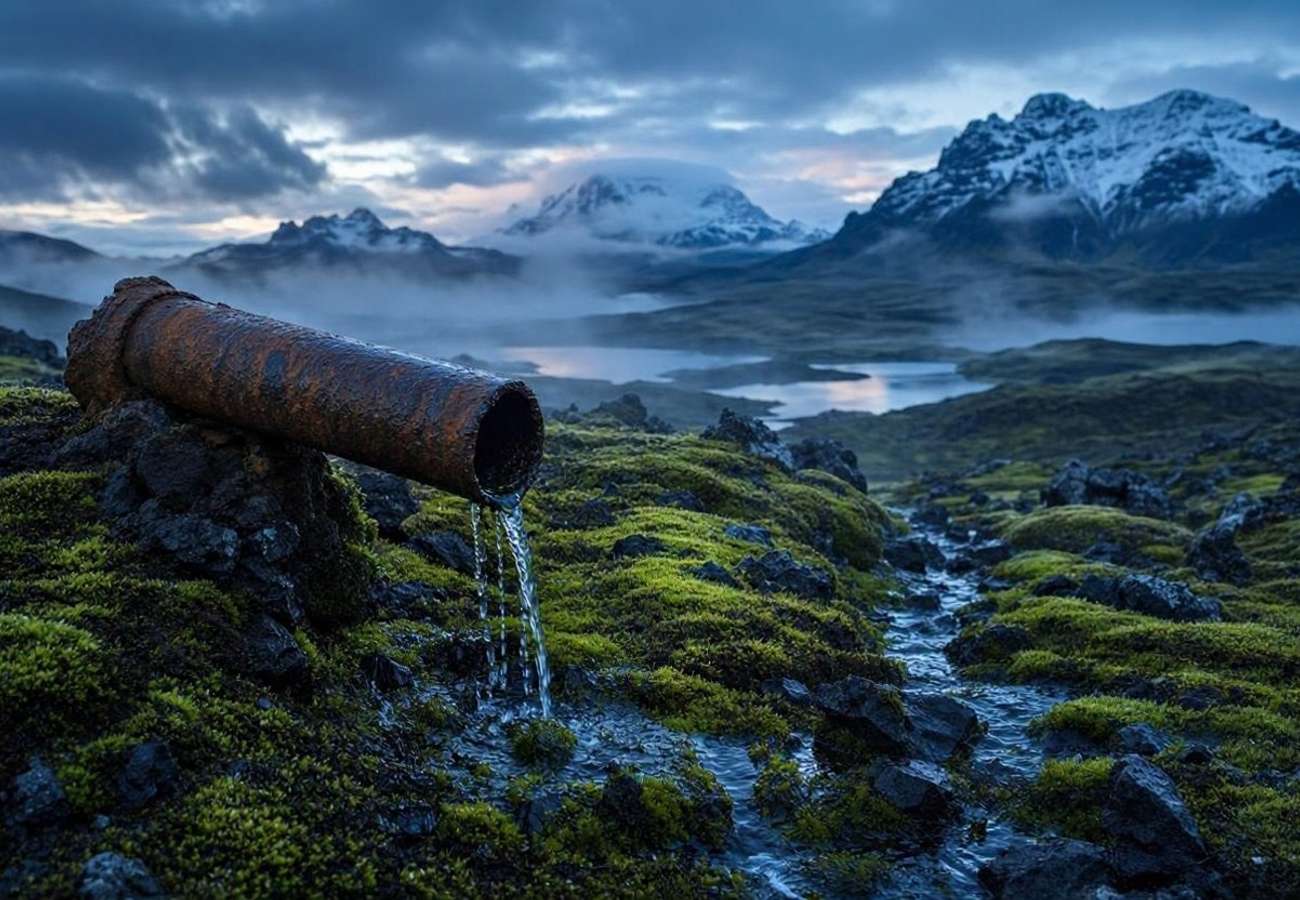
Image generated by AI
A single water rail navigating a drainage pipe filled with human waste has become the haunting face of European nature tourism in 2026. This image, part of the European Environment Agency’s (EEA) latest photography showcase, strips away the glossy veneer of travel brochures to reveal the grit and pollution threatening the very ecosystems that draw millions of visitors to the continent.
The Collision of Aesthetics and Ecology in 2026
The "Resilient by Nature" competition is not merely an art gallery; it is a diagnostic report on the health of Europe's outdoor destinations. With nearly 2,800 submissions from 35 different countries, the 2026 awards highlight a growing tension: the desire for "pristine" nature travel versus the reality of environmental degradation. Announced on 9 October 2026, the winners reflect a continent in flux, where the lines between urban sprawl and wild sanctuary are blurring.
For the modern traveler, these images serve as a warning. The destinations we seek for solitude and renewal—the wetlands of Spain or the highlands of Iceland—are under immense pressure. When a "Disruption" category winner captures pollution in a Spanish wetland, it signals a systemic risk to birdwatching and ecotourism sectors that rely on biological purity.
What Makes These Destinations Different
The 2026 awards highlight four distinct regional narratives that redefine how we should approach nature travel in Europe.
In Türkiye, the Dalyan Delta represents the "Harmony" ideal. This region is a masterclass in balancing high-volume tourism with strict conservation. The delta is not just a scenic backdrop for boat trips; it is a critical biological engine. The proximity of the UNESCO-recognized archaeological ruins of Kaunos to the nesting grounds of loggerhead sea turtles at İztuzu Beach creates a rare intersection of heritage and biodiversity.
Conversely, Sweden is redefining "nature" by looking closer to home. The Youth Prize winner, captured in Lund, shows a marten in an industrial ruin. This shifts the narrative away from remote national parks and toward urban biodiversity, suggesting that the future of wildlife photography may lie in the "in-between" spaces of our cities.
Iceland continues to be the frontier of landscape tourism, but the "Tree of Life" winning image reveals a precarious beauty. The branching patterns of melting snow in the Highlands are visually stunning, but they are markers of a changing climate that alters seasonal accessibility and threatens the fragile volcanic soil.
Regional Environmental Impact Data
The following table breaks down the specific pressures facing these award-winning locations and what they mean for the visiting traveler.
| Destination | Primary Attraction | Environmental Pressure | Impact on Visitor Experience |
|---|---|---|---|
| Spain (Wetlands) | Birdwatching & Nature Photography | Waste pollution & drainage runoff | Decreased wildlife sightings; habitat decay |
| Dalyan, Türkiye | Ecotourism & Loggerhead Turtles | Tourism volume vs. Nesting sites | Need for regulated boat access & zoning |
| Lund, Sweden | Urban Wildlife Observation | Industrial encroachment | Shift toward "urban nature" education |
| Iceland Highlands | Adventure Hiking & Landscape Photography | Rapid snowmelt & moss fragility | Stricter vehicle rules; seasonal closures |
Visitor Insider Tips
If you are planning to visit these sensitive regions, avoid the "tourist track" and adopt a local's mindset to minimize your footprint.
Dalyan Delta, Türkiye: Avoid the midday boat crowds. Hire a local guide for a sunrise paddle through the reed beds to see the delta's biodiversity without the engine noise of larger tour boats. Ensure your visit to İztuzu Beach follows the strict guidelines set by local conservationists to avoid disturbing turtle nests.
Icelandic Highlands: Never, under any circumstances, step off the marked paths. The moss in the Highlands can take decades to recover from a single footprint. Check Road.is daily, as weather-induced closures are frequent and non-negotiable. Use a 4x4 vehicle as required by law for F-roads.
Sweden's Urban Nature: Instead of heading straight to the far north, explore the "green corridors" of university towns like Lund. Use local biodiversity maps to find pockets of wildlife within the city, but maintain a strict distance from animals to avoid stressing them.
Spain's Natural Parks: When visiting wetlands for birdwatching, stick to the designated hides. The "disruption" seen in the EEA awards often happens when visitors venture off-trail, inadvertently pushing wildlife into polluted drainage areas.
Cultural and Environmental Context
The 2026 EEA awards highlight a shift in the "social contract" of tourism. For decades, nature was viewed as a commodity—a backdrop for a photo or a place for a hike. Now, the interaction is becoming more symbiotic. In Spain, the visibility of pollution in nature photography is forcing destination managers to implement harsher waste management laws to save their tourism economy.
In Türkiye and Iceland, the challenge is "over-tourism" in fragile zones. The cultural shift here is toward "regenerative travel," where the goal is not just to "leave no trace," but to actively contribute to the restoration of the site. This means paying conservation fees, adhering to strict zoning, and accepting that some areas may be closed entirely to allow nature to recover.
FAQ: Visiting Europe's Nature Sites 2026
What is the best time to visit the Icelandic Highlands? The Highlands are generally only accessible from late June to early September. Outside this window, most F-roads are closed due to snow and extreme weather.
Do I need a special permit for ecotourism in Türkiye? While general visits to Dalyan are open, specific protected zones and nesting beaches have strict entry rules. Always check with local authorities or your guide.
Is it safe for solo travelers to explore Swedish urban nature? Yes, Sweden is exceptionally safe for solo travelers. Using public transport to reach green spaces in cities like Lund is efficient and common.
How can I ensure my nature photography is ethical? Avoid using flash with nocturnal animals, never bait wildlife for a shot, and always prioritize the animal's wellbeing over the composition of the photo.
The lens of the EEA doesn't just capture beauty; it captures a deadline for conservation.
Related Travel Guides
This article is for informational purposes. Flight routes, passenger regulations, visa rules, and transit advisories are subject to change by airlines and aviation authorities. Readers are advised to verify schedules and travel documentation with relevant carriers and border agencies before departure.
Related Stories
European Winter Wellness 2026: Thermal Bathing and Sauna Logistics Across 8 Countries
New Zealand Visa Changes Delayed to Nov 23 2026 Amid South Island Weather Warnings