Vietnam’s Quảng Trị Unlocks A New Tourism Era With World-Class Caves, Nature And Heritage Attractions

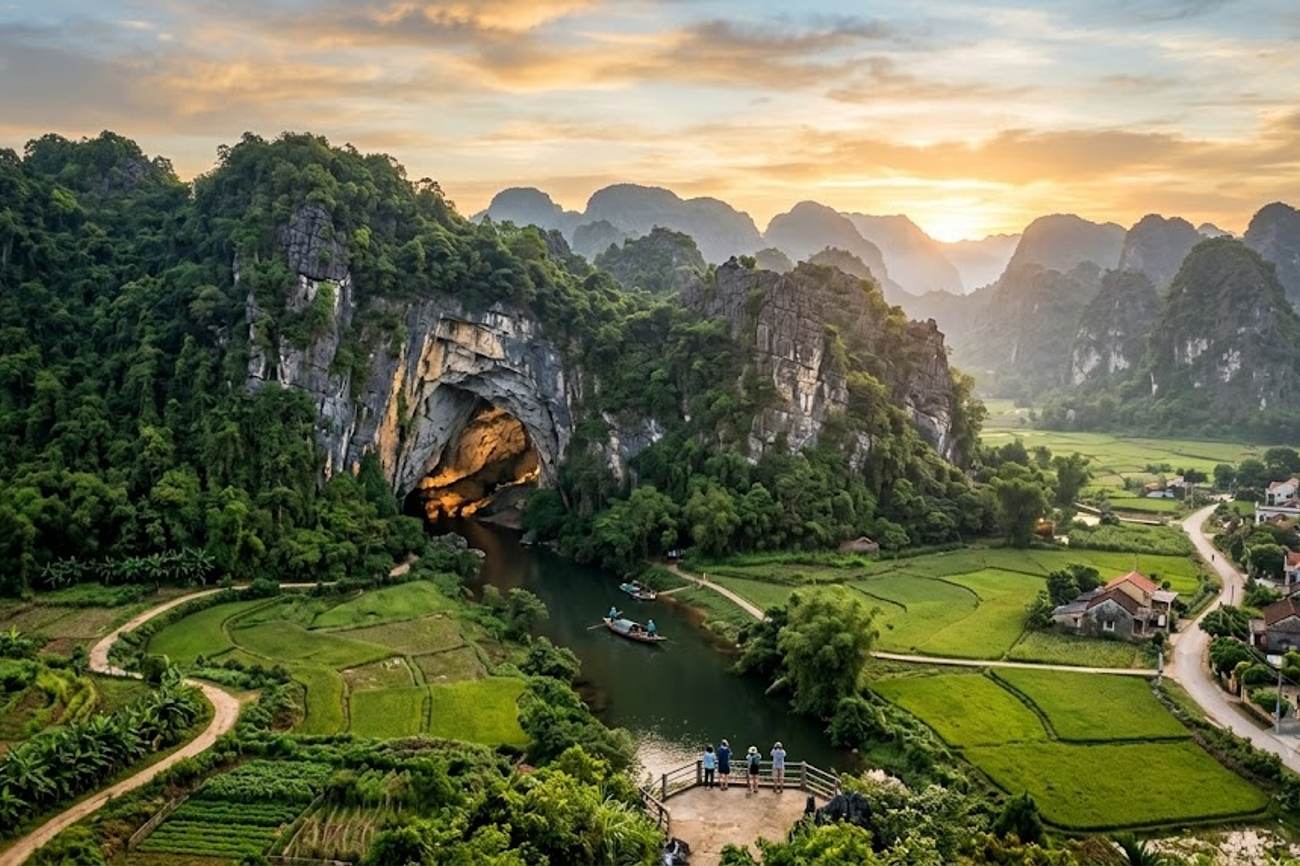
Image generated by AI
The world's largest cave system is so massive it possesses its own localized weather patterns, including internal clouds and rain. This geological anomaly is just one feature of the Phong Nha-Kẻ Bàng region, where the earth opens up into chambers that could house entire skyscrapers. While most travelers to Vietnam gravitate toward the neon lights of Ho Chi Minh City or the limestone pillars of Ha Long Bay, the merged province of Quảng Trị—now integrating the assets of Quảng Bình—is quietly becoming the epicenter of Southeast Asian adventure.
The Shift Toward High-Value Adventure
The tourism trajectory of Quảng Trị has shifted dramatically. Rather than chasing the high-volume, low-spend crowds that often plague major Asian hubs, the region is pivoting toward specialized, high-impact tourism. The catalyst is the Phong Nha-Kẻ Bàng National Park, a UNESCO World Heritage site that serves as the anchor for the province's economic growth.
By 2026, the region solidified its status as a global magnet for adventure seekers. This isn't about casual sightseeing; it is about deep-earth exploration. The crown jewel, Son Đoòng Cave, operates on a model of strict conservation and limited entry. By capping visitor numbers, the province has transformed a natural wonder into an exclusive experience, ensuring that the delicate underground ecosystems remain intact while generating significant revenue. In 2025, the area welcomed hundreds of thousands of visitors, with the highest financial contributions coming from those booking specialized trekking and caving expeditions.
What Makes Quảng Trị Different
What separates this region from other Vietnamese provinces is its sheer diversity of terrain compressed into a single administrative area. Following its merger with Quảng Bình, Quảng Trị now offers a "complete" tourism circuit. You can move from the depths of the earth to the peaks of the Trường Son mountains, and finally to the coastline, all within one trip.
The province boasts over 200 kilometers of coastline, featuring islands like Con Cỏ, Chim, and Yến. While the caves get the headlines, the western highlands offer a different kind of silence. Nature reserves such as Đa Krông and Bắc Hướng Hóa protect tropical ecosystems that remain largely untouched by commercial development. This allows for a transition from high-adrenaline caving to slow-paced ecotourism and wildlife observation.
Furthermore, the region is pioneering a trans-boundary tourism model. Phong Nha-Kẻ Bàng and Laos' Hin Nam No National Park have formed the first shared natural World Heritage Site between Vietnam and Laos. This creates a rare opportunity for travelers to cross international borders through the wilderness of the Trường Son range, connecting ethnic communities and shared heritage sites in a way that bypasses traditional city-to-city travel.
Visitor Insider Tips
Navigating Quảng Trị requires a different mindset than visiting Hanoi or Da Nang. This is a frontier destination where flexibility is your greatest asset.
Timing and Access To avoid the humidity peaks and monsoon rains, plan your visit between February and May. If you are targeting Son Đoòng, be aware that permits are strictly limited and must be booked months in advance through authorized operators. For those seeking a more accessible but equally stunning experience, Tiên Cave and Tú Làn offer world-class limestone formations without the year-long waiting list.
Local Etiquette and Gear When visiting the historical sites of the Demilitarized Zone (DMZ), dress modestly. These are places of mourning and remembrance. In the caves, invest in high-quality, quick-dry trekking gear. The humidity inside the cave systems is near 100%, and cotton clothing will not dry for days.
Regional Specialties Move beyond the standard Pho. In this region, look for forest-foraged greens and freshwater fish from the underground rivers. The local markets in the western highlands offer unique mountain herbs and wild honey that are rarely found in the coastal cities.
Quảng Trị, a province in North Central Vietnam, is poised to become a major tourist destination with its world-class caves, nature, and heritage attractions. According to the Vietnam National Administration of Tourism, the province has invested heavily in infrastructure development, including the construction of new roads and amenities to support the growing number of visitors. This investment is expected to boost tourism in the region, creating new opportunities for economic growth and development.
Transport Hacks While flights into nearby hubs are common, the best way to experience the province is by hiring a private driver for the duration of your stay. The distance between the coastal islands and the deep-forest reserves is significant, and public transport cannot take you to the trailheads of the national parks. For official travel requirements and regional updates, check the Vietnam National Administration of Tourism.
Cultural and Environmental Context
The growth of tourism in Quảng Trị is a balancing act between economic necessity and environmental preservation. The province has learned from the "over-tourism" seen in other parts of Asia. By implementing strict quotas on cave entries, they are treating their natural assets as finite resources rather than commodities.
There is also a profound emotional layer to the region's identity. Quảng Trị is not just a place of nature; it is a place of memory. The landscape is scarred by the history of the Vietnam War, with sites like the Vịnh Mốc Tunnels, the Hiền Lương-Bến Hải River, and Tà Cơn Airfield serving as permanent reminders of conflict.
The local community has transitioned from a wartime economy to one based on conservation and education. Tourism here functions as a tool for reconciliation, turning former battlefields into classrooms for peace. The integration of "film tourism"—such as the Indian production SILAA, which showcased locations like Tân Hóa and Phong Nha—has brought a new wave of international visibility, particularly from the Indian market, forcing the region to rapidly modernize its digital infrastructure and hospitality standards.
FAQ: Visiting Quảng Trị 2026
What is the best time to visit? The window from February to May is ideal. This period avoids the heavy rains of the monsoon season and the oppressive heat of the summer, making trekking and cave exploration safer and more comfortable.
Do I need a visa? Most international travelers require a visa for Vietnam. Many nationalities are eligible for an e-visa, which can be applied for online. Always check the current regulations via the official government portal before booking.
How do I get there from Da Nang? The most efficient way is by private car or regional bus. The journey takes several hours, passing through the scenic heart of central Vietnam, providing a gradual transition from the city to the wilderness.
Is it safe for solo travelers? Yes, but with a caveat: the remote nature of the caves and forests means you should never explore the national parks alone. Always hire a certified local guide for safety and conservation compliance.
Where the earth breathes through limestone lungs and history echoes in the silence of the tunnels.
Related Travel Guides
- Singapore Shapes a New Global City Future as Asia’s Urban Power Race Intensifies
- Canada Teams Up With France To Drive Tourism Revival In A Unique French Island Gateway Near North America
- China Travel Milestone As Xi’an Almaty Tourist Train Arrives In Kazakhstan Boosting Silk Road Tourism Connections
This article is for informational purposes. Flight routes, passenger regulations, visa rules, and transit advisories are subject to change by airlines and aviation authorities. Readers are advised to verify schedules and travel documentation with relevant carriers and border agencies before departure.
Related Stories
Thailand Tourism Slowdown Tests Small Businesses as Kingdom Pivots to High-Yield Travel and Secondary Provinces

South Africa Expands Inclusive Wildlife Tourism with Woman-Owned Wellness Centre at Addo Elephant National Park