Singapore Shapes a New Global City Future as Asia’s Urban Power Race Intensifies

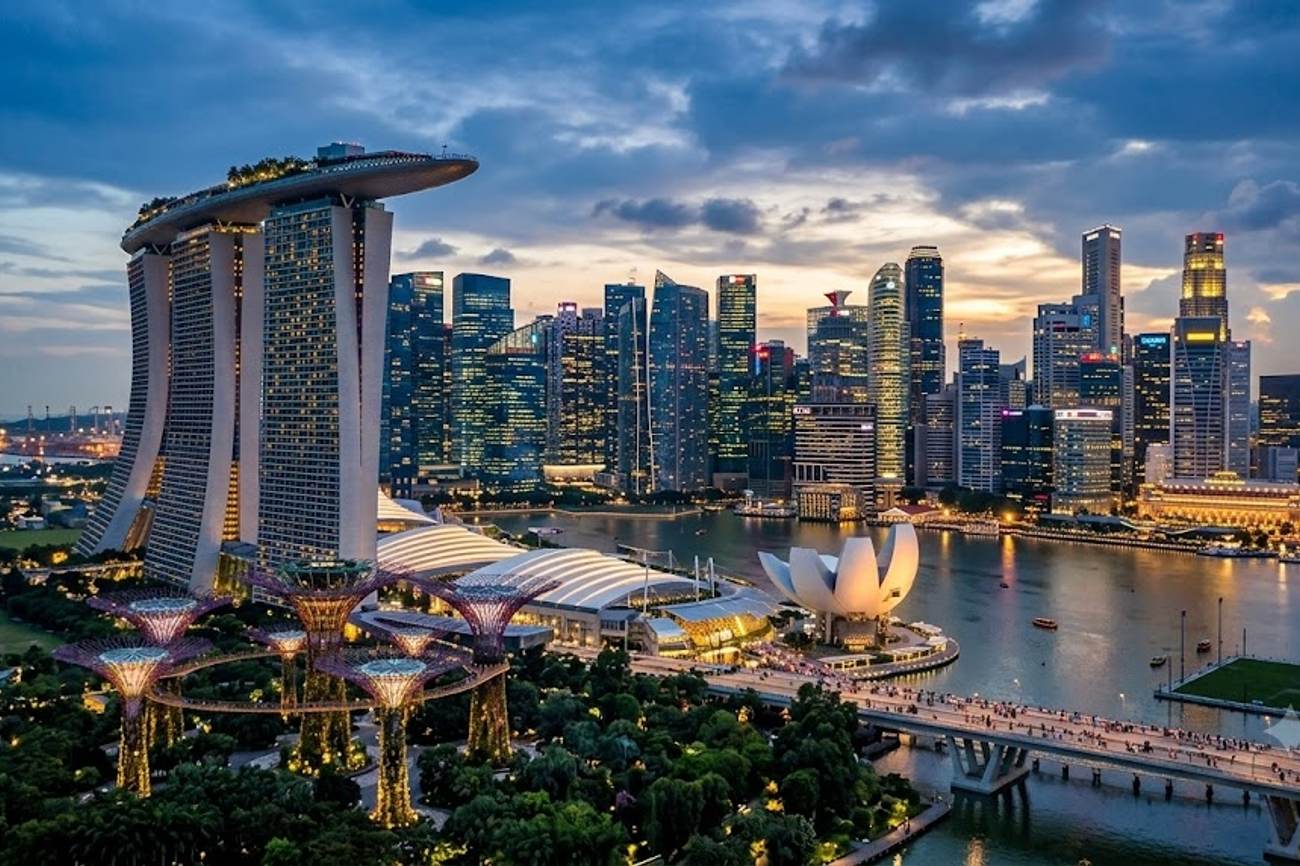
Image generated by AI
Tokyo has broken a nine-year plateau in the global city rankings, surging past New York to claim the second-highest position worldwide with a score of 1,535.1 points. This shift marks a pivotal realignment in Asian urban power, as Tokyo now trails only London (1,642.2 points) and has established a significant lead over New York (1,476.6 points). This is not merely a change in rank but a signal that the center of gravity for high-value global tourism and investment is shifting toward a model that prioritizes liveability and environmental sustainability over raw financial dominance.
The Asian Urban Power Shift in Numbers
The current data reveals a volatile competition for the title of Asia's premier global gateway. While Tokyo has secured the top spot in the region, the gap between other major hubs is narrowing at an accelerating rate. Singapore remains a formidable contender in fifth place globally with a score of 1,293.1 points, but it is facing an unprecedented challenge from Seoul.
Seoul’s trajectory is the most aggressive in the top ten, recording a score increase of 94.8 points to reach 1,288.1. This puts the South Korean capital just 5 points behind Singapore. Seoul’s growth is diversified; it now ranks fifth in research and development, second for patents, and third for the total number of researchers. This suggests a transition from a leisure-centric destination to a powerhouse for medical, study, and business travel.
Meanwhile, Shanghai has demonstrated significant momentum, climbing three positions to rank eighth globally with a score of 1,194.6. This ascent is driven primarily by advancements in research and urban accessibility, mirroring a broader trend across Asia where cities are leveraging technology to attract high-net-worth talent and corporate headquarters.
Comparative Urban Metrics: Asia's Leading Hubs
The competitive landscape is no longer defined solely by GDP or airport capacity. The data shows a shift toward "quality of life" metrics. Tokyo’s ascent is rooted in its dominance of liveability and nightlife, while Singapore’s struggle is tied directly to the cost of living.
| City | Global Rank | Total Score | Key Strength | Primary Vulnerability |
|---|---|---|---|---|
| Tokyo | 2nd | 1,535.1 | Liveability & Nightlife (1st) | Historical stagnation in rank |
| Singapore | 5th | 1,293.1 | Biodiversity & Urban Greenery | Price levels (Liveability rank: 31st) |
| Seoul | 6th | 1,288.1 | R&D and Patent Growth | Narrowing gap with Singapore |
| Shanghai | 8th | 1,194.6 | Research & Accessibility | Recent volatility in ranking |
When comparing these figures to historical benchmarks, Tokyo’s jump in environmental ranking—from 18th to 7th—is the most telling statistic. It indicates that the "concrete jungle" model is being replaced by a sustainable urbanism model, a trend tracked closely by the World Tourism Organization (UNWTO) as cities compete for the "green traveler" demographic.
Practical Traveler Advisory and Strategic Insights
For the individual traveler or digital nomad, these data points translate into specific booking and destination strategies. The divergence in liveability and cost between these hubs creates a clear choice based on budget versus experience.
If you are planning a trip to Singapore, be aware that the city's liveability rank has dropped to 31st due to rising price levels. To mitigate these costs, travelers should pivot toward the "neighborhood exploration" initiatives promoted by the tourism board. Booking accommodations outside the central business district and utilizing local transport is no longer just a budget tip—it is a necessity to maintain value.
For those targeting Tokyo, the data suggests a peak in "experience value." With Tokyo ranking first in liveability and nightlife, it is currently the most efficient destination for travelers seeking a high-density mix of safety, dining, and entertainment. Because Tokyo is now competing directly with London and New York for global visitors, expect increased demand for high-end hotels and luxury retail.
Seoul is currently the "growth play" for travelers. With its rapid rise in cultural interaction and a leap in liveability (from 35th to 25th), Seoul offers a high-quality urban experience that is currently less saturated than Tokyo. Travelers focusing on fashion, technology, or medical tourism will find Seoul's current infrastructure—ranked 11th in accessibility—to be among the best in the world.
Singapore is poised to become a leading global city, with the Singapore Tourism Board launching initiatives to enhance the tourist experience, including the development of new attractions and infrastructure. The city-state's strategic location and world-class airport, Changi Airport, make it an ideal hub for travelers. With its efficient passenger logistics and cutting-edge facilities, Singapore is shaping the future of urban tourism.
The Trajectory of Asian Accessibility
The data suggests that the next five years will be defined by a race for "accessibility." Singapore is attempting to protect its fifth-place status by diversifying its attraction base. The "Tourism 2040" roadmap is an aggressive fiscal target, aiming for annual tourism receipts between S$47 billion and S$50 billion. This indicates a shift toward high-yield tourism—attracting fewer, higher-spending visitors rather than increasing raw passenger volumes.
Singapore is leveraging "event-driven tourism" to distribute foot traffic. The Grand Prix Season Singapore is a strategic tool used to push visitors into diverse retail and dining districts, preventing the "center-city congestion" that often lowers liveability scores.
Seoul's current trajectory suggests it will likely overtake Singapore in the next ranking cycle if it maintains its 94.8-point growth momentum. The synergy between its R&D strength and its cultural appeal creates a "hybrid destination" model that is highly attractive to the modern professional traveler.
As noted in reports from IATA, the integration of seamless transport and digital services is the primary driver of city competitiveness. Shanghai’s jump to eighth place is a direct result of this integration. The trend is clear: the cities winning the global race are those that treat the traveler's journey as a data-driven experience, from the airport to the hotel to the nightlife district.
FAQ: Asian Urban Trends 2024-2025
Will travel costs in Singapore continue to rise? Yes. The data shows Singapore's liveability rank fell to 31st specifically due to price levels. Travelers should expect premium pricing for hotels and dining, making early booking and neighborhood-based exploration essential for value.
Is Tokyo a better destination than Seoul right now? It depends on the goal. Tokyo offers the highest overall liveability and nightlife (1st). However, Seoul is growing the fastest in cultural interaction and R&D, making it a superior choice for those seeking emerging trends in tech and fashion.
Which city is best for business and innovation travel? Seoul is currently the strongest for innovation, ranking 5th in R&D and 2nd in patents. Singapore remains the strongest overall gateway due to its port and airport infrastructure, but Seoul is closing the gap rapidly.
How has Tokyo's appeal changed recently? Tokyo has shifted from being a financial hub to a holistic destination. Its rise from 18th to 7th in environmental rankings shows a commitment to green spaces and clean urban living, making it more attractive to leisure travelers.
The era of the singular global hub is over; we are entering the age of the specialized urban powerhouse.
Related Travel Guides
- Canada Teams Up With France To Drive Tourism Revival In A Unique French Island Gateway Near North America
- China Travel Milestone As Xi’an Almaty Tourist Train Arrives In Kazakhstan Boosting Silk Road Tourism Connections
- UK Tourism Eyes Major Shopping Boost as Conservatives Pledge Return of Tax Free Shopping for Overseas Visitors
This article is for informational purposes. Flight routes, passenger regulations, visa rules, and transit advisories are subject to change by airlines and aviation authorities. Readers are advised to verify schedules and travel documentation with relevant carriers and border agencies before departure.
Related Stories
Italy–Peru Direct Flight Talks: Unlocking Rome, Milan, and High-Speed Rail Two-City Itineraries

Thailand Tourism Slowdown Tests Small Businesses as Kingdom Pivots to High-Yield Travel and Secondary Provinces