Vietnam Hospitality Boom: AI Integration and Wellness Shift Reshaping Market


Image generated by AI
Vietnam is emerging as Southeast Asia's most promising hotel market, leveraging AI-driven personalization and a pivot toward senior living to challenge Thailand's regional dominance.
The Core Development
The Vietnamese hospitality sector is undergoing a structural transformation. Insights from the Vietnam Hotel Innovation 2026 summit reveal that the market is moving beyond simple capacity expansion toward high-specialization niches. Minor Hotels is currently spearheading this shift by implementing an asset-light expansion strategy, focusing on urban hubs and remote, sustainable destinations.
The integration of AI via partners like Google and Salesforce is redesigning the guest journey. However, the industry is now facing a "personalization paradox," where data-driven service risks becoming intrusive—or "creepy"—if not tempered by human judgment.
Key Facts Breakdown
- Regional Standing: Vietnam is now identified as one of the hottest hotel markets in Southeast Asia, directly competing with Thailand.
- Strategic Pivot: Shift toward "Asset-Light" development, partnering with developers rather than owning all physical real estate.
- Tech Stack: Integration of Google and Salesforce to manage guest booking journeys and experience management.
- New Verticals: High growth potential identified in wellness-focused concepts and senior living/retirement hospitality.
- Competitive Pressure: Five-star ratings are no longer a primary differentiator; hotels are now forced to compete on unique "experience value."
Why This Matters
From a logistical and investment perspective, the move toward Senior Living is the most significant disruption. By leveraging coastal geography and a low cost of living, Vietnam is transitioning from a short-term tourism destination to a long-term residential hospitality hub. This changes the revenue model from high-turnover nightly rates to stable, long-term lease structures.
Regarding AI, the "creepy" factor mentioned by industry leaders highlights a critical failure in current hospitality tech: the lack of contextual intelligence. Our analysis suggests that while AI can identify a preference (e.g., a guest liking mango juice), it cannot determine the frequency or appropriateness of that preference. The real competitive edge in 2026 will not be the AI itself, but the training of staff to filter AI data through human intuition.
Industry Outlook
Expect a surge in "unconventional partnerships" as developers move into remote, previously untapped regions of Vietnam to avoid the saturation of major cities. We anticipate a rise in hybrid hotel-healthcare models to support the senior living trend. Success will be measured by a hotel's ability to integrate "invisible tech"—where AI handles the backend logistics while the guest perceives only a seamless, human-centric experience.
Internal Link Suggestions:
- Analysis of Southeast Asian Hospitality Investment Trends
- The Evolution of AI in Guest Experience Management
- Sustainable Development in Remote Tourism Hubs
Related Travel Guides
This article is for informational purposes. Flight routes, passenger regulations, visa rules, and transit advisories are subject to change by airlines and aviation authorities. Readers are advised to verify schedules and travel documentation with relevant carriers and border agencies before departure.
Related Stories
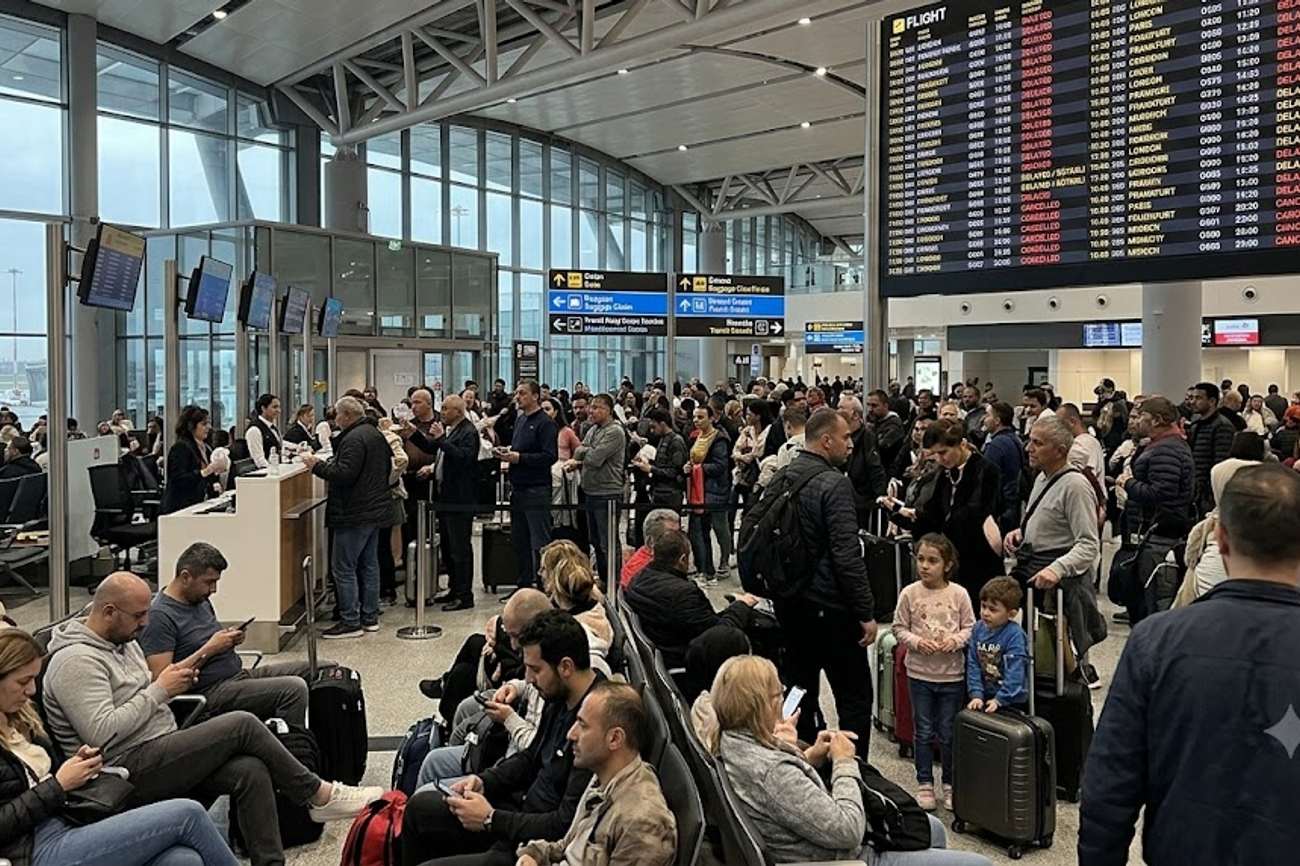
Hundreds Of Travelers Impacted Throughout Europe As Istanbul And 13 Others Face 2,575 Delays And 116 Cancellations

Quebec Cultural Tourism Gains Momentum as Canada Backs Orford Music with $334,750