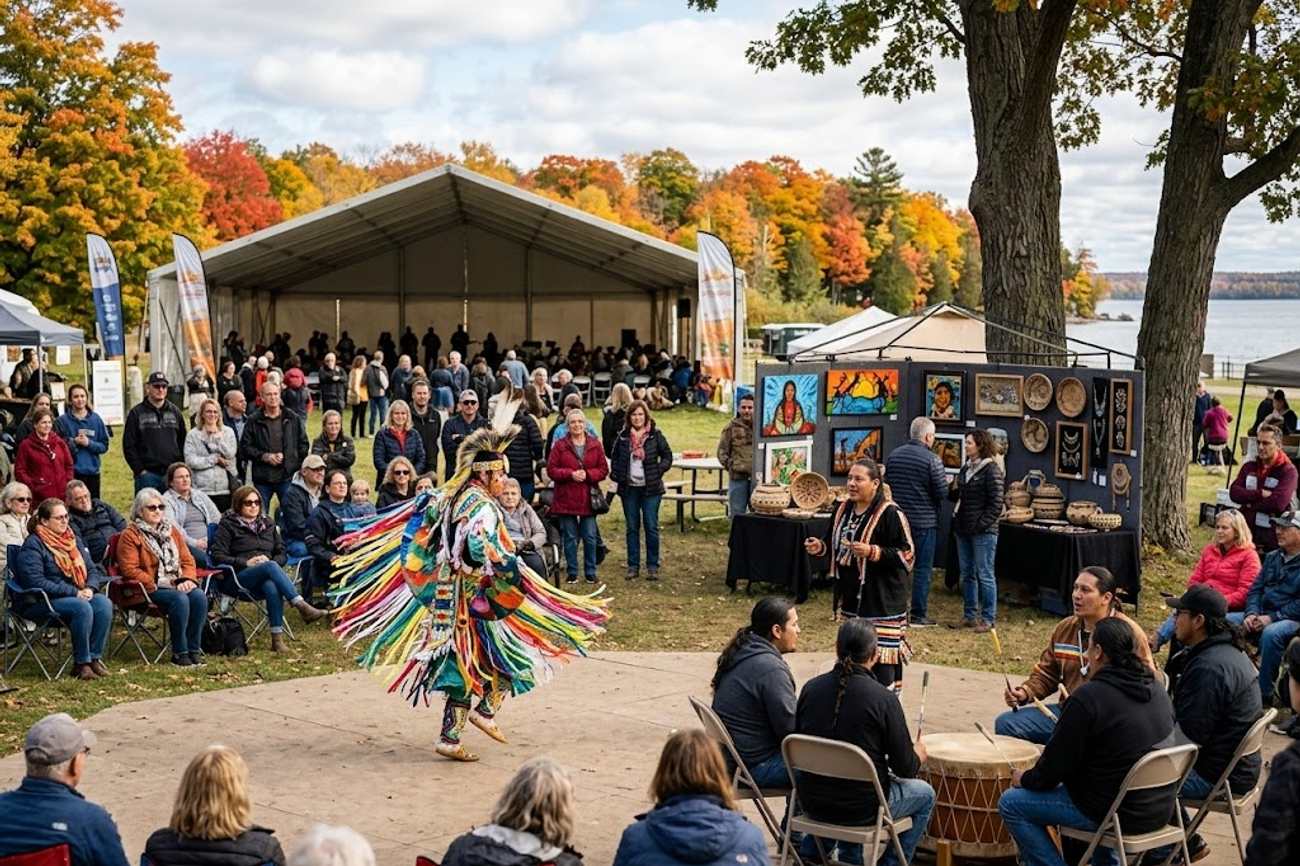
Japan’s Rural Renaissance: The Rise of Slow-Paced Tourism in 2026

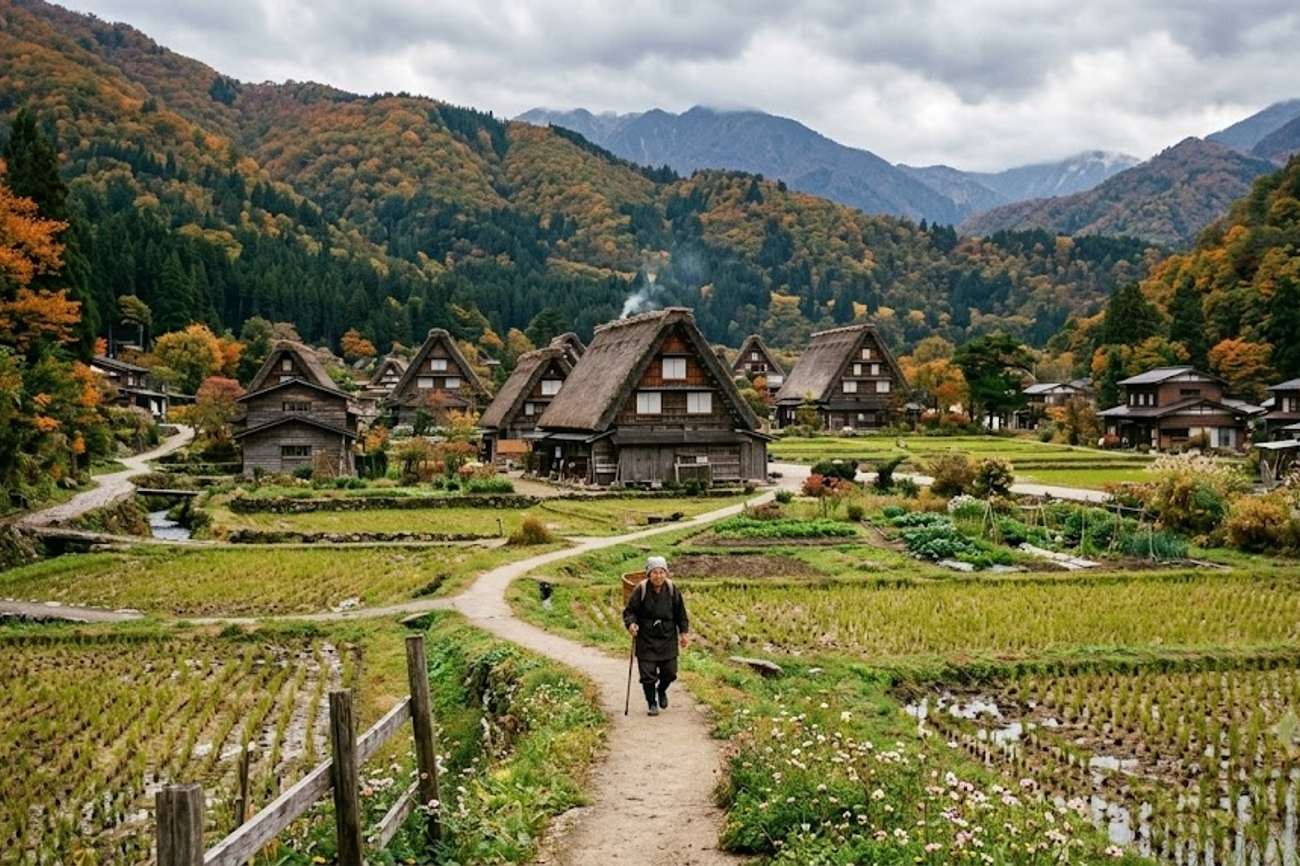
Image generated by AI
The Shift Toward Intentional Exploration
Japan is witnessing a fundamental pivot in visitor behavior. The traditional "Golden Route"—centering on the high-density hubs of Tokyo, Kyoto, and Osaka—is being bypassed by a growing demographic of travelers prioritizing "slow travel." This movement emphasizes quality of experience over quantity of sights.
Rather than rapid-fire sightseeing, 2026 travelers are opting for extended stays in remote settlements. The appeal lies in the ability to engage with local residents, participate in ancestral traditions, and experience the natural cadence of rural life. This shift is not merely a preference for quiet; it is a conscious move toward responsible exploration and cultural preservation.
Destinations Redefining the Japanese Journey
From the snow-capped peaks of Gifu to the coastal edges of the Noto Peninsula, several regions have emerged as leaders in this slow-tourism movement.
- Architectural Heritage: Villages like Shirakawa-go and Ine offer unique structural histories, from thatched-roof farmhouses to waterfront boathouses, providing a tactile connection to the past.
- Wellness and Solitude: The Iya Valley and Minamioguni are becoming sanctuaries for "digital detoxing," where mountain solitude and natural hot springs facilitate mental recovery.
- Agricultural and Coastal Immersion: Destinations such as Sado Island and the Noto Peninsula allow visitors to integrate into fishing and farming communities, shifting the traveler's role from observer to guest.
Rural Destinations for Slow Tourism in 2026
| Japanese Village / Rural Destination | Location | 2026 Slow Tourism Appeal | Key Experiences | Best Time to Visit | Primary Draw |
|---|---|---|---|---|---|
| Shirakawa-go | Gifu Prefecture | UNESCO-listed traditional countryside | Gassho-zukuri farmhouses, mountain walks, local cuisine | Winter, Spring, Autumn | Historic architecture & village rhythm |
| Noto Peninsula | Ishikawa Prefecture | Traditional coastal lifestyle & nature | Coastal walks, seafood, hot springs, satoyama landscapes | Spring to Autumn | Authentic rural living & community interaction |
| Ine | Kyoto Prefecture | Calm waterfront alternative to city Kyoto | Funaya boathouses, cycling, harbor views | Spring and Autumn | Fishing traditions & seaside tranquility |
| Iya Valley | Tokushima Prefecture | Remote solitude and mountain lifestyles | Vine bridges, hiking, traditional homes, hot springs | Autumn, Spring | Digital detox & nature immersion |
| Gujo Hachiman | Gifu Prefecture | Preserved water town culture | Old streets, waterways, craft workshops, festivals | Summer, Autumn | Community-based tourism & walking routes |
| Minamioguni | Kumamoto Prefecture | Wellness-focused forest landscapes | Kurokawa Onsen, nature retreats, local food | Autumn and Winter | Wellness & extended countryside stays |
| Kawanehon | Shizuoka Prefecture | Tea landscapes and rural rail | Tea farms, scenic trains, river activities | Spring and Autumn | Slower alternative to Mt. Fuji crowds |
| Shinjō-son | Okayama Prefecture | Authentic rural charm | Forests, local agriculture, traditional communities | Spring and Autumn | Agricultural tourism |
| Nakagawa | Nagano Prefecture | Nature-based mountain lifestyle | Hiking, local products, village experiences | Summer and Autumn | Nature connection |
| Sai Village | Aomori Prefecture | Remote northern atmosphere | Coastal scenery, fishing culture, northern landscapes | Summer | Off-the-beaten-path exploration |
| Oshino | Yamanashi Prefecture | Peaceful proximity to Mt. Fuji | Oshino Hakkai ponds, traditional houses, local food | Spring and Autumn | Quiet alternative to Fuji viewpoints |
| Sado Island | Niigata Prefecture | Heritage and island community | Traditional arts, coastline, historic sites | Spring to Autumn | Cultural immersion & island pace |
| Kinosaki Onsen | Hyōgo Prefecture | Traditional hospitality and relaxation | Hot springs, wooden streets, ryokan stays | Winter and Autumn | Wellness & unhurried experiences |
Why Rural Japan is Winning in 2026
The surge in rural popularity is driven by a desire for "Information Gain"—travelers want to learn things that cannot be found in a brochure. By staying in a ryokan in Kinosaki or walking the vine bridges of Iya Valley, visitors gain a nuanced understanding of Japanese resilience and harmony with nature.
This movement also provides a critical economic lifeline to aging rural populations. By diversifying tourism away from urban centers, these villages can fund the preservation of their historic architecture and traditional crafts, ensuring that the "authentic Japan" survives for future generations.
Key Takeaways
- Trend Shift: 2026 marks a transition from high-speed urban tourism to slow-paced rural immersion.
- Value Proposition: Travelers are prioritizing mental wellness, digital detoxing, and genuine community connection.
- Economic Impact: Slow tourism is helping remote villages preserve cultural heritage while gaining international visibility.
- Top Hubs: Gifu, Ishikawa, and Tokushima are leading the charge in providing authentic, low-density experiences.
FAQ
What is "slow travel" in the context of Japan? It is an approach to tourism that emphasizes staying longer in one place, reducing the number of destinations visited, and focusing on deep cultural engagement rather than rapid sightseeing.
Which rural areas are best for avoiding crowds? The Iya Valley in Tokushima and Sai Village in Aomori offer some of the most remote and quiet experiences in the country.
When is the best time to visit rural Japan for slow tourism? While each region varies, spring and autumn are generally ideal for nature and agriculture, while winter is best for snow landscapes in Gifu and hot spring towns like Kinosaki.
Related Travel Guides
This article is for informational purposes. Flight routes, passenger regulations, visa rules, and transit advisories are subject to change by airlines and aviation authorities. Readers are advised to verify schedules and travel documentation with relevant carriers and border agencies before departure.
Related Stories
Hundreds Of Travelers Impacted Throughout Europe As Istanbul And 13 Others Face 2,575 Delays And 116 Cancellations
Quebec Cultural Tourism Gains Momentum as Canada Backs Orford Music with $334,750