
Vietnam Digital Tourism Revolution Begins as AI and Smart Technology Transform the Future Traveller Journey
Vietnam Digital Tourism Revolution Begins as AI and Smart Technology Transform the Future Traveller Journey

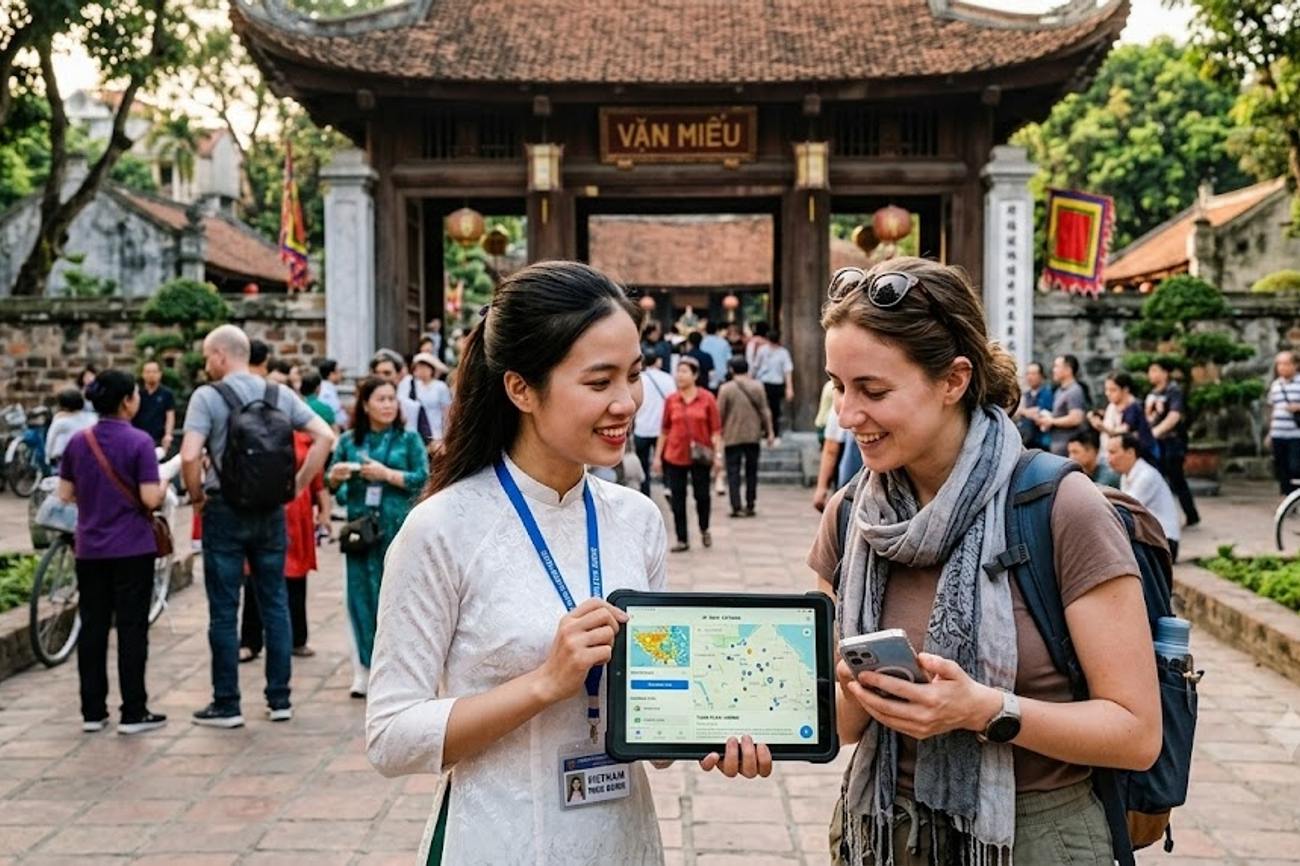
Image generated by AI
Vietnam is no longer just relying on the magnetism of its limestone karsts and ancient towns; it is currently rebuilding its entire tourism infrastructure around a government-led digital ecosystem. While most visitors still associate the country with slow-paced riverboats and street food stalls, the backend of the industry is undergoing a rapid shift toward AI-driven personalization and smart destination management to handle the massive surge of arrivals.
The Shift Toward Intelligent Travel
For decades, the narrative of visiting Vietnam centered on the "bucket list" circuit: the chaos of Hanoi, the lanterns of Hoi An, and the emerald waters of Ha Long Bay. However, the country is moving away from broad-stroke marketing. The current strategy, spearheaded by the Ministry of Culture, Sports and Tourism, focuses on a "digital tourism strategy" that replaces generic brochures with data-driven experiences.
The objective is a connected ecosystem where information flows seamlessly between the traveler, the local vendor, and the state. This isn't merely about having a website; it is about the implementation of smart destination management systems and digital tourism databases. By leveraging AI, Vietnam aims to move visitors away from the overcrowded hubs and toward lesser-known provinces, using personalized recommendations to distribute the economic benefits of tourism more evenly across the map.
What Makes Vietnam’s Tech Evolution Different
Unlike many destinations that leave digital innovation to private startups, Vietnam is integrating technology into its national governance. The government is actively encouraging the adoption of technology-based tourism products and data-driven planning. This means that the "smart" aspect of the journey is being designed to support the infrastructure itself—managing visitor flows to prevent the degradation of heritage sites and improving the efficiency of online visitor services.
Ho Chi Minh City has become the primary laboratory for this transformation. As the nation's economic engine and a primary gateway for MICE (Meetings, Incentives, Conferences, and Exhibitions) tourism, the city is deploying tourism applications and digital services to streamline the urban experience. For the traveler, this translates to a more connected journey from the moment they touch down at Tan Son Nhat International Airport to their final hotel check-out.
The scale of this necessity is evident in the numbers. According to the General Statistics Office, Vietnam welcomed approximately 21.2 million international visitors in 2025. This volume of traffic makes manual management impossible. To maintain quality, the country is leaning on AI to analyze travel patterns, allowing the state to monitor activity in real-time and adjust services to meet demand.
Visitor Insider Tips
To experience Vietnam through a local lens while navigating this new digital shift, you need to look beyond the primary apps.
Timing Your Visits To avoid the crushing crowds at UNESCO World Heritage sites like the Complex of Hué Monuments, arrive at the gates 30 minutes before opening. In the high season, the "smart" flow of tourists often peaks between 10:00 AM and 3:00 PM. Plan your explorations for the "golden hours" of 6:00 AM to 9:00 AM to see the cities wake up without the tour groups.
Local Etiquette and Digital Payments While the government is pushing for digital payments, Vietnam remains a cash-heavy society, especially in the highlands and rural villages. Always carry small denominations of Vietnamese Dong (VND) for street food and local markets. When using ride-hailing apps like Grab—which is essential for fair pricing in cities—be prepared for the driver to occasionally ask you to cancel the app and pay cash; politely insist on the app payment to ensure your trip is tracked for safety.
Neighborhood Bases In Ho Chi Minh City, avoid staying in the immediate vicinity of Ben Thanh Market if you want a local feel. Instead, look for boutique stays in District 3, where the French colonial architecture is preserved and the cafes are frequented by locals rather than tour groups. In Hanoi, the Old Quarter is iconic, but basing yourself in the Truc Bach area offers a quieter, more authentic lakeside rhythm.
Regional Specialties to Seek Move beyond Pho. In the central region, seek out Cao Lau in Hoi An—a noodle dish that traditionally uses water from a specific ancient Cham well. In the north, try Cha Ca La Vong (turmeric fish with dill), a Hanoi specialty that defines the city's culinary heritage.
Cultural and Environmental Context
The push toward "smart tourism" is not just about convenience; it is a response to the environmental pressure caused by the 21.2 million visitors arriving annually. Over-tourism in places like Ha Long Bay has led to significant pollution and ecological stress. By using AI to redirect travelers to "second-tier" destinations, Vietnam is attempting to protect its most fragile ecosystems from being loved to death.
There is also a social dimension to this digital shift. Small-scale entrepreneurs—homestay owners in Sapa or craft weavers in the Mekong Delta—who were previously invisible to the international market are now gaining access to global customers through digital platforms. This decentralization of tourism wealth helps preserve indigenous cultures by making traditional crafts economically viable for the younger generation, preventing the urban migration that often erodes rural heritage.
For those planning their logistics, the Visit Vietnam Official Tourism Website provides the most current guidelines on regional entries and updated travel protocols.
FAQ: Visiting Vietnam 2025
What is the best time to visit? The best windows are generally spring (March to May) and autumn (September to November). These periods offer the most balanced weather across both the north and south, avoiding the extreme heat of summer and the monsoon rains of winter.
Do I need a visa? Most nationalities require a visa, but Vietnam has streamlined this through an e-visa system. Check the official government portal at least two weeks before departure to ensure your application is processed.
How do I get there from major hubs? Most international travelers fly into Hanoi (North) or Ho Chi Minh City (South). For internal travel, domestic flights are fast, but the "Reunification Express" train is the best way to see the coastline between the two cities.
Is it safe for solo travelers? Yes, Vietnam is generally very safe for solo travelers. Use reputable ride-hailing apps for transport and stay in highly-rated hostels or boutique hotels to meet other travelers.
The true magic of Vietnam lies in the tension between its rapid digital leap and the timeless stillness of its rice paddies.
#VietnamTravel2025 #HoChiMinhCity #SmartTourism #VisitVietnam #SoutheastAsiaTravel #VietnamDigitalTransformation
Related Travel Guides
- Vietnam’s Khuan Bang Shows How Small Villages Can Create Big Tourism Opportunities Through Heritage and Community
- Bermuda Aligns Cayman Islands and More Dismantle Digital Nomad Tourism as Short-Term Rentals and Visa Schemes Face Major Regulatory Crackdown
- Costa Rica’s Digital Detox Tourism Boom Shows Why Travellers Are Searching for Silence and Slow Living
Disclaimer
This article is for informational and educational purposes only. It does not constitute legal, financial, or professional advice. While we strive to provide accurate and up-to-date information, travel policies, regulations, and conditions change rapidly. Always verify information with official sources before making travel decisions. Nomad Lawyer makes no representations about the accuracy, reliability, completeness, or suitability of the information provided. Readers should consult qualified professionals for advice specific to their circumstances. The views expressed in this article are those of the author and do not necessarily reflect the views of Nomad Lawyer.
Kunal K Choudhary
Co-Founder & Contributor
A passionate traveller and tech enthusiast. Kunal contributes to the vision and growth of Nomad Lawyer, bringing fresh perspectives and driving the community forward.
Learn more about our team →