
Vietnam and China Boost Border Tourism as Lang Son and Guangxi Create New Cross Border Travel Experiences
Vietnam and China Boost Border Tourism as Lang Son and Guangxi Create New Cross Border Travel Experiences

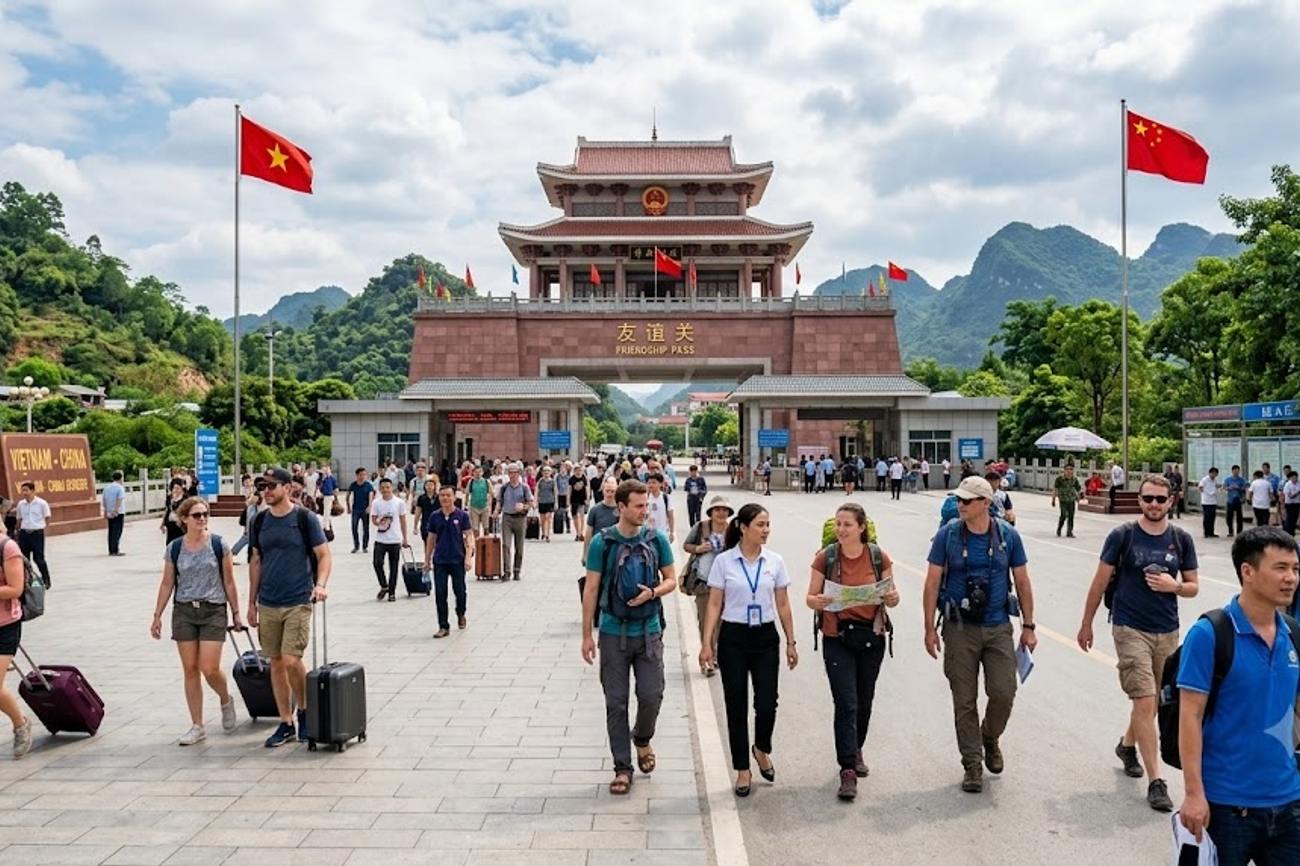
Image generated by AI
269,000 international visitors entered Lang Son province during the first nine months of 2026, a figure that underscores the immense latent demand for cross-border mobility between Northern Vietnam and Southern China. This surge in arrivals, largely driven by travelers from the Guangxi Zhuang Autonomous Region, has triggered a strategic pivot toward a formal "tourism corridor" model. Rather than treating the border as a binary point of entry and exit, authorities in Lang Son and Guangxi are now engineering a synchronized travel ecosystem designed to merge cultural, spiritual, and ecological assets into single, seamless itineraries.
The Geopolitical Logic of the Lang Son-Guangxi Corridor
The push for integrated tourism between Lang Son and Guangxi is not merely a promotional exercise; it is a calculated effort to leverage shared geographical and cultural kinship to stimulate regional economic growth. For decades, these two regions have maintained deep social ties, but the travel experience remained fragmented, characterized by disjointed logistics and rigid border formalities.
The recent tourism dialogue involving government authorities, travel agencies, and industry associations marks a shift toward "joint product development." By aligning their strategies, Lang Son and Guangxi are attempting to move away from the "day-trip" model—where visitors cross the border for short-term shopping or brief sightseeing—toward a "long-stay" model. This transition is intended to increase the average spend per visitor and distribute economic benefits more evenly across smaller, rural communities that have historically been bypassed by major tour operators.
This regional alignment mirrors broader trends seen in the World Tourism Organization (UNWTO) frameworks, where cross-border cooperation is used as a tool for soft diplomacy and economic stabilization. By creating a shared tourism identity, both regions are positioning themselves as a combined destination capable of competing with more established international hubs.
Infrastructure and Operational Shifts
The success of this corridor depends on the transition from separate regional offerings to combined travel routes. The strategic focus is currently split across several high-growth niches:
| Tourism Segment | Focus Areas | Target Demographic |
|---|---|---|
| Cultural & Spiritual | Historical sites, traditional customs, temples | Cultural explorers & pilgrims |
| Ecological | Natural landscapes, border forests, mountains | Adventure tourists & nature lovers |
| Logistical/Modern | Caravan travel, border shopping, digital hubs | Leisure visitors & luxury travelers |
A primary friction point remains the physical and bureaucratic crossing. To combat this, the current roadmap prioritizes the simplification of border procedures. This includes the integration of digital solutions to reduce queue times and the streamlining of visa or entry requirements for organized tour groups. For the traveler, this means a shift from manual, paper-heavy processing to a more digitized experience, which is essential for the viability of "caravan travel"—a high-spend segment that requires fluid movement across borders.
The role of the private sector is also being redefined. Travel agencies are being urged to move beyond simple ticket sales and toward the creation of "integrated packages." These packages would allow a traveler to start in a Guangxi city, traverse the border into Lang Son, and visit multiple ecological sites without needing to coordinate separate transport and lodging providers in each country.
Expert Analysis: The Economics of Border Integration
For travelers booking routes through Northern Vietnam and Southern China, the direct consequence of this cooperation will be a noticeable shift in pricing and package availability. When two regions synchronize their tourism products, they effectively create a "regional monopoly" on certain experiences, which can initially drive up prices for curated packages. However, the increased volume of visitors—evidenced by the 269,000 arrivals in early 2026—will likely force a competitive pricing environment for independent travelers.
The pricing pressure this creates means that local accommodation and transport providers in Lang Son will have to upgrade their service standards to meet the expectations of higher-spending Chinese tourists. We are seeing a move toward professionalization in the "border shopping" sector, transforming it from informal markets into structured retail experiences.
Furthermore, the emphasis on "lesser-known destinations" is a strategic move to prevent "overtourism" in major centers. By diverting traffic to ecological and spiritual sites in the hinterlands, Lang Son and Guangxi are hedging against the volatility of mass tourism. For the nomad or the slow traveler, this is a significant win: it opens up access to authentic cultural landscapes that were previously inaccessible due to a lack of organized transport or clear entry guidelines.
The reliance on International Air Transport Association (IATA) standards for regional connectivity and the potential for increased road-based infrastructure means that the "last mile" of the journey—the trip from the border checkpoint to the hotel—will become the primary area of investment. The real value for the traveler will not be the destination itself, but the reduction of "friction" (waiting times, language barriers, and payment hurdles) at the border.
Key Takeaways
- Volume Growth: Lang Son recorded 269,000 international arrivals in the first nine months of 2026, signaling a massive appetite for cross-border travel.
- Product Evolution: The shift is moving from fragmented, single-country trips to integrated "tourism corridors" combining Guangxi and Lang Son assets.
- Operational Focus: Priority is being placed on digitizing border procedures to reduce wait times and facilitate "caravan" and adventure tourism.
- Economic Diversification: New routes are specifically designed to push visitors away from urban centers and into rural ecological and spiritual sites.
- Private Sector Integration: Tour operators are being incentivized to create joint packages that cover logistics, lodging, and transport across both borders.
FAQ: Lang Son-Guangxi Travel 2026
Is it easier to travel between Lang Son and Guangxi now? Yes. Both regions are actively working to simplify border procedures and introduce digital solutions to reduce waiting times, making cross-border movement more efficient for tourists.
What types of tours are available in this corridor? Current developments focus on combined itineraries including spiritual tourism, ecological journeys, cultural heritage sites, and caravan travel that spans both Vietnam and China.
How many people are visiting Lang Son from abroad? In the first nine months of 2026, Lang Son welcomed approximately 269,000 international visitors, with a significant portion arriving from the neighboring Guangxi region.
Will there be more options for independent travelers? While the focus is on joint tour packages, the improvement in border infrastructure and the promotion of lesser-known destinations will likely make independent exploration more feasible.
The border is no longer a wall, but a gateway to a synchronized regional economy.
Tags: Lang Son Tourism, Guangxi Zhuang Autonomous Region, Vietnam-China Border 2026, Cross-Border Tourism Corridor, Southeast Asia Travel Logistics
Related Travel Guides
- Puerto Rico Steps Up With Barbados And Caribbean Nations To Protect Island Tourism As Beach Crowds, Cruises And Housing Pressures Rise
- Lightweight Hiking Shoes For Travellers Key Buying Tips For Comfort And Safer Outdoor Adventures
- Dubai Mall Alongside Thailand, Canada and More Creates New Era Of Global Travel Experiences
Disclaimer
This article is for informational and educational purposes only. It does not constitute legal, financial, or professional advice. While we strive to provide accurate and up-to-date information, travel policies, regulations, and conditions change rapidly. Always verify information with official sources before making travel decisions. Nomad Lawyer makes no representations about the accuracy, reliability, completeness, or suitability of the information provided. Readers should consult qualified professionals for advice specific to their circumstances. The views expressed in this article are those of the author and do not necessarily reflect the views of Nomad Lawyer.
Raushan Kumar
Founder & Lead Developer
Full-stack developer with 11+ years of experience and a passionate traveller. Raushan built Nomad Lawyer from the ground up with a vision to create the best travel and law experience on the web.
Learn more about our team →