Lightweight Hiking Shoes For Travellers Key Buying Tips For Comfort And Safer Outdoor Adventures

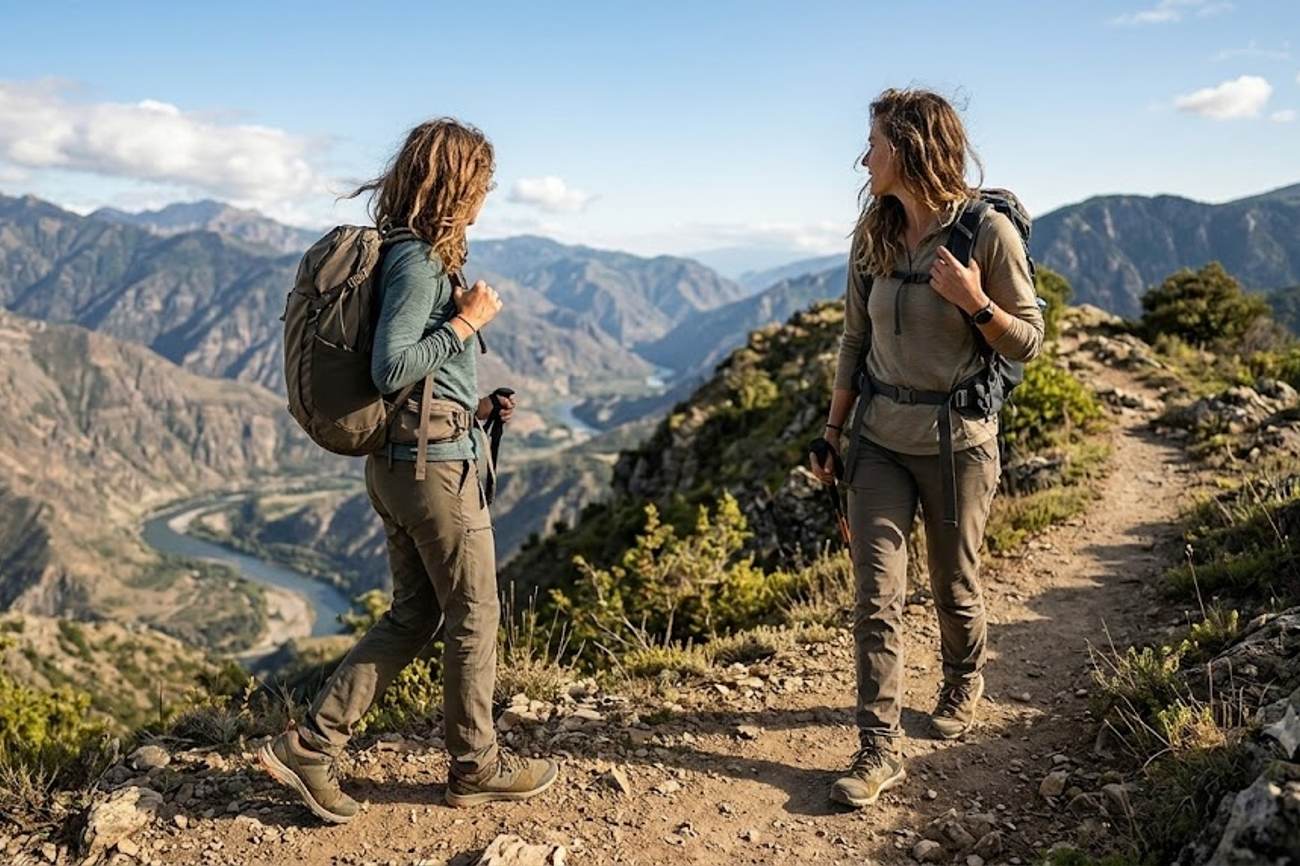
Image generated by AI
Are you struggling to decide between heavy-duty boots and athletic sneakers for your next nature excursion? Selecting the right footwear for outdoor transit is not just about comfort; it is a logistical decision that impacts your mobility, fatigue levels, and safety on the trail.
The Shift Toward Lightweight Hiking Footwear
For the modern traveler, the transition from traditional, rigid hiking boots to lightweight hiking shoes represents a move toward versatility. These shoes are engineered using advanced, low-mass materials and flexible soles, specifically designed for those navigating forest trails, accessible nature paths, and recreational walking routes. Unlike the heavy leather boots of the past, these options prioritize a low-cut profile to reduce the physical load on the traveler's feet during extended transit.
The primary logistical advantage of lightweight footwear is the reduction of "swing weight." In long-distance walking, every gram added to the extremities increases energy expenditure. By opting for a lighter construction, travelers can maintain a more natural rolling motion of the foot, which reduces fatigue during multi-hour excursions. However, this flexibility comes with a trade-off: a reduction in the structural barrier between the foot and the terrain. While a traditional boot acts as a shield against jagged rocks and unstable ground, a lightweight shoe acts more as a supportive interface for managed paths.
Footwear Specifications and Performance
When auditing your gear for an upcoming trip, you must match the shoe's technical specifications to the specific environment of your destination. The following table breaks down the performance metrics of lightweight hiking options compared to traditional gear.
| Feature | Lightweight Hiking Shoe | Mid-Cut Hiking Shoe | Traditional Hiking Boot | Status/Use Case |
|---|---|---|---|---|
| Weight | Low | Moderate | High | Optimized for low-impact trails |
| Sole Flexibility | High | Moderate | Low | Best for natural foot rolling |
| Ankle Support | Minimal | Moderate | Maximum | Required for rugged terrain |
| Breathability | High | Moderate | Low | Ideal for warm climates |
| Water Resistance | Variable | High | Maximum | Essential for wet/marshy areas |
| Terrain Suitability | Managed Paths | Mixed Terrain | Mountainous/Rugged | Route-dependent |
Traveler Logistics Guide
Choosing the right footwear is a critical part of your pre-trip checklist. To ensure your gear does not become a liability, follow these step-by-step logistics for selection and integration.
1. Route Assessment and Terrain Mapping Before purchasing, analyze your itinerary. Use tools like AllTrails or official national park maps to determine if your paths are "accessible" (gravel, paved, or packed dirt) or "technical" (loose scree, boulders, or steep inclines). If 80% of your route consists of managed trails, lightweight shoes are the optimal choice. If you encounter significant elevation changes or unstable ground, upgrade to mid-cut or high-cut options.
2. Managing the Waterproofing Paradox Logistically, you must choose between breathability and water resistance based on your destination's climate.
- For humid or hot environments: Prioritize non-membrane, breathable mesh. This prevents heat buildup and reduces the risk of blisters caused by internal moisture.
- For damp or rainy environments: Select shoes with a waterproof membrane. Note that these will inherently be warmer and less breathable.
- Pro Tip: If using waterproof shoes in high-heat areas, pack moisture-wicking merino wool socks to manage the lack of airflow.
3. Sizing and Fit Logistics Foot swelling is a common occurrence during long-distance transit. When fitting your shoes, ensure there is a thumb's width of space between your toes and the end of the shoe. This prevents "toe bang" during descents. Always test your footwear with the exact socks you intend to wear on the trip to ensure the internal volume of the shoe is correct.
4. Integration with Ground Transport One of the greatest advantages of lightweight hiking shoes is their "cross-over" capability. Because they resemble athletic trainers, they are suitable for airport transit, urban exploration, and nature walks. This reduces the need to pack multiple pairs of shoes in your luggage, saving weight and space in your carry-on.
When selecting lightweight hiking shoes for travel, it's essential to consider the terrain and weather conditions of your destination, as well as any specific regulations or guidelines that may apply. For example, the United States Department of Agriculture provides information on hiking and outdoor activities in national forests and grasslands. By researching your destination and choosing the right footwear, you can help ensure a safe and enjoyable outdoor adventure.
Regional Connectivity Impact
The adoption of lightweight footwear reshapes how travelers interact with regional nature hubs. In areas with well-developed trail systems—such as the groomed paths of European national parks or the accessible forest loops in North America—the barrier to entry for nature excursions is lowered. Travelers no longer need to invest in specialized, heavy gear for short-term visits.
This shift allows for more fluid transitions between urban centers and nature reserves. A traveler can arrive via Eurostar or a regional rail link, step off the train, and immediately begin a nature walk without needing to change footwear. The versatility of the lightweight hiking shoe enables a "seamless transit" model where the same pair of shoes functions for the commute, the city walk, and the forest trail.
However, this trend also requires travelers to be more disciplined about route planning. The danger lies in using "recreational" footwear on "technical" terrain. For those venturing into the Alps or the Rockies, the lack of ankle support in lightweight shoes can lead to instability. The logistics of the trip must dictate the gear, not the other way around.
FAQ: Hiking Footwear Logistics 2024
Do I need a transit visa for nature reserves? Visas are determined by national borders, not park boundaries. However, some protected reserves require a separate entry permit or "hiking pass" which should be secured online before arrival.
Can I wear lightweight hiking shoes on mountain routes? Only if the routes are well-marked and maintained. For rugged, uneven, or rocky terrain, the lack of ankle support and sole thickness in lightweight shoes may increase the risk of injury.
How do I maintain waterproof membranes during a trip? Avoid using harsh detergents. Use a damp cloth to remove mud immediately after a walk, as dried dirt can clog the pores of the waterproof membrane, reducing its effectiveness.
Should I break in lightweight shoes before my trip? Yes. Even lightweight shoes require a "break-in" period. Wear them for at least 20-30 kilometers of mixed walking to identify potential friction points and avoid blisters during your actual journey.
Pack light, walk far, and always match your soles to your soil.
Related Travel Guides
- Dubai Mall Alongside Thailand, Canada and More Creates New Era Of Global Travel Experiences
- South Africa Rewrites Africa And Gulf Travel Rules As Oman Visa Free 14 Day Access Creates New Visitor Opportunities
- Berlin and More Reshape Europe’s Eco-Tourism as Housing and Grid Resilience Drive a New Urban Travel Era
This article is for informational purposes. Flight routes, passenger regulations, visa rules, and transit advisories are subject to change by airlines and aviation authorities. Readers are advised to verify schedules and travel documentation with relevant carriers and border agencies before departure.
Related Stories

European Mass Protests Disrupt Travel Across France, Italy, Belgium, and Turkey in 2026

Israel Tourism Recovery 2026: North American Flight Restorations and New ETA-IL Entry Rules