Puerto Rico Steps Up With Barbados And Caribbean Nations To Protect Island Tourism As Beach Crowds, Cruises And Housing Pressures Rise

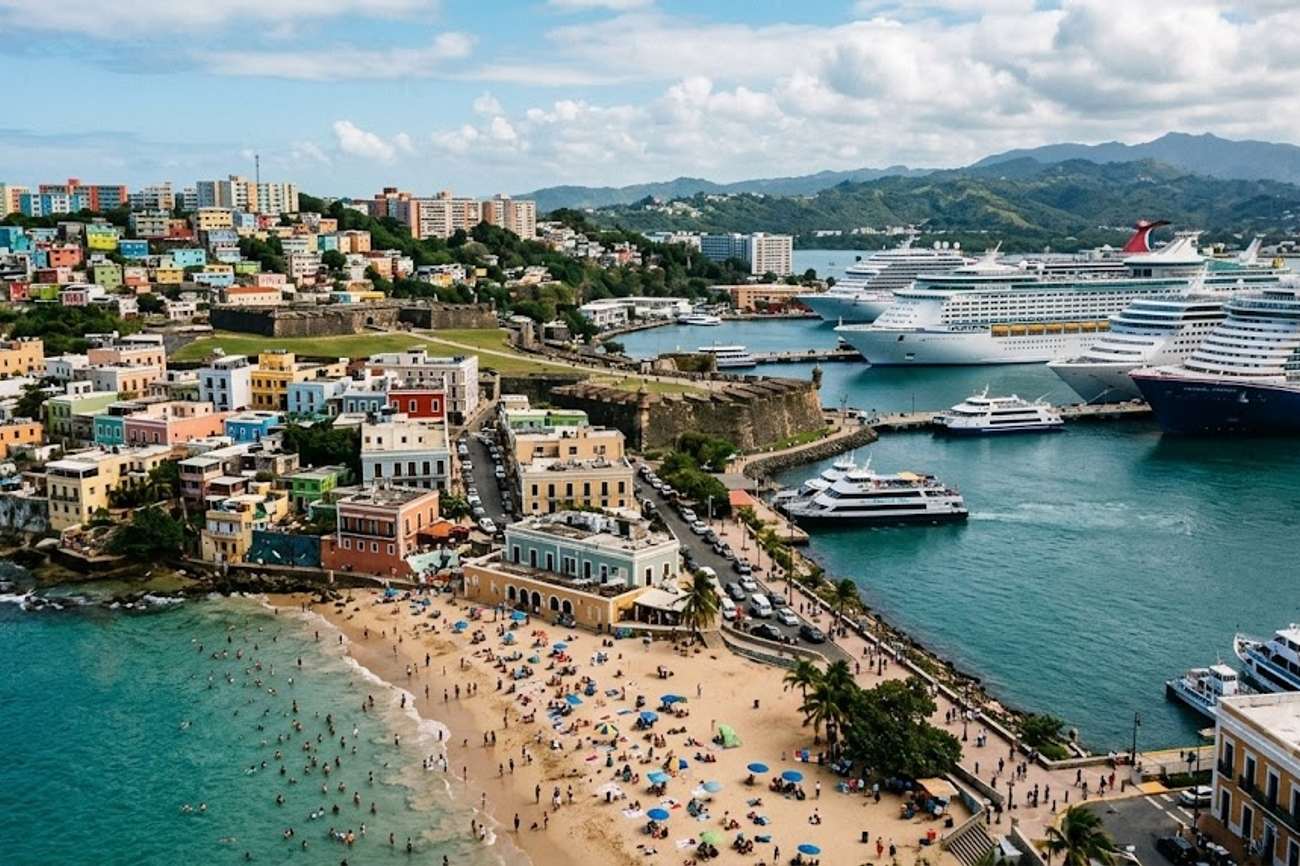
Image generated by AI
[San Juan, October 2023] — Caribbean governments are aggressively pivoting their tourism strategies to combat "overtourism" as unprecedented visitor demand threatens the environmental stability and social fabric of the region's most popular islands.
Officials in Puerto Rico, Barbados, the Bahamas, Jamaica, and the Dominican Republic are shifting focus from raw growth metrics to "balanced tourism models." This systemic change follows years of escalating pressure on limited land, water resources, and transport networks, exacerbated by the arrival of massive cruise ships that dump thousands of passengers into concentrated urban and coastal zones within hours.
The Cruise Surge and Infrastructure Collapse
The primary catalyst for this crisis is the scale of modern cruise tourism. In destinations like the Port of San Juan, the sudden influx of thousands of passengers creates immediate, acute demand for public services, roads, and restaurants. This "pulse" effect creates a volatility that local infrastructure cannot sustain.
In the Bahamas, the concentration of arrivals in Nassau has led to severe street congestion and heightened waste levels. To mitigate this, cruise lines are increasingly investing in private island destinations—controlled environments designed to divert passenger flows away from traditional public ports and reduce the burden on local municipal services.
Beyond the ports, the rise of short-term rental investments has triggered a secondary crisis: housing instability. In several islands, the conversion of residential properties into tourist accommodations has pushed local residents out of their own neighborhoods and increased the cost of living, leading to growing friction between the tourism industry and local communities.
Markets Under Maximum Pressure
The impact of overtourism varies by island geography and economic dependency, but the trend toward saturation is universal across the high-demand corridor.
| Destination | Primary Pressure Point | Key Impact Areas |
|---|---|---|
| Puerto Rico | Old San Juan / Cruise Ports | Heritage sites, narrow streets, public infrastructure |
| Barbados | Coastal Beach Zones | Marine ecosystems, coastal development, resource scarcity |
| The Bahamas | Nassau / Cruise Hubs | Waste management, transport capacity, marine health |
| Jamaica | Montego Bay, Negril, Ocho Rios | Resort saturation, beach overcrowding, cultural sites |
| Dominican Republic | Punta Cana | Rapid coastal development, waste, resource demand |
| Sint Maarten | Town Centers / Ports | Local community displacement, transport gridlock |
Practical Traveler Advisory and Strategic Insights
For the average tourist, the era of unrestricted access to the Caribbean's most famous landmarks is ending. Travelers should expect the following shifts in the coming months and years:
1. Diversion to "Secondary" Destinations: Governments are actively discouraging visits to traditional hotspots. Travelers booking trips to Montego Bay or Punta Cana may find more incentives, lower costs, or better availability if they venture into community-based tourism zones or less-visited islands.
2. Stricter Access to Heritage Sites: In areas like Old San Juan, expect tighter management of pedestrian flows and potentially new regulations regarding visitor access to protect historic neighborhoods from degradation.
3. Environmental Levies and Restrictions: As islands like Barbados prioritize "island protection," travelers may encounter new environmental fees or restrictions on beach access and coastal activities to protect fragile ecosystems.
4. Shift in Cruise Experiences: With the rise of private cruise islands, passengers may find themselves spending less time in authentic local ports and more time in curated, corporate-managed environments.
The Path Toward Sustainable Growth
The regional strategy is now focused on "tourism spread"—the intentional redistribution of visitors across a wider geographic area. Jamaica is leading this effort by promoting community tourism, aiming to move income from luxury resort enclaves into local villages and nature attractions.
As Puerto Rico joins forces with Barbados and other Caribbean nations to protect island tourism, officials are working to manage the influx of visitors while preserving the region's natural beauty and infrastructure. The Puerto Rico Tourism Company is implementing sustainable tourism practices and promoting eco-friendly activities to reduce the impact of tourism on the environment. This initiative aims to balance the needs of tourists and locals alike, ensuring a positive experience for all.
In the Dominican Republic, the government is attempting to diversify its offering beyond the luxury resort model of Punta Cana. The goal is to reduce the environmental footprint of massive coastal developments while maintaining the economic benefits of international connectivity.
Smaller territories, such as the Cayman Islands and Sint Maarten, face the steepest climb. Because their infrastructure has the lowest absolute capacity, the impact of a single large cruise ship is magnified. These destinations are now prioritizing waste management and transport logistics to prevent total systemic failure during peak seasons.
The Caribbean Tourism Organization (CTO) and local regulatory bodies are increasingly viewing tourism not as a volume game, but as a resource management challenge. The transition toward sustainability is no longer a corporate social responsibility goal; it is a survival necessity for islands whose primary economic engine—their natural beauty—is being eroded by its own success.
FAQ: Caribbean Overtourism 2023
Will these changes make it harder to visit popular beaches? Yes. Expect more managed access, potential fees, and a push toward less-crowded "hidden gems." Authorities are actively trying to reduce the concentration of visitors in high-traffic coastal zones to prevent environmental collapse.
How does "tourism spread" affect my vacation planning? It encourages you to look beyond the main resort hubs. By visiting community-led tours or secondary towns, you will likely find more authentic experiences and contribute more directly to the local economy.
Are cruise itineraries changing because of this? Yes. There is a noticeable shift toward private islands and controlled environments to reduce the pressure on public infrastructure in ports like Nassau and San Juan.
Is the housing crisis in the Caribbean affecting hotel prices? Indirectly, yes. As more residential homes move into the short-term rental market, it changes the local economic landscape, which can lead to higher service costs and shifting availability in the hospitality sector.
The Caribbean is no longer seeking more tourists; it is seeking the right kind of tourism.
Related Travel Guides
- Lightweight Hiking Shoes For Travellers Key Buying Tips For Comfort And Safer Outdoor Adventures
- Dubai Mall Alongside Thailand, Canada and More Creates New Era Of Global Travel Experiences
- South Africa Rewrites Africa And Gulf Travel Rules As Oman Visa Free 14 Day Access Creates New Visitor Opportunities
This article is for informational purposes. Flight routes, passenger regulations, visa rules, and transit advisories are subject to change by airlines and aviation authorities. Readers are advised to verify schedules and travel documentation with relevant carriers and border agencies before departure.
Related Stories

European Mass Protests Disrupt Travel Across France, Italy, Belgium, and Turkey in 2026

Spain Tourism 2030 Strategy: New Logistics and Regulations for Barcelona, Madrid, and the Islands