The Ultimate 12-Day Fall Foliage Route: Boston to Toronto via Vermont, Québec, and Algonquin 2026

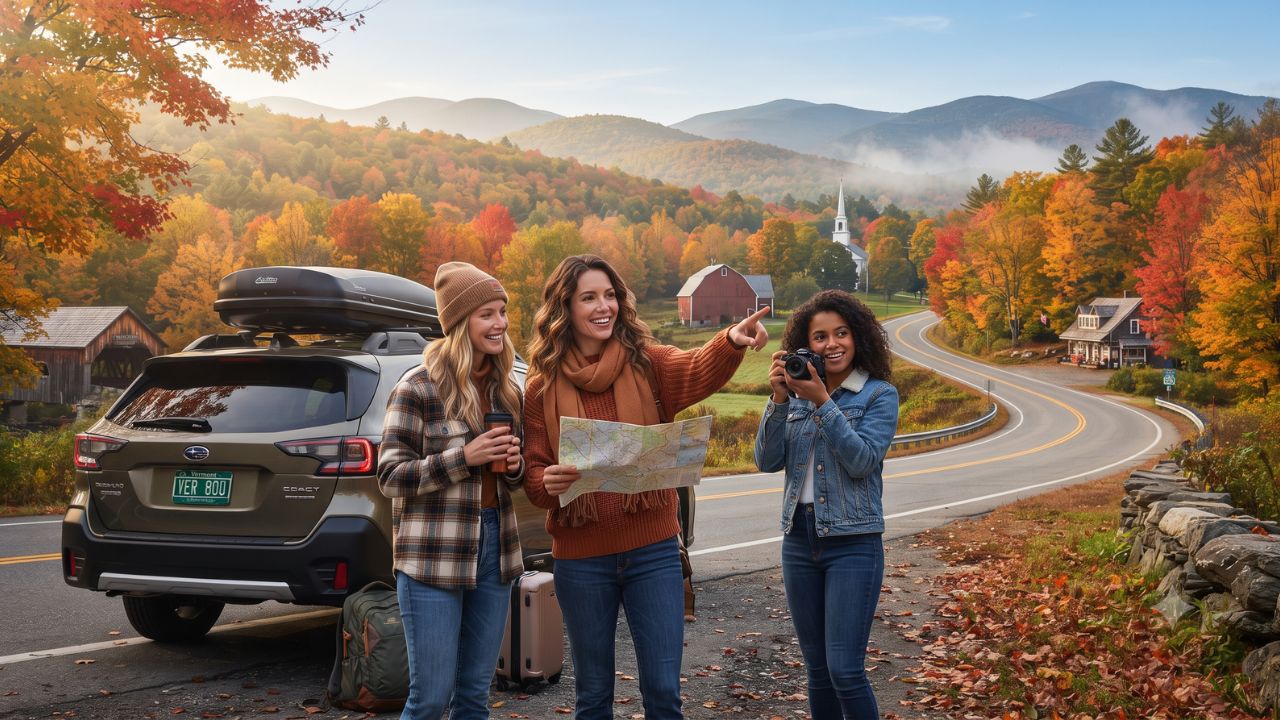
Autumn color across northeastern North America does not ignite simultaneously; rather, it cascades south and downhill in a predictable geographic wave, beginning in high-elevation boreal summits in late September before sweeping through coastal river valleys in late October. Rather than confining a vacation to a single county, experienced autumn road trippers connect this natural progression through a seamless 12-day cross-border circuit starting in Boston and concluding in Toronto.
Traversing six distinct jurisdictions—Massachusetts, Vermont, New Hampshire, Maine, Québec, and Ontario—this route weaves through historic covered bridges, maple syrup sugarhouses, French-Canadian dark-sky mountain reserves, and rugged glacial lake country. Supported by resources from Vermont Vacations and Bonjour Québec, this journey allows travelers to experience peak foliage repeatedly across both the United States and Canada.
The 12-Day Cross-Border Itinerary: Mile-by-Mile Breakdown
Timing this journey across early to mid-October aligns with peak chlorophyll breakdown across northern hardwood forests:
- Days 1–2: Massachusetts and the Historic Mohawk Trail: Departing Boston, head west through historic Concord and past the Quabbin Reservoir toward the Berkshires. Follow the scenic Mohawk Trail along Route 2 between Orange and North Adams, stopping at the French King Bridge, Shelburne Falls' historic Bridge of Flowers, the iconic hairpin turn, and the summit of Mount Greylock for sweeping views across the Berkshire hills.
- Days 3–4: Vermont's Iconic Route 100 Corridor: Travel north along Vermont Route 100, the scenic spine of the Green Mountains. Connecting Woodstock, Killington, Waitsfield, Waterbury, and Stowe, this highway frames classic New England scenery with red barns, white village steeples, covered bridges, artisan cheese dairies, and fresh cider mills. Northern Vermont typically turns in early October, followed closely by central valleys.
- Days 5–6: New Hampshire's White Mountains and Kancamagus Highway: Cross east into New Hampshire to explore Franconia Notch and Crawford Notch near North Conway. The highlight is the 34.5-mile Kancamagus Highway (Route 112) through the White Mountain National Forest between Lincoln and Conway, offering pristine, commercial-free river overlooks and vibrant scarlet maple ridges.
- Day 7: Western Maine's Rangeley Lakes: Head north along the Rangeley Lakes National Scenic Byway toward Height of Land, where expansive vistas look across Mooselookmeguntic Lake and multi-layered mountain ridges bathed in gold and rust.
- Days 8–9: Québec's Eastern Townships and Dark-Sky Reserve: Cross the international border into Québec to explore the 193-kilometer Route des Sommets, which winds through 18 picturesque villages, Mont-Ham, and Frontenac National Park. At Mont-Mégantic National Park, enjoy daytime alpine hiking and night stargazing within the world's first International Dark Sky Reserve. Continue north toward Baie-Saint-Paul along the scenic Route du Fleuve in Charlevoix, where forested mountains plunge into the St. Lawrence River.
- Days 10–12: Ontario's Algonquin Provincial Park and Muskoka Lakes: Drive west past Ottawa along Highway 60 through Algonquin Provincial Park, exploring the Lookout Trail and serene canoe routes before winding through the classic cottage country of Huntsville and Muskoka, concluding your road trip in cosmopolitan Toronto.
What Makes This Cross-Border Circuit Experientially Unique
Few road journeys in the world offer such sudden and dramatic transitions in culture, cuisine, and forest ecology.
In New England, the roadside experience revolves around roadside farm stands selling warm cider donuts, pure Grade A amber maple syrup, and sharp cheddar cheeses in general stores operating since the 1800s. The dense presence of sugar maples (Acer saccharum) creates intense neon-red and vibrant orange canopies that contrast brilliantly with white clapboard colonial architecture.
Crossing the border into Québec, the sensory atmosphere shifts immediately into French-Canadian art de vivre. Roadside cabanes à sucre, artisan duck rillettes, warm croissants, and regional microbreweries line winding country lanes where French is the primary language.
In Ontario, the Canadian Shield introduces a wilder, boreal character where golden birch and trembling aspen stand alongside ancient white pines and granite shorelines, evoking the famous paintings of Canada's Group of Seven.
Visitor Insider Tips for Cross-Border Autumn Travel
Navigating a multi-state and multi-province foliage road trip requires specific preparations:
- Prepare Valid Passports and Border Documents: Ensure your passport is valid for at least six months beyond your travel dates. If traveling with rental vehicles, obtain written cross-border authorization from your car rental agency before departing Boston.
- Reserve Algonquin Day-Use Vehicle Permits in Advance: Ontario Parks requires advance day-use vehicle permits for Highway 60 corridor trailheads and visitor centers during peak autumn weekends to prevent congestion. Book permits online up to five days prior to arrival.
- Hit Mountain Passes Before 09:00: High-traffic scenic routes like the Kancamagus Highway and Vermont Route 100 experience heavy weekend traffic between 11:00 and 16:00. Start drives at sunrise to enjoy mist rising off mountain streams and empty roadside pull-offs.
- Download Offline Maps for Remote Segments: Mobile cellular reception is sparse in the White Mountain National Forest, western Maine around Rangeley, and Algonquin Provincial Park. Download regional navigation maps and trail guides to your phone before leaving urban centers.
- Carry a Mix of US Dollars and Canadian Contactless Cards: While major credit cards are universally accepted, carry local currency for rural farm stands in Vermont and roadside maple syrup honor boxes in Québec.
Cultural and Environmental Context: Sustainable Leaf-Peeping
The annual arrival of millions of autumn travelers provides crucial seasonal revenue to rural mountain communities, yet it also creates environmental challenges for delicate forest ecosystems.
State and provincial forestry agencies actively monitor the impact of climate shifts on leaf pigmentation. Warmer autumn nights and summer droughts can delay or mute color intensity, underscoring the importance of regional forest conservation and carbon reduction initiatives.
Visitors are urged to practice Leave No Trace principles: parking only in designated gravel turnouts to avoid crushing roadside vegetation, packing out all trash, refraining from picking wild mushrooms or breaking branches, and respecting private farmland boundaries along scenic country roads.
FAQ: Boston to Toronto Fall Foliage Trip 2026
What is the single best two-week window for this road trip?
The first two weeks of October (approximately October 1 to October 15) provide the highest statistical probability of encountering peak color across northern Vermont, New Hampshire, Québec, and Ontario.
Can I do this road trip in reverse starting in Toronto?
Yes. Starting in Toronto in early October and driving east toward Boston allows you to follow the color progression southward as southern New England reaches peak color later in the month.
Do I need an all-wheel-drive vehicle for this route?
A standard sedan is suitable for all paved state and provincial highways, though all-wheel-drive provides extra stability on unpaved gravel access roads in Maine and Québec state parks.
How do border crossings work between Maine and Québec?
Land border ports of entry operate daily with standard passport and customs inspections. Be prepared to declare agricultural products, fresh fruits, and firewood, which are strictly regulated.
From the fiery ridges of the Green Mountains to the tranquil granite shores of Algonquin, this cross-border journey captures autumn in its purest North American expression.
Related Travel Guides
This article is for informational purposes. Flight routes, passenger regulations, visa rules, and transit advisories are subject to change by airlines and aviation authorities. Readers are advised to verify schedules and travel documentation with relevant carriers and border agencies before departure.
Related Stories

European Mass Protests Disrupt Travel Across France, Italy, Belgium, and Turkey in 2026
Bruges Tops Europe's 2026 Autumn Tourism Ranking: Legal Rights for City Break Travelers