
Vermont Unveils First Dedicated Statewide Tourism Brand to Drive Sustainable Growth
Vermont launches its first dedicated statewide tourism brand to reduce seasonal congestion, promote sustainable travel, and highlight year-round attractions.

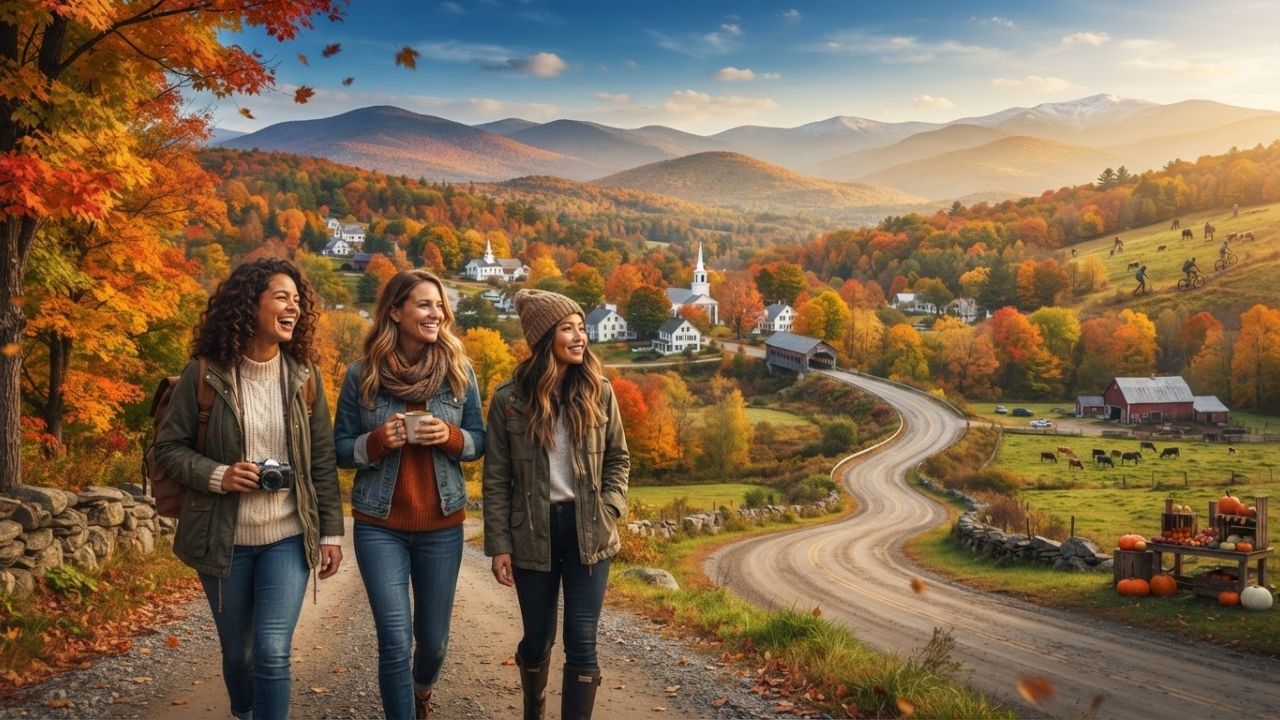
Image generated by AI
Vermont has introduced its first dedicated statewide tourism brand, establishing a unified identity to compete in the crowded New England travel market. Designed by the Vermont Department of Tourism and Marketing, the initiative aims to reduce seasonal visitor concentration by promoting year-round travel, highlighting agricultural tourism, and encouraging sustainable exploration across rural communities.
Unifying the Journey: The Strategy Behind Vermont's First Statewide Brand
Vermont is entering a new chapter in its destination marketing history with the introduction of its first dedicated statewide tourism brand. The initiative aims to build a cohesive identity for the state, drawing visitors throughout the calendar year and highlighting experiences that extend beyond its highly popular autumn foliage and winter ski seasons. This strategy reflects a broader transformation in how states approach tourism promotion, moving away from fragmented campaigns for individual attractions in favor of a single, unified travel narrative.
Historically, the state has relied on separate regional organizations to market local attractions. However, in an increasingly crowded travel marketplace where competing destinations are investing heavily in digital outreach, state officials identified the need for a coordinated statewide message. The new brand connects Vermont's diverse offerings—ranging from wilderness recreation in the Green Mountains to local farm experiences—under one main identity. For travelers, this unified approach makes it easier to discover lesser-known regions, encouraging longer stays and more diverse exploration.
By presenting a single, clear message to domestic and international travelers, the marketing campaign focuses on the complete state journey. Rather than viewing the destination solely as a place for autumn leaf-peeping or winter snowboarding, the brand highlights the year-round connection between nature, community, agriculture, and outdoor adventure.
Mitigating Over-Tourism: How Year-Round Promotion Protects Local Infrastructure
One of the primary goals of the new branding strategy is to address seasonal visitor concentration. Autumn has traditionally been the busiest travel period, bringing a massive influx of tourists to look at the colorful forests. While this foliage season generates significant revenue, the intense concentration of visitors over a short window puts immense pressure on local roads, state parks, and municipal services. It also creates challenges related to seasonal lodging availability and local workforce shortages.
To distribute the economic benefits of tourism more evenly, the new brand emphasizes the value of all four seasons. The spring mud season, the warm summer months, and the winter snow period are actively promoted to create continuous, stable tourism demand. By showcasing activities like summer cycling, spring maple harvesting, and off-season mountain hiking, the state aims to attract a steady flow of visitors year-round.
This balanced approach helps protect local infrastructure while supporting hospitality workers who often face seasonal employment instability. By encouraging travelers to visit during shoulder seasons and explore quieter rural counties, the state is working to prevent the crowd congestion that can erode the quality of life for residents and degrade the visitor experience.
From Sap to Table: Highlighting Vermont's Agritourism and Culinary Traditions
The state's culinary and agricultural heritage forms a cornerstone of the new branding identity. Vermont's food culture is closely tied to its rural landscapes, and the brand is designed to help travelers connect directly with these local producers. Culinary tourism has grown rapidly, as modern travelers seek out authentic flavors and transparent food supply chains.
The state will actively promote its farm-to-table dining scene, historic maple sugar houses, artisan cheese producers, and local craft beverage makers. By visiting local farmers markets and purchasing directly from family-run farms, travelers support the state's agricultural economy directly. These experiences provide educational opportunities, allowing visitors to learn about traditional food production methods, from tapping maple trees to aging raw-milk cheeses.
This direct support of the local food economy ensures that tourism capital remains within the communities, helping to preserve the historic family farms that define the state's open land. Connecting travelers with agricultural producers also fosters a deeper appreciation for the work involved in maintaining the working countryside, creating a mutually beneficial relationship between hosts and visitors.
Environmental Stewardship: Balancing Visitor Growth with Preservation
Because Vermont's natural environment is its most valuable tourism asset, sustainability is central to the state's branding strategy. The destination's vast forests, clean waterways, and mountainous hiking corridors require careful management to ensure they remain pristine for future generations. The state's planning approach focuses on balancing tourism growth with strict environmental protection and community well-being.
The Vermont Department of Tourism and Marketing is working alongside regional conservation bodies, such as the Green Mountain Club, to promote responsible travel practices. Travelers are encouraged to stick to designated trail networks to prevent soil erosion, carry out all waste, and utilize eco-certified lodging facilities. This sustainable focus matches global travel trends, as an increasing number of tourists actively seek out destinations that demonstrate a commitment to environmental preservation.
By framing tourism around conservation, the new brand aims to educate visitors on the fragile nature of the ecosystems they explore. This focus on low-impact travel ensures that the growth of the visitor economy does not come at the expense of the state's biodiversity or the peace of its rural towns.
Local Insider Guide: Experiencing Vermont Responsibly
To help you plan a meaningful journey that supports local communities and minimizes your environmental impact, follow these expert insider recommendations:
- Optimal Visit Windows: While autumn offers spectacular colors, consider visiting during the late spring (late May to June) or early summer. During these months, the mountain trails are green, local farm stands are stocked with early harvests, and the state's popular towns are far less crowded than during the peak foliage season.
- Farm Etiquette: When visiting local maple sugar houses or artisan cheese dairies, remember that these are active agricultural work zones. Always follow safety signs, keep children close, and purchase products directly from the farm stores to support the operators.
- Local Dining Specialties: Skip the highway fast food and seek out independent general stores. Sample local maple creemees (a rich, maple-flavored soft-serve ice cream), artisan cheddar cheeses, wood-fired sourdough breads, and fresh cider donuts made at local orchards.
- Under-the-Radar Spots: Avoid the heavily trafficked routes and explore the Northeast Kingdom. This northern region offers pristine glacial lakes, extensive gravel cycling paths, and quiet historic villages that receive a fraction of the visitors found in the southern ski resort towns.
Future-Proofing the Green Mountain State: Long-Term Tourism Outlook
The launch of Vermont's first dedicated statewide tourism brand represents a major transition in the state's marketing strategy. By moving from a seasonal focus to a year-round promotion model, the state is positioning itself to build a resilient, sustainable visitor economy. This approach ensures that tourism remains a stable driver of local employment and community development.
The long-term success of the initiative will depend on the state's ability to balance visitor growth with the protection of its natural and cultural resources. By prioritizing nature-based solutions, community integration, and sustainable travel education, Vermont is setting an example for how historic destinations can adapt to modern travel demands.
Ultimately, the state's greatest strength is its authenticity. By focusing the new brand on real communities, local traditions, and natural beauty, Vermont is ensuring that it remains a premier destination for travelers seeking meaningful, responsible journeys.
Related Travel Guides
Montana Nonresident Tourism Spending Surges to Five Point Six Billion Dollars
Disclaimer
This article is for informational and educational purposes only. It does not constitute legal, financial, or professional advice. While we strive to provide accurate and up-to-date information, travel policies, regulations, and conditions change rapidly. Always verify information with official sources before making travel decisions. Nomad Lawyer makes no representations about the accuracy, reliability, completeness, or suitability of the information provided. Readers should consult qualified professionals for advice specific to their circumstances. The views expressed in this article are those of the author and do not necessarily reflect the views of Nomad Lawyer.
Kunal K Choudhary
Co-Founder & Contributor
A passionate traveller and tech enthusiast. Kunal contributes to the vision and growth of Nomad Lawyer, bringing fresh perspectives and driving the community forward.
Learn more about our team →