
India Astro-Tourism Report 2026: Ladakh and Spiti Lead Global Dark Sky Travel Trend
Astro-tourism has emerged as a dominant travel trend in 2026, with India's remote regions like Ladakh and Spiti Valley becoming global hotspots for dark sky journeys and cosmic wellness.

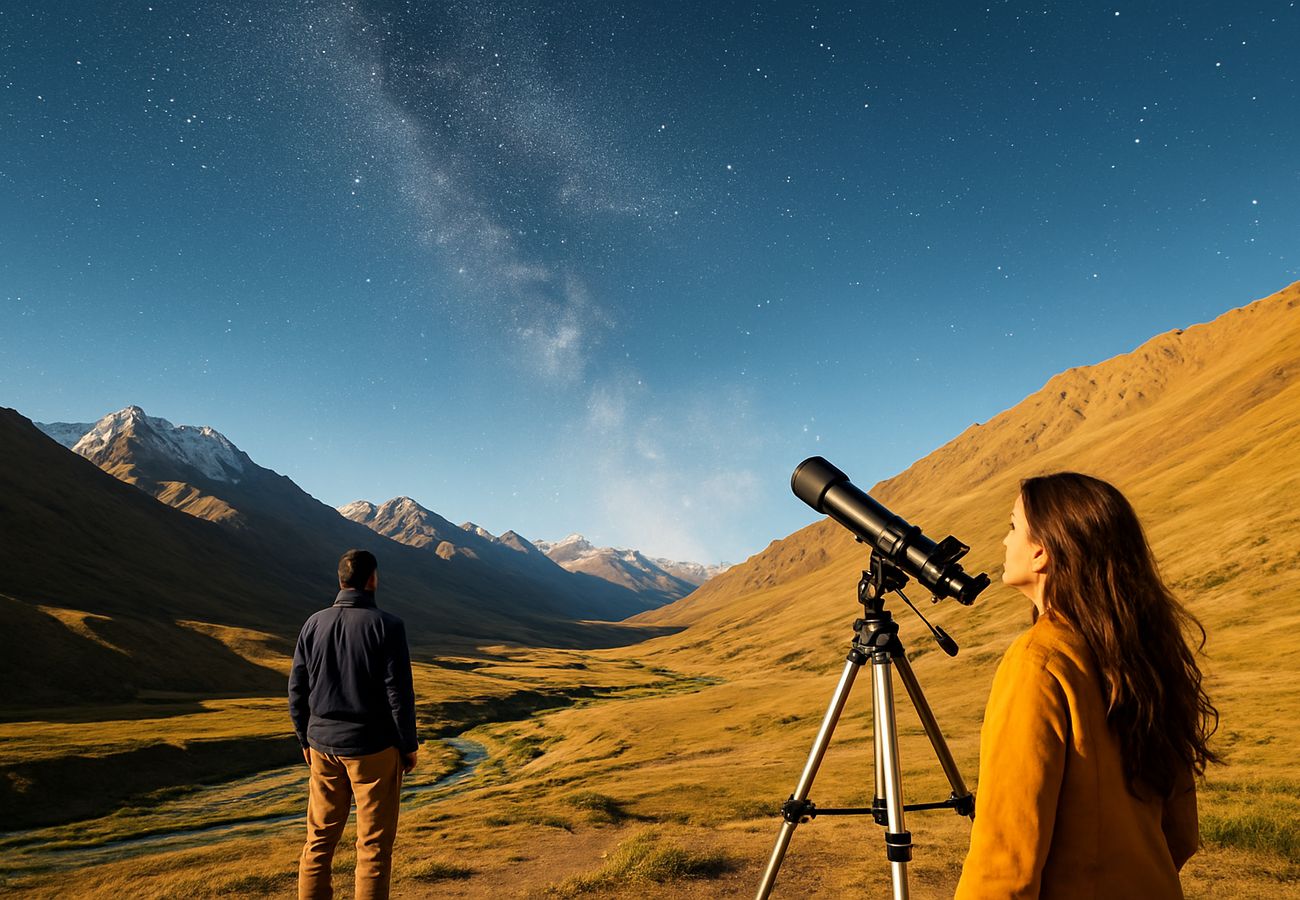
Image generated by AI
Quick Summary
- Astro-Tourism Boom: In 2026, "Dark Sky Journeys" have transitioned from a niche interest to a mainstream global travel movement.
- India's Hubs: Ladakh (Hanle), Spiti Valley, Munsiyari, Dhordo, and Coorg have emerged as the primary destinations for unpolluted celestial views.
- Astro Villages: New rural initiatives are preserving natural darkness to create sustainable economic opportunities through stargazing and wellness.
- Holistic Experience: Modern astro-tourism now integrates astrophotography, moonlight meditation, and space storytelling into traditional travel itineraries.
- Ladakh Slow Travel: A 13-day immersive journey is becoming the gold standard for travelers seeking to combine high-altitude trekking with deep-space observation.
Astro-tourism is redefining the global travel landscape in 2026, offering a powerful fusion of nature, science, and serenity that draws travelers away from light-polluted urban centers. India has positioned itself at the forefront of this movement, leveraging its vast, high-altitude landscapes to provide some of the clearest views of the Milky Way and distant constellations. Destinations like Ladakh and Spiti Valley are no longer just adventure hubs; they are now celebrated as "Dark Sky" sanctuaries where travelers find a sense of stillness and cosmic connection. This shift toward experiential and mindful travel is fostering a new era of sustainability, with the emergence of "Astro Villages" that empower local communities through specialized night-sky hospitality. As travelers prioritize authenticity and emotional connection, the industry is adapting with curated experiences like moonlight meditation and educational telescope sessions, ensuring that the journey into the night is as transformative as any daytime exploration.
India Astro-Tourism Hotspots 2026: Destinations and Highlights
The following table details the key regions driving the astro-tourism movement in India and their unique astronomical offerings.
| Destination | Altitude (Approx.) | Primary Astronomical Draw | Best For |
|---|---|---|---|
| Ladakh (Hanle) | 4,500m | Milky Way & Deep Space Nebulae | Serious Stargazers & Scientists |
| Spiti Valley | 3,800m | Uninterrupted Constellation Views | Astrophotographers |
| Dhordo (Rann) | Sea Level | Vast Horizon Stargazing | Cultural & Astro Integration |
| Munsiyari | 2,200m | Himalayan Peak Stargazing | Nature Enthusiasts |
| Coorg | 1,100m | South Indian Dark Sky Pockets | Families & Wellness Seekers |
The Rise of the "Astro Village": Rural Transformation Through Dark Sky Preservation
A groundbreaking development in 2026 is the emergence of communities dedicated to the night sky:
- Dark Sky Preservation: Villages in remote Ladakh and Spiti are actively minimizing artificial lighting to maintain their status as premium stargazing zones.
- Economic Empowerment: These initiatives allow rural regions to participate in the travel economy, creating jobs in specialized "Astro-homestays" and local guiding.
- Sustainability Model: The Astro Village model demonstrates how economic growth can be balanced with environmental conservation, offering a replicable framework for global tourism.
Beyond Stargazing: The Multi-Dimensional Astro-Tourism Experience
Astro-tourism has evolved into a holistic wellness and educational segment:
- Astrophotography: Specialized workshops help travelers capture the beauty of the cosmos using professional equipment.
- Moonlight Meditation: Integrating the serenity of the night sky into mindfulness practices to promote mental clarity and relaxation.
- Space Storytelling: Local guides and astronomers blend scientific facts with ancient folklore, deepening the traveler’s connection to the universe.
Ladakh: The Crown Jewel of Indian Astro-Tourism
Ladakh remains the epicenter of the movement due to its atmospheric clarity:
- Hanle Dark Sky Reserve: As India's first dedicated dark sky reserve, Hanle provides a world-class environment for both professional astronomers and leisure stargazers.
- High-Altitude Clarity: The region's altitude and extremely low humidity ensure that stars appear brighter and more immersive than anywhere else in the country.
- Spiritual Integration: The blend of ancient monasteries and cosmic views creates a unique "Astro-Spiritual" experience that is attracting high-end international wanderlust.
The 13-Day Ladakh "Slow Travel" Itinerary: A Comprehensive Guide
For those seeking the ultimate astro-journey, the 13-day slow travel plan has become the preferred choice for 2026.
| Days | Location | Key Activities |
|---|---|---|
| 1–2 | Leh | Rest & Acclimatization; Shanti Stupa & Leh Palace |
| 3 | Sham Valley | Magnetic Hill & Indus-Zanskar Sangam |
| 4–5 | Nubra Valley | Khardung La Pass; Hunder Sand Dunes & Camel Rides |
| 6 | Pangong Lake | Overnight Lakeside Camping; Sunset Stargazing |
| 7 | Return to Leh | Thiksey Monastery & Shey Palace |
| 8–9 | Tso Moriri | Untouched Serenity at Korzok Village |
| 10–11 | Kargil via Lamayuru | "Moonland" Landscapes & Ancient Monasteries |
| 12 | Leh Culture | Hemis Monastery & Local Handicraft Markets |
| 13 | Departure | Reflective Final Glimpse of the Himalayas |
Global Shift: How Dark Sky Travel is Reshaping the Tourism Industry
The rise of astro-tourism is influencing broader industry patterns:
- Balanced Distribution: By promoting remote areas, astro-tourism helps reduce overcrowding in traditional urban tourist hotspots.
- Investment in Infrastructure: Increased funding is flowing into rural and remote regions to develop specialized observatories and eco-friendly stays.
- Educational Focus: The growth of science-based travel experiences is attracting a diverse audience, from families to specialized photography groups.
FAQ: India Astro-Tourism 2026
Where is the best place for stargazing in India? Ladakh, particularly the Hanle Dark Sky Reserve, is considered the premier destination due to its high altitude and atmospheric clarity.
What should I pack for an astro-tourism trip? Warm clothing is essential as night temperatures in high-altitude regions can drop significantly. A tripod for your camera and red-light flashlights (to preserve night vision) are also recommended.
Is astro-tourism suitable for families? Yes. Many "Astro Villages" and resorts now offer family-oriented space storytelling and basic telescope sessions that are both educational and entertaining.
Related Travel Guides
Disclaimer
This article is for informational and educational purposes only. It does not constitute legal, financial, or professional advice. While we strive to provide accurate and up-to-date information, travel policies, regulations, and conditions change rapidly. Always verify information with official sources before making travel decisions. Nomad Lawyer makes no representations about the accuracy, reliability, completeness, or suitability of the information provided. Readers should consult qualified professionals for advice specific to their circumstances. The views expressed in this article are those of the author and do not necessarily reflect the views of Nomad Lawyer.
Kunal K Choudhary
Co-Founder & Contributor
A passionate traveller and tech enthusiast. Kunal contributes to the vision and growth of Nomad Lawyer, bringing fresh perspectives and driving the community forward.
Learn more about our team →