
Uzbekistan Grants 1-Month Visa-Free Entry to Indian Tourists with Direct Flights

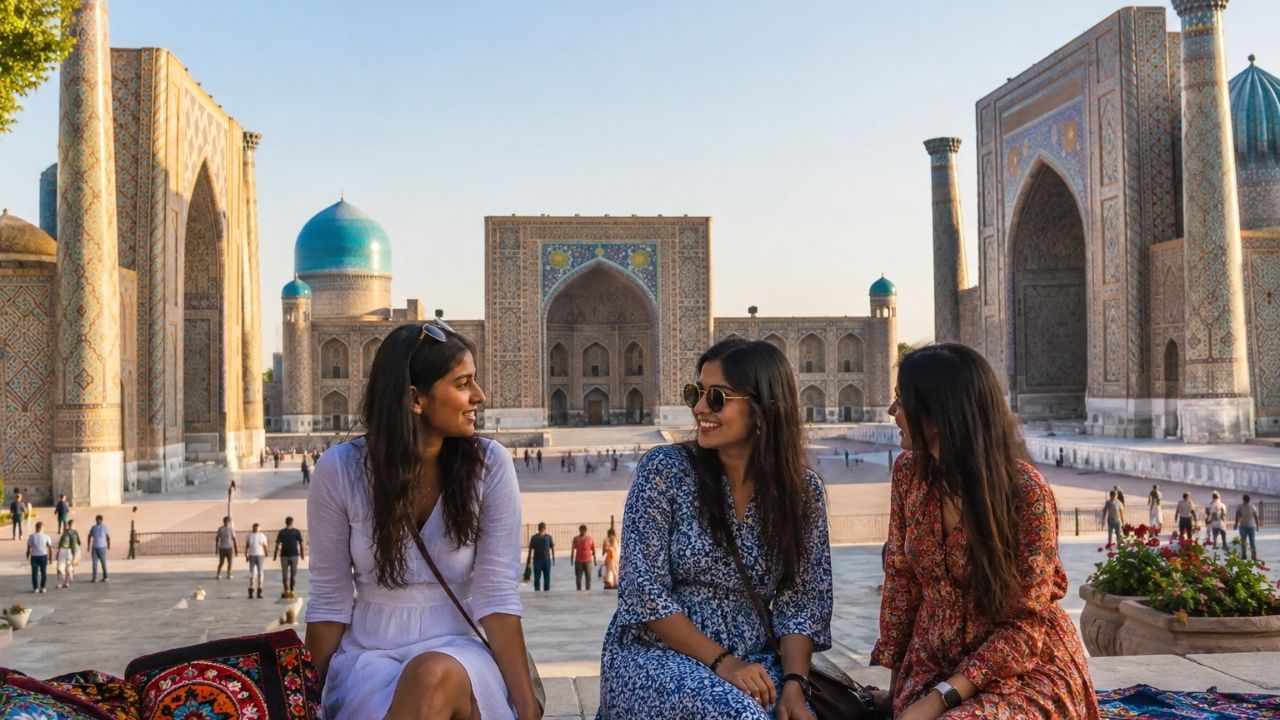
Image generated by AI
Uzbekistan has implemented a one-month visa-free entry policy for Indian citizens alongside expanded direct flight connections, positioning Central Asia's historic Silk Road corridor as a primary destination for outbound travel from India.
[TASHKENT, Uzbekistan, Aug. 31, 2026] — In a major policy shift aimed at accelerating regional tourism growth, Uzbekistan has officially launched one-month visa-free access for Indian tourists. Combined with expanding direct aviation routes connecting Indian metro hubs to Tashkent, the visa waiver eliminates administrative barriers for families, cultural explorers, honeymooners, and business travelers seeking short-haul international getaways.
The bilateral initiative reflects Uzbekistan’s broader economic strategy to tap into high-growth outbound tourism markets across Asia. By pairing streamlined border entry with modernized hospitality infrastructure and aggressive destination marketing, the Central Asian nation is transforming its ancient trade routes into accessible, high-value tourism corridors.
Direct Aviation Links Streamline Outbound Travel Between India and Tashkent
A cornerstone of Uzbekistan's tourism expansion is the rapid improvement of direct air connectivity with India. Nonstop flights between major Indian airports and Tashkent International Airport have reduced transit times to under four hours, allowing tour operators to launch flexible, short-duration vacation packages.
Improved flight schedules enable seamless travel connections to Uzbekistan’s premier Silk Road destinations. Travelers can easily construct multi-city itineraries that pair urban sightseeing in Tashkent with high-speed rail connections to Samarkand, Bukhara, and Khiva.
The combination of visa-free entry and direct flights eliminates traditional visa processing fees and wait times. Consequently, travel agencies report a surge in group bookings, MICE (Meetings, Incentives, Conferences, and Exhibitions) events, and independent leisure travel between the two nations.
Samarkand Anchors Global Heritage Appeal with Iconic Registan Architecture
Samarkand remains the central attraction of Uzbekistan’s international tourism identity. Recognized as one of the greatest commercial and intellectual hubs of the ancient Silk Road, the city draws visitors with its extraordinary Islamic architecture and centuries of preserved history.
At the center of Samarkand's architectural landscape stands Registan Square, framed by three massive blue-tiled madrasas that highlight medieval Central Asian tile work and engineering. Visitors to the city also explore key historic monuments:
- Gur-e-Amir Mausoleum: The final resting place of Asian conqueror Timur (Tamerlane), featuring intricate gold leaf interiors and tiled domes.
- Shah-i-Zinda Complex: A terraced avenue of mausoleums renowned for vibrant blue mosaic artwork spanning the 11th to 15th centuries.
- Bibi-Khanym Mosque: One of the Islamic world's largest historical mosques, built during Timur's reign following his Indian campaigns.
For Indian travelers, Samarkand offers a historical connection to centuries of trans-continental trade, scholarship, and cultural exchange that linked Northern India with Central Asia.
Comprehensive Data Breakdown: Silk Road Hubs and Tourism Policy Features
The table below outlines the primary destination hubs, key attractions, and transport accessibility across Uzbekistan:
| Destination City | Primary Historical Identity | Signature Architectural & Cultural Sites | Transit & Accessibility |
|---|---|---|---|
| Tashkent | Modern capital gateway | Tashkent Metro, Chorsu Bazaar, State Museums | Direct flight hub, high-speed rail origin |
| Samarkand | Heart of ancient Silk Road | Registan Square, Gur-e-Amir, Shah-i-Zinda | High-speed Afrosiyob train (2h from Tashkent) |
| Bukhara | Islamic scholarship sanctuary | Ark Fortress, Poi Kalyan, historic trading domes | High-speed rail access, regional airport |
| Khiva | Medieval open-air museum | Itchan Kala walled city, Kalta Minor Minaret | Regional train connection via Urgench |
The table below details the policy elements, visa rules, and aviation features of the India-Uzbekistan travel corridor:
| Policy / Service Component | Operational Framework | Target Traveler Advantage | Strategic Economic Purpose |
|---|---|---|---|
| Visa-Free Entry Access | 30-day visa exemption for Indian passport holders | Eliminates visa fees & approval wait times | Boosts spontaneous & short-break leisure trips |
| Direct Aviation Routes | Nonstop flights connecting Indian hubs to Tashkent | Sub-4-hour flight duration, flexible timings | Expands tour package volume & group travel |
| Afrosiyob High-Speed Rail | Bullet train network connecting major Silk Road cities | Fast, comfortable transit between city centers | Distributes tourist spending across regions |
| Diversified Tourism Offerings | Eco-tourism, wellness, mountain trekking & gastronomy | Appeals to adventure, rural, & luxury segments | Encourages longer visitor stays & higher spend |
Tashkent Functions as the Modern Urban Gateway for International Visitors
As the capital city, Tashkent serves as the primary arrival point for international flights while blending modern urban infrastructure with traditional Central Asian culture. The city features wide avenues, shaded parks, expansive fountains, and museum complexes dedicated to the history of the Timurid dynasty.
A highlight for urban explorers is the Tashkent Metro, famous for its ornate underground stations constructed with carved alabaster, marble columns, and ceramic relief murals. Furthermore, traditional commercial markets such as Chorsu Bazaar offer visitors a sensory introduction to local trade, spices, textiles, and everyday Uzbek life.
Tashkent's expanding portfolio of international hotel chains, fine-dining establishments, and modern medical centers reinforces its position as a comfortable, reliable starting hub for multi-day regional travel.
Bukhara and Khiva Preserve Medieval Architecture and Open-Air Heritage
Beyond Samarkand and Tashkent, the historic cities of Bukhara and Khiva complete Uzbekistan’s core Silk Road circuit.
Bukhara contains over two thousand years of urban history, characterized by intact medieval trading domes, mud-brick residential quarters, and historic madrasas. Key historical landmarks include the massive 5th-century Ark Fortress—a city within a city that once housed Bukhara's rulers—and the Poi Kalyan complex, dominated by the iconic 47-meter-tall Kalyan Minaret.
Further west in the Khwarazm region, the ancient city of Khiva offers one of the most complete medieval urban environments in Central Asia. Its inner fortified district, Itchan Kala, is preserved as a UNESCO World Heritage site, protected by massive mud-brick defensive walls. Travelers walking through Itchan Kala encounter turquoise-tiled minarets, ancient palaces, carved wooden pillars, and traditional craft workshops operating inside historic buildings.
Culinary Tourism Introduces Aromatic Gastronomy to Indian Travelers
Gastronomy has become a key element of Uzbekistan’s overall travel appeal. Uzbek cuisine combines rich flavors, slow-cooking techniques, and locally grown ingredients that reflect the agricultural history of Central Asia's river valleys.
The national dish of Uzbekistan is Plov, a slow-cooked rice specialty prepared in large cast-iron cauldrons (kazans) using tender lamb or beef, yellow carrots, onions, raisins, and aromatic spices such as cumin and coriander. Because rice-based dishes and fragrant spices are central to Indian culinary traditions, Plov provides a familiar yet distinct dining experience for visiting tourists.
Additional regional culinary highlights include:
- Samsa: Flaky pastry pockets stuffed with minced meat, onions, and spices, baked in traditional clay tandoor ovens.
- Shashlik: Tender skewered meats grilled over open charcoal braziers.
- Non: Traditional round flatbreads stamped with decorative geometric patterns and baked against tandoor walls.
Expansion into Eco-Tourism, Mountain Wellness, and Rural Travel
While historical monuments remain Uzbekistan's primary draw, government tourism agencies are actively expanding niche travel categories to diversify regional income. New investments target mountain adventure sports, eco-tourism, rural homestays, and wellness retreats across the Western Tien Shan and Nuratau mountains.
Travelers can participate in trekking, horseback riding, stargazing in desert yurt camps near Lake Aydarkul, and wildlife monitoring across protected nature reserves. Furthermore, infrastructure projects are upgrading regional highway connections, expanding electric vehicle charging stations, and renovating boutique hotels to ensure comfortable travel outside urban centers.
This comprehensive approach encourages international visitors to extend their stay durations, ensuring that tourism revenue spreads into rural communities and supports small business development across Central Asia.
Why This Matters: Practical Guidance for Outbound Travelers
For Indian tourists and travel organizers planning trips under the new visa-free policy, this development provides actionable advantages:
- Simplified Travel Logistics: Removing visa application procedures allows travelers to book spontaneous holiday trips without submitting passport documentation weeks in advance.
- Budget Optimization: The absence of visa fees, combined with favorable currency exchange rates and affordable local dining, makes Uzbekistan a cost-effective alternative to European heritage destinations.
- Seamless High-Speed Transit: Utilizing the Afrosiyob high-speed train network allows visitors to travel between Tashkent, Samarkand, and Bukhara rapidly without wasting days on long road journeys.
- Cultural and Dietary Comfort: Wide availability of rice-based dishes, fresh baked breads, vegetarian options, and Halal-certified dining ensures high culinary comfort for diverse traveler profiles.
Frequently Asked Questions
What are the entry requirements for Indian tourists visiting Uzbekistan under the visa-free policy?
Indian passport holders can enter Uzbekistan without a visa for stays up to 30 days. Travelers must present a valid passport with at least six months of remaining validity and proof of return flight tickets.
Which cities are connected by Uzbekistan's high-speed rail network?
The Afrosiyob high-speed train connects Tashkent directly with Samarkand, Bukhara, and Navoi, offering quiet, air-conditioned travel at speeds up to 250 km/h.
What is the best season to visit Uzbekistan for Silk Road sightseeing?
Spring (April to May) and autumn (September to November) offer optimal weather conditions, featuring pleasant temperatures and clear skies across the desert and mountain regions.
Are direct flights available between India and Uzbekistan?
Yes, direct flights operate regularly between major Indian hubs (such as Delhi) and Tashkent International Airport, with average flight times under four hours.
Related Travel Guides
Disclaimer
This article is for informational and educational purposes only. It does not constitute legal, financial, or professional advice. While we strive to provide accurate and up-to-date information, travel policies, regulations, and conditions change rapidly. Always verify information with official sources before making travel decisions. Nomad Lawyer makes no representations about the accuracy, reliability, completeness, or suitability of the information provided. Readers should consult qualified professionals for advice specific to their circumstances. The views expressed in this article are those of the author and do not necessarily reflect the views of Nomad Lawyer.
Raushan Kumar
Founder & Lead Developer
Full-stack developer with 11+ years of experience and a passionate traveller. Raushan built Nomad Lawyer from the ground up with a vision to create the best travel and law experience on the web.
Learn more about our team →