
Tajikistan Elevates Central Asia Tourism Ambitions: International Forum Spotlights Pamir Mountains, Mehrgon Festival, and Silk Road Heritage
Tajikistan accelerates its Central Asian tourism growth following the International Forum on Sustainable Tourism, showcasing the UNESCO-listed Pamir Mountains, the ancient Mehrgon harvest festival, and cross-border Silk Road heritage.

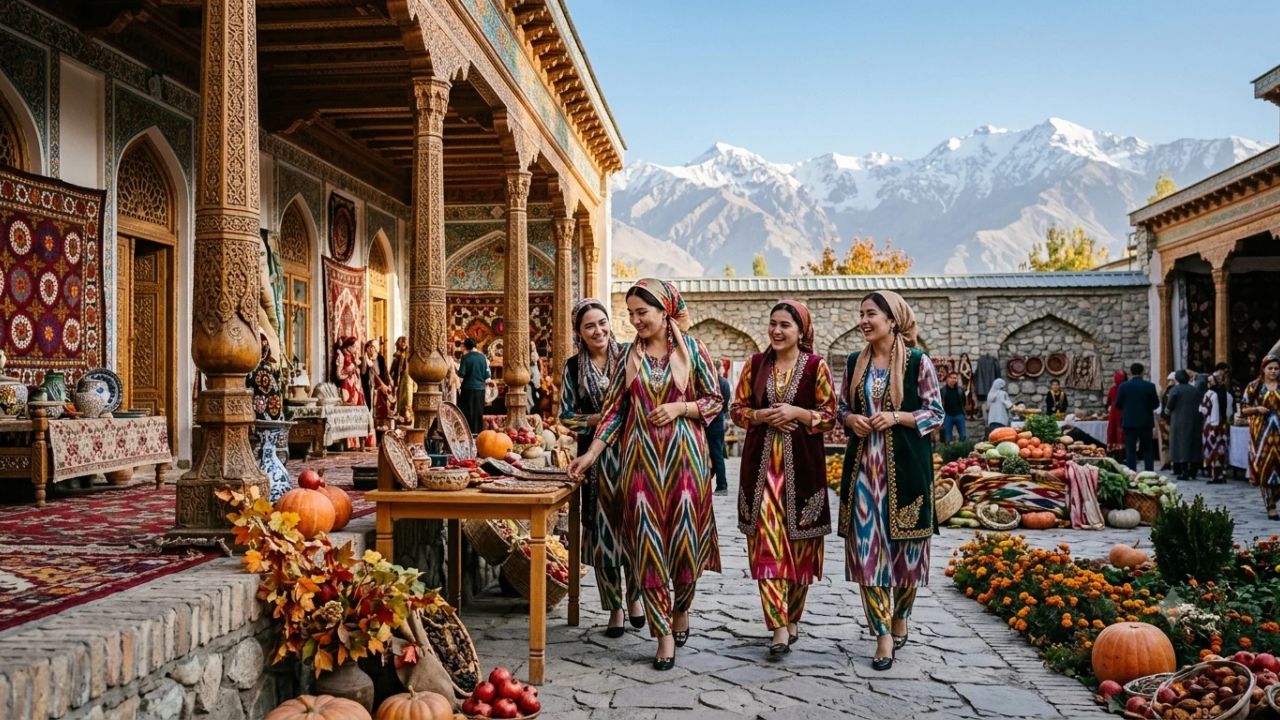
Tajikistan is rapidly establishing itself as a premier destination for adventurous, culturally curious travellers, as a landmark gathering of international researchers, conservationists, and tourism authorities spotlighted the nation's high-altitude Pamir wilderness, Silk Road trading heritage, and ancient living traditions.
Hosted by the International University of Tourism and Entrepreneurship of Tajikistan from 13 to 18 October 2026, the International Forum on Sustainable Tourism and Cultural Heritage convened delegations from more than 20 countries. With academic and practical contributions linked to Kyrgyzstan, Germany, and Russia, alongside deep cultural ties with Iran, the initiative highlighted Tajikistan’s strategic drive to diversify its economy beyond mining and agriculture into community-based eco-tourism and wellness hospitality.
Timed to coincide with the ancient Persian autumn harvest festival of Mehrgon—jointly inscribed on UNESCO's Intangible Cultural Heritage list by Tajikistan and Iran—the forum demonstrated how sustainable travel can generate rural livelihoods while safeguarding the Roof of the World.
       CENTRAL ASIAN SUSTAINABLE TOURISM NETWORK (2026)
       =================================================

             [ INTERNATIONAL DELEGATIONS: 20+ NATIONS ]
             • Germany (Leibniz Univ): Climate & Agri-Tourism
             • Russia (Novosibirsk State): Wellness & Spas
             • Kyrgyzstan (Osh Tech): Ethnotourism & Trails
             • Iran: Shared UNESCO Mehrgon Harvest Heritage
                                   │
                                   ▼
        ┌────────────────────────────────────────────────────────┐
        │             DUSHANBE: NATIONAL TOURISM HUB             │
        │ • International University of Tourism & Entrepreneurship│
        │ • National Museum of Tajikistan & Rudaki Park Avenue   │
        └──────────────────────────┬─────────────────────────────┘
                                   │
      ┌──────────────┬─────────────┴─────────────┬──────────────┐
      │              │                           │              │
      ▼              ▼                           ▼              ▼
 [ GISSAR VALLEY ] [ KHATLON REGION ]     [ NORTH: SUGHD ] [ BADAKHSHAN ]
 Hisor Fortress    Nurek Dam & Reservoir  Khujand Citadel  Darvoz District
 Tursunzoda Farms  Danghara Crafts        Ancient Sogdiana Pamir Highway (M41)
 (Gastronomic Hub) (Rural Folklore)       (Silk Road Trade) Tajik Nat'l Park
Landmark October Forum Accelerates Tajikistan's Tourism Strategy
The six-day international forum represented an important milestone in Tajikistan's national development strategy, moving beyond conceptual discussions into field expeditions across seven distinct regions. Organized by the International University of Tourism and Entrepreneurship in Dushanbe, the event addressed four primary themes: investment in sustainable infrastructure, workforce capacity building, cultural preservation, and regional cross-border collaboration.
Rather than concentrating solely on luxury resort development, forum panels prioritized community-based tourism (CBT) models. In Tajikistan’s remote mountain valleys, local homestays provide vital income for rural families, allowing travellers to experience traditional hospitality while funding trail maintenance and biodiversity conservation.
The timing of the gathering coincided with Mehrgon (also known as Mehregan), the pre-Islamic Persian autumn equinox celebration of harvest, friendship, and abundance. Inscribed on the UNESCO Representative List of the Intangible Cultural Heritage of Humanity in 2024 under a joint nomination by Tajikistan and Iran, Mehrgon filled public squares in Dushanbe with displays of golden autumn produce, ceremonial flatbreads, honey, folk music, and traditional handicrafts.
Regional and International Partnerships Anchor Central Asian Growth
Tajikistan’s emerging tourism model is strengthened by strategic partnerships with neighbouring Central Asian states and international academic institutions:
Kyrgyzstan: Ethnotourism and Trans-Alay Mountain Corridors
Kyrgyzstan’s delegation, led by scholars from Osh Technological University, contributed extensive field research on ethnotourism and community-managed yurt networks. The discussions examined how neighbouring mountain nations can synchronize trail standards and guide certifications.
Both countries share dramatic topography defined by the Tien Shan and Pamir-Alay ranges. Strengthened cooperation between educational institutions provides the foundation for integrated Central Asian trekking circuits, allowing international hikers to traverse the dramatic border passes connecting Kyrgyzstan's Alay Valley with Tajikistan's northern valleys.
Germany: Climate-Resilient Agriculture and Eco-Tourism
Academic cooperation involving Leibniz University Hannover focused on the intersection of climate resilience, water management, and rural destination development. Because Tajikistan's glaciers feed more than 60 percent of Central Asia's river systems, environmental conservation directly impacts the viability of mountain hiking, river rafting, and rural farm stays.
The German contributions provided scientific modeling to assist local park rangers in mitigating natural hazards along high-altitude trekking routes.
Russia: Health, Thermal Springs, and Medical Wellness
Research partners from Novosibirsk State University of Economics and Management examined the commercial expansion of balneology and medical wellness tourism. Tajikistan possesses hundreds of mineral-rich thermal springs across the Pamir and Hissar ranges.
Delegates conducted on-site field visits to Shohambari Resort, located 25 kilometres west of Dushanbe, assessing how Soviet-era sanatorium infrastructure can be modernized with eco-friendly spa facilities catering to wellness travellers from across the Commonwealth of Independent States and Europe.
| Partner Nation | Institutional Stakeholders | Core Strategic Contribution | Key Tourism Segment |
|---|---|---|---|
| Tajikistan | International University of Tourism | Host nation, policy roadmap, destination staging | Community-based mountain tourism & cultural preservation |
| Kyrgyzstan | Osh Technological University | Cross-border trekking protocols, ethnographic research | Ethnotourism, yurt stays, nomadic heritage |
| Germany | Leibniz University Hannover | Glacial research, climate-resilient farming, eco-trails | Sustainable nature travel & environmental conservation |
| Russia | Novosibirsk State Univ. of Economics | Balneological studies, thermal spring modernization | Medical wellness, sanatoriums, mineral therapies |
| Iran | Cultural & Heritage Entities | Shared UNESCO Mehrgon festival traditions | Intangible living heritage, Persian literary tourism |
Seven Regional Destinations Showcasing Tajikistan's Diverse Appeal
The October forum extended beyond conference halls in Dushanbe, guiding international delegates on field expeditions across seven distinct geographic regions:
| Destination & Region | Forum Strategic Focus | Signature Landscape & Cultural Attractions |
|---|---|---|
| Dushanbe (Capital) | International conventions, academic forums | National Museum of Tajikistan, Rudaki Park, Kokhi Navruz Palace |
| Hisor (Gissar) | Heritage protection, archaeological tourism | Hisor Fortress (2,500-year history), 16th-century madrasas, caravan routes |
| Tursunzoda | Sustainable agriculture & wine routes | Extensive table grape vineyards, fruit orchards, agro-tourism farms |
| Darvoz (Badakhshan) | Mountain adventure expedition, eco-lodges | Gateway to the Pamir Highway, Panj River gorge, traditional Pamiri houses |
| Nurek (Khatlon) | Hydro-electric engineering & water leisure | Nurek Dam (300m rock-fill), turquoise reservoir boat excursions |
| Danghara (Khatlon) | Regional folklore & culinary traditions | Khatlon agricultural heartland, artisanal textile and embroidery workshops |
| Khujand (Sughd) | Ancient Silk Road trade & fortress archaeology | Khujand Citadel on the Syr Darya River, Panjshanbe Bazaar, Sogdian artifacts |
1. Dushanbe: A Modern Capital Rooted in Persian Elegance
Dushanbe, meaning "Monday" in Tajik—reflecting its origins as a small village hosting a popular Monday market—serves as the primary international air gateway. The city features wide, tree-lined boulevards, neoclassical facades, and monumental civic spaces.
Highlights include the National Museum of Tajikistan, which houses an impressive 13-metre reclining clay Buddha from the 7th-century monastery of Ajina-Tepa, and Kokhi Navruz, an enormous cultural palace adorned with hand-carved wood, cedar ceilings, and intricate lapis lazuli mosaics.
2. Hisor: The Ancient Fortress of the Gissar Valley
Located just 30 kilometres west of Dushanbe, the Hisor Fortress stands as a magnificent testament to ancient Central Asian military architecture. Guarding the fertile Gissar Valley for over two millennia, the reconstructed mud-brick fortress gates face a 16th-century madrasa, a caravanserai foundation, and a mausoleum.
During the forum, Hisor hosted gastronomic demonstrations pairing historical sightseeing with regional culinary heritage.
3. Tursunzoda: Vineyards and Agri-Tourism Experiences
Bordering Uzbekistan, Tursunzoda is celebrated as the fruit basket of western Tajikistan. The region's sprawling, family-owned vineyards produce dozens of varieties of table and raisin grapes.
Agro-tourism initiatives highlighted during the forum allow visitors to participate in seasonal grape harvests, sample sun-dried fruits and walnuts, and observe traditional clay oven baking.
4. Darvoz District: The Gateway to the Pamir Mountains
Darvoz District serves as the geographic entrance to the Gorno-Badakhshan Autonomous Region (GBAO). Here, the famous Pamir Highway (M41) clings to sheer granite cliffs carved by the raging Panj River, with views directly into rural riverside hamlets on the Afghan shore just meters away.
Darvoz features sustainable community lodges that blend traditional Pamiri stone-and-timber architecture with solar heating, offering a model for low-impact adventure accommodation.
5. Nurek: Turquoise Waters and Engineering Marvels
Dominated by the 300-metre-high Nurek Dam—one of the tallest embankments in the world—Nurek provides scenic water recreation in the Khatlon Province.
Delegates explored the turquoise waters of the 70-kilometre-long Nurek Reservoir by boat, assessing plans to develop eco-friendly floating cabins and lakeside walking trails amidst arid mountain canyons.
6. Danghara: Khatlon Folklore and Traditional Craftsmanship
In Danghara, the forum showcased the living folk traditions of southern Tajikistan. Local craft cooperatives demonstrated the intricate art of Chakan embroidery—a vibrant, symbolic needlework recognized on UNESCO’s Intangible Cultural Heritage list—alongside traditional wool spinning, felt carpet making, and wood carving.
7. Khujand: The Northern Silk Road Citadel
In northern Tajikistan's Sughd Province, Khujand is one of Central Asia's oldest cities, established over 2,500 years ago along the Syr Darya River. Once captured by Alexander the Great, Khujand was a vital trading hub along the northern branch of the Silk Road.
The forum's exhibition on "Ancient Sughd" showcased Sogdian frescoes, pottery, and Silk Road trade coins, centered around the restored 10th-century Khujand Citadel and the historic Panjshanbe Bazaar, an immense covered market filled with spices, dried fruits, and fresh flatbreads.
The Crown Jewel: Adventure Tourism Across the Pamir Mountains
Tajikistan's single most compelling asset for international adventure travellers is the Pamir Mountain range, known as the Bam-i-Dunya (Roof of the World). Covering nearly half of Tajikistan's territory, this rugged landscape includes peaks exceeding 7,000 metres, such as Ismoil Somoni Peak (7,495m) and Ibn Sina Peak (7,134m).
Key highlights for mountain exploration include:
- Tajik National Park (Mountains of the Pamirs): Inscribed as a UNESCO World Heritage site in 2013, the park protects 2.5 million hectares of pristine wilderness, home to snow leopards, Marco Polo sheep (argali), Siberian ibex, and the 77-kilometre-long Fedchenko Glacier, the longest glacier outside the polar regions.
- The Pamir Highway (M41): The second-highest international paved highway in the world traverses the Ak-Baital Pass at an altitude of 4,655 metres, offering one of the world's ultimate overland road trip routes.
- The Wakhan Corridor: Following the Panj River, this dramatic border valley features ancient Silk Road fortresses (such as Yamchun and Khaakha), natural hot springs at Bibi Fatima, and ancient petroglyph fields.
Gastronomic Traditions: Flavours That Define Tajik Hospitality
Hospitality in Tajikistan is deeply tied to the culinary table (dastarkhan), where guests are warmly welcomed with tea, bread, and seasonal fruits:
- Qurutob: The national dish of Tajikistan, made with layers of torn, flaky flatbread (fatir) soaked in a warm, tangy broth prepared from dried salted yogurt balls (qurut). It is topped with sweet caramelized onions, fresh coriander, dill, cucumber, and chili, then served in a large circular wooden bowl (tabaq).
- Tajik Osh (Plov): The ceremonial centerpiece of every celebration. Long-grain rice is simmered in a large cast-iron cauldron (qazan) with tender mutton or beef, sweet yellow carrots, chickpeas, whole heads of garlic, and fragrant cumin, garnished with hard-boiled quail eggs and pomegranate seeds.
- Sambusa: Crisp, multi-layered triangular pastries stuffed with spiced minced meat, onions, and tail fat (dumba), baked against the burning inner walls of a clay tandoor oven.
- Shurbo: A hearty, restorative clear broth made with slow-cooked mutton on the bone, large potato chunks, carrots, chickpeas, and fresh herbs.
Practical Travel Information for Visiting Tajikistan
- Entry Formalities & E-Visa: Citizens of over 50 countries can enter Tajikistan visa-free for up to 30 days. Most other nationalities can secure an electronic visa (e-visa) through the official government portal for a 60-day stay. If planning to travel the Pamir Highway, ensure you check the box for the GBAO Special Permit during the e-visa application.
- Optimal Travel Seasons: Spring (April to June) brings mild temperatures, blooming wild tulips in the valleys, and rushing mountain rivers. Autumn (September to October) is ideal for cultural exploration, harvest celebrations, and comfortable overland travel. Summer (July to August) is the only practical window for high-elevation trekking and crossing mountain passes in the Pamirs.
- Currency & Payments: The national currency is the Tajik Somoni (TJS). Credit cards are accepted at major hotels and upscale restaurants in Dushanbe and Khujand, but cash is mandatory for all travel across the Pamirs, homestays, and bazaars. ATMs dispensing US Dollars and Somoni are available in major cities.
- Health and High-Altitude Preparation: Travellers driving the Pamir Highway rapidly gain elevation above 3,500 metres. Allow several rest days in Darvoz or Khorog to acclimatize, stay well-hydrated, and carry altitude sickness medication (such as acetazolamide).
Frequently Asked Questions
What was the focus of the October 2026 Tajikistan tourism forum?
The International Forum on Sustainable Tourism and Cultural Heritage focused on eco-tourism development, climate resilience, community homestays, medical wellness, and Silk Road heritage preservation.
What is the Mehrgon festival celebrated in Tajikistan?
Mehrgon is an ancient harvest celebration recognizing community abundance, agriculture, and music. In 2024, UNESCO recognized Mehrgon on its Intangible Cultural Heritage list as a shared tradition of Tajikistan and Iran.
Do travellers need a special permit to visit the Pamir Mountains?
Yes. Travelling through the Gorno-Badakhshan Autonomous Region (GBAO) requires a GBAO permit, which international visitors can easily request online when applying for their standard Tajik e-visa.
What is the national dish of Tajikistan?
Qurutob is Tajikistan's national dish, prepared with flaky flatbread pieces soaked in a warm salted yogurt broth, topped with caramelized onions, fresh herbs, and served in a traditional carved wooden bowl.
Related Travel Guides
- Salamanca Showcases Spain’s Golden Heritage: Complete Cultural Tourism and Historic Travel Guide
- UK Airports Accelerate Border Processing as Contactless Facial Recognition E-Gates Expand to 13 Major Gateways
- Port of Santos Schedules 164 Cruise Calls and 785,000 Travellers Across 10 Ships for Brazil’s 2026–2027 Summer Sailing Season
Disclaimer
This article is for informational and educational purposes only. It does not constitute legal, financial, or professional advice. While we strive to provide accurate and up-to-date information, travel policies, regulations, and conditions change rapidly. Always verify information with official sources before making travel decisions. Nomad Lawyer makes no representations about the accuracy, reliability, completeness, or suitability of the information provided. Readers should consult qualified professionals for advice specific to their circumstances. The views expressed in this article are those of the author and do not necessarily reflect the views of Nomad Lawyer.
Kunal K Choudhary
Co-Founder & Contributor
A passionate traveller and tech enthusiast. Kunal contributes to the vision and growth of Nomad Lawyer, bringing fresh perspectives and driving the community forward.
Learn more about our team →