
USA Travel Shift: Houston Birth Tourism Case Raises Questions for International Visitors
USA Travel Shift: Houston Birth Tourism Case Raises Questions for International Visitors

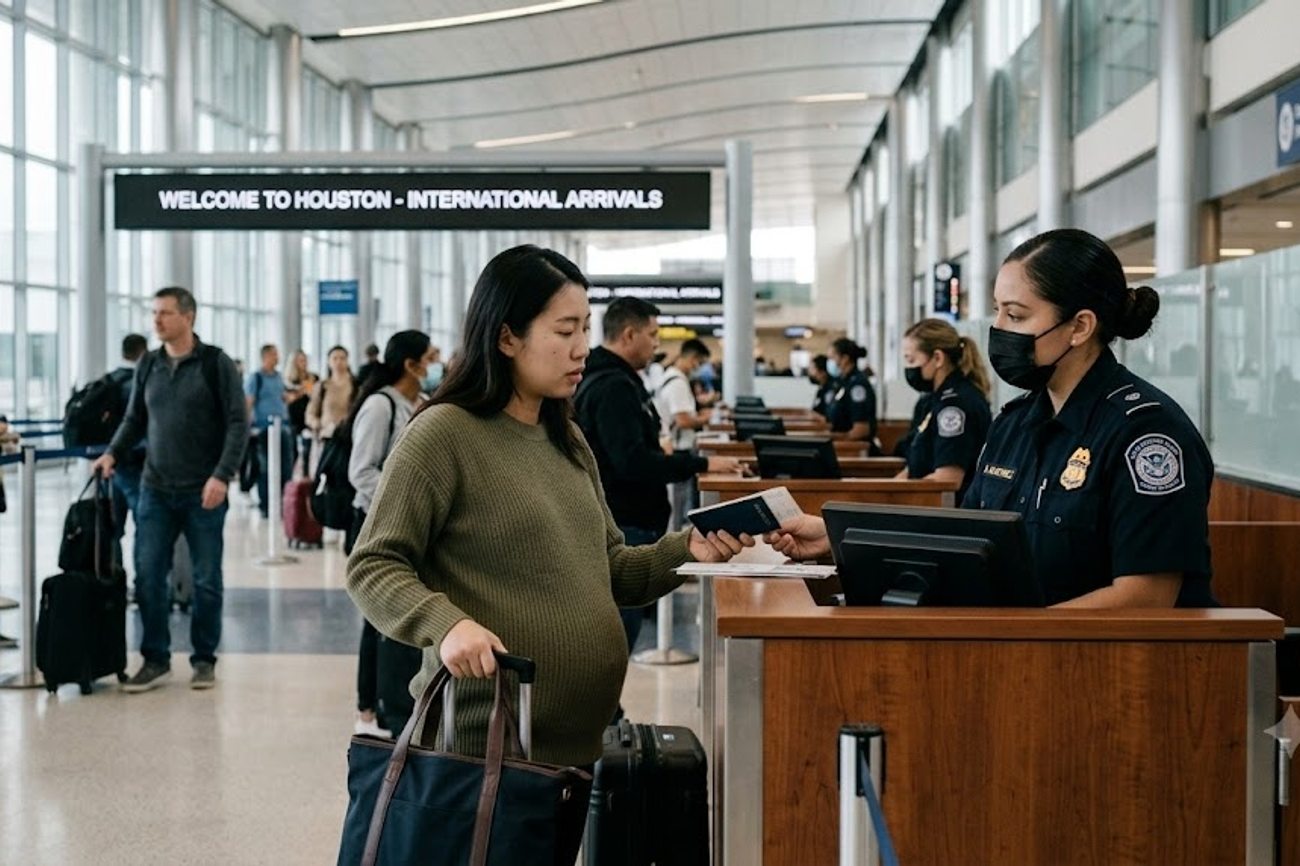
Image generated by AI
[Houston, 2026] — The De’Ai Postpartum Care Center has agreed to cease all operations following a lawsuit filed by the Texas Attorney General alleging the facility functioned as a hub for unlawful birth tourism.
The legal action, brought by Attorney General Ken Paxton, claims the Houston-area organization systematically facilitated the travel of foreign nationals into Texas for the express purpose of childbirth. The settlement, finalized via a proposed judgment and permanent injunction in Fort Bend County District Court, marks a significant escalation in the state's crackdown on organizations that allegedly circumvent immigration laws by marketing childbirth services to non-citizens.
The Legal Trigger for Closure
The shutdown follows a 2026 lawsuit alleging that De’Ai Postpartum Care Center operated a sophisticated scheme designed to help foreign nationals secure U.S. citizenship for their children. According to the Texas Attorney General’s Office, the center specifically targeted Chinese clients, marketing a suite of services that went beyond medical care to include strategic guidance on immigration procedures.
State investigators allege the organization claimed responsibility for the births of more than 1,000 U.S.-born babies. The core of the legal dispute centers on the allegation that the center provided instructions to clients on how to navigate visa applications in a manner that misrepresented their true intent for entering the United States. While the operators initially denied these claims in court filings, they have now agreed to the permanent injunction and the dissolution of their operations.
Entities and Markets Impacted
The fallout from this case extends beyond a single clinic, signaling a shift in how the U.S. Department of State and state-level authorities monitor medical travel.
- De’Ai Postpartum Care Center: Immediate total closure of facilities and cessation of all business activities.
- Chinese Nationals: The primary demographic targeted by the center's marketing efforts; these individuals may face increased scrutiny regarding previous visa applications.
- South Texas Healthcare Providers: Two hospitals in South Texas are currently under investigation by the Attorney General after promoting childbirth services near the U.S.-Mexico border.
- International Medical Travelers: All non-citizens utilizing Texas healthcare facilities for planned procedures now face a heightened regulatory environment.
- Texas State Agencies: Health and professional licensing boards are now mandated, via executive order from Governor Greg Abbott, to audit providers suspected of facilitating birth tourism.
Practical Traveler Advisory and Strategic Insights
For the average traveler, this legal action does not ban medical tourism, but it drastically raises the stakes for visa transparency. If you are traveling to the U.S. for medical reasons, the "passenger impact" is immediate:
1. Visa Intent Scrutiny U.S. Customs and Border Protection (CBP) and consular officers are increasingly focused on whether a visitor's stated purpose of travel matches their actual activities. If a traveler enters on a B-1/B-2 visa for "tourism" but is found to be utilizing a coordinated birth tourism package, they risk being flagged for visa fraud or misrepresentation.
2. Vetting of "Facilitators" Travelers should be extremely wary of third-party agencies or "care centers" that promise guaranteed entry into the U.S. or provide "scripts" for immigration interviews. The De’Ai case proves that the Texas government is targeting the facilitators, and those who follow their advice may find themselves ineligible for future visas.
3. Documentation Requirements Legitimate medical travelers—those seeking specialized surgery, oncology treatment, or wellness consultations—should carry comprehensive documentation. This includes a letter from a licensed U.S. medical provider, proof of payment for services, and evidence of financial means to cover the stay without unauthorized employment.
International visitors entering the U.S. must adhere to strict visa regulations to avoid allegations of fraud or misrepresentation. Travelers are encouraged to review the official entry requirements provided by the U.S. Department of State to ensure their travel purpose aligns with their visa category.
The Future of Texas Medical Tourism
Despite this crackdown, Houston remains a global epicenter for healthcare. The city continues to attract thousands of international patients annually due to its world-class research facilities and specialist doctors. However, the era of "grey-market" medical travel is ending.
Governor Greg Abbott’s executive order has shifted the burden of proof onto the healthcare provider. Hospitals and clinics must now ensure their international marketing does not cross the line into immigration solicitation. This is expected to lead to more rigorous intake processes for international patients, where providers may require more detailed documentation of the patient's legal status and intent before scheduling procedures.
For those visiting Houston for non-medical reasons—such as visiting Space Center Houston or the city's various museums—this case has no direct impact. The state's focus remains strictly on the intersection of healthcare marketing and immigration compliance.
FAQ: Texas Medical Travel 2026
Is birth tourism illegal in the United States? While giving birth in the U.S. is not a crime, lying to immigration officials about the purpose of your visit to obtain a visa is. The legal action in Houston targeted the facilitation of these misrepresentations and the organized schemes behind them.
Can I still travel to Houston for specialized medical treatment? Yes. Legitimate medical tourism for specialized care, surgery, and consultations remains legal and encouraged. Ensure your visa category matches your intent and that you have official documentation from your treating physician.
What happens if I used a service like De’Ai in the past? Individuals should consult with a qualified immigration attorney. If a visitor provided inaccurate information on a visa application based on the advice of a defunct "care center," they may face issues during future visa renewals or residency applications.
Are all hospitals in South Texas under investigation? No. The Attorney General is specifically investigating providers that used advertisements to promote childbirth services to foreign nationals near the border, rather than those providing standard emergency or elective care.
Texas is cleaning house on medical facilitators, leaving honest patients to navigate a stricter border.
Related Travel Guides
- Cambodia Unveils Siem Reap Tourism Plan 2026–2030 for the Smart Heritage Destination Growth
- Italy Aligns With Greece, Norway and More European Destinations to Create Ultimate Travel Bucket List Journeys: All You Need to Know
- United States Travel Rules Change as Trump Extends $100,000 H-1B Requirement Through 2027
Disclaimer
This article is for informational and educational purposes only. It does not constitute legal, financial, or professional advice. While we strive to provide accurate and up-to-date information, travel policies, regulations, and conditions change rapidly. Always verify information with official sources before making travel decisions. Nomad Lawyer makes no representations about the accuracy, reliability, completeness, or suitability of the information provided. Readers should consult qualified professionals for advice specific to their circumstances. The views expressed in this article are those of the author and do not necessarily reflect the views of Nomad Lawyer.
Raushan Kumar
Founder & Lead Developer
Full-stack developer with 11+ years of experience and a passionate traveller. Raushan built Nomad Lawyer from the ground up with a vision to create the best travel and law experience on the web.
Learn more about our team →