
Cambodia Unveils Siem Reap Tourism Plan 2026–2030 for the Smart Heritage Destination Growth
Cambodia Unveils Siem Reap Tourism Plan 2026–2030 for the Smart Heritage Destination Growth

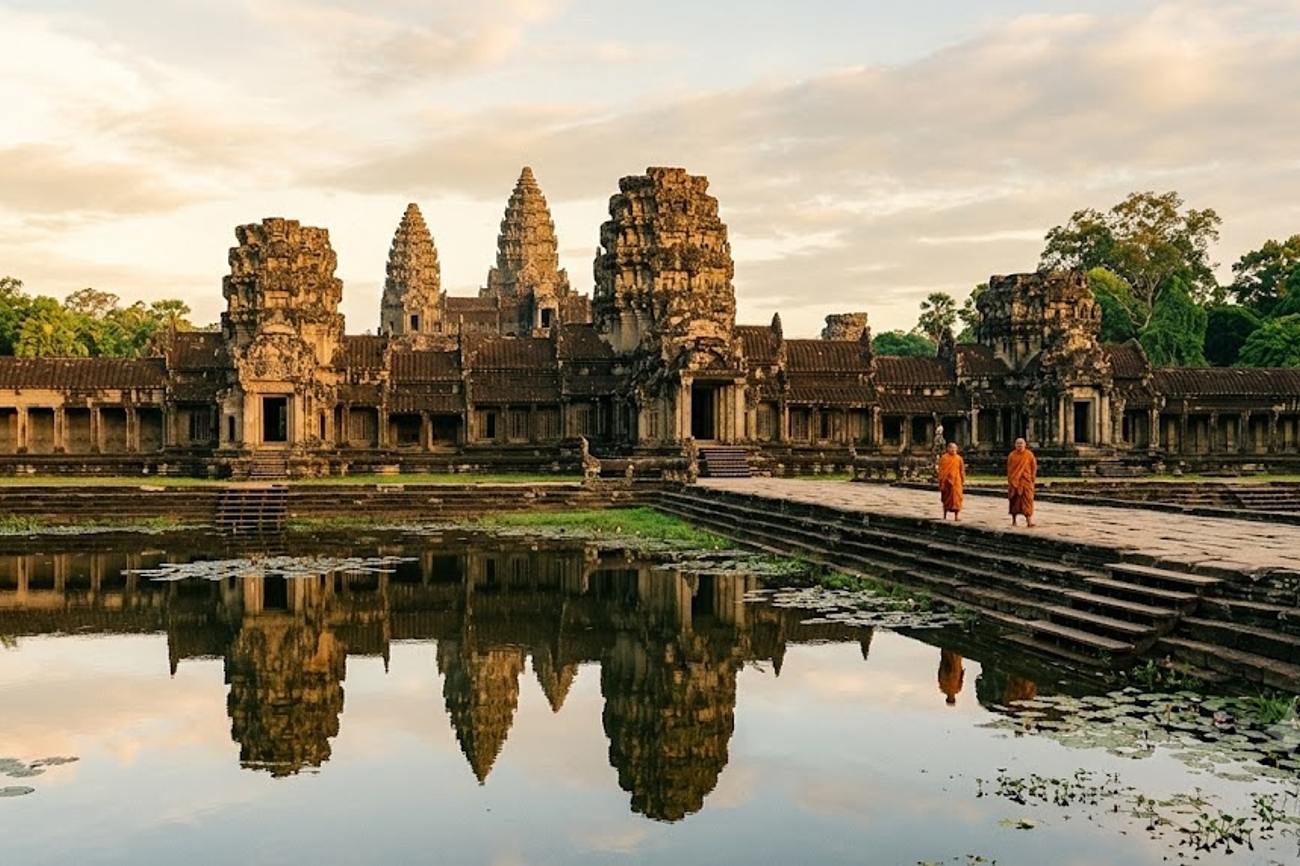
Image generated by AI
2026-2030 marks the implementation window for a comprehensive strategic pivot in Cambodia’s tourism sector, as the government launches the Siem Reap Provincial Tourism Development Plan. This five-year roadmap seeks to transition the province from a transit hub centered on a single landmark into a "smart heritage" destination. By integrating digital innovation with cultural preservation, the Cambodian Ministry of Tourism is attempting to solve a systemic industry problem: the "Angkor Wat bottleneck," where visitors arrive for a temple complex but depart quickly due to a perceived lack of diversified activities.
The Strategic Pivot Toward Smart Heritage
The current operational model of Siem Reap has historically relied on the gravity of Angkor Wat, a UNESCO World Heritage Site that serves as the primary engine for international arrivals. However, the 2026-2030 plan signals a shift in the Ministry of Tourism's philosophy. Minister HUOT Hak has outlined a framework that moves away from passive site-seeing toward "smart tourism." This involves the convergence of four distinct pillars: cultural heritage, natural landscapes, digital innovation, and community-led participation.
The objective is not merely to increase the volume of tourists, but to increase the "yield" per visitor. By digitizing the visitor experience and integrating sustainable practices, the government aims to attract a demographic of high-value travelers who prioritize authenticity and ecological responsibility over checklist tourism. This shift is a direct response to global trends where travelers are increasingly avoiding "over-tourism" hotspots in favor of immersive, slow-travel experiences.
Diversification via the "Beyond Angkor" Initiative
The core of the new strategy is the "Siem Reap Beyond Angkor" concept. This is a calculated effort to decentralize tourism activity away from the central temple zones and push economic benefits into the rural and peri-urban fringes of the province. The plan identifies several untapped verticals that will be developed to incentivize longer stays:
| Development Vertical | Strategic Focus | Target Outcome |
|---|---|---|
| Community-Based Tourism | Traditional crafts, rural lifestyles, and storytelling | Revenue distribution to local villages |
| Night Tourism | Evening markets, cultural shows, and night heritage walks | Increase in hotel overnight stays |
| Culinary Tourism | Traditional Khmer cuisine and agricultural experiences | Higher per-capita spending on F&B |
| Nature Exploration | Rural landscapes and ecological sites | Expansion of the tourism footprint |
| Digital Integration | Smart destination services and innovative storytelling | Improved visitor flow and data collection |
By expanding the product offering to include traditional storytelling and local craft experiences, the Ministry is attempting to build an emotional connection between the traveler and the destination. This move recognizes that physical landmarks are no longer enough to maintain a competitive edge against other Southeast Asian heritage sites.
Expert Analysis: The Economics of Extended Stays
For the modern traveler and the travel industry, the "Beyond Angkor" strategy is a signal that the cost of visiting Siem Reap may shift from low-cost, short-term transit to a more diversified spending model. The direct consequence of developing "Night Tourism" and "Community-Based Tourism" is an attempt to break the 48-to-72-hour stay cycle that has long plagued the region.
When a destination successfully implements a night economy—through curated evening markets and heritage-based entertainment—it creates a multiplier effect. An extra night in a hotel leads to an additional breakfast, dinner, and transport hire, which in turn supports the local service economy. By diversifying the "tourism product," Cambodia is attempting to hedge against the volatility of international travel. If a visitor is only coming for one temple, they are susceptible to flight price spikes or short-term geopolitical shifts. If they are coming for a "smart heritage experience" involving nature, food, and community, the destination becomes a lifestyle choice rather than a bucket-list item.
The "Siem Reap Tourism Plan 2026–2030" focuses on transforming the region into a smart heritage destination by integrating digital infrastructure with sustainable cultural preservation. Travelers can explore current entry requirements and official travel advisories through the Ministry of Tourism of Cambodia to ensure seamless access to the province's ancient landmarks.
Furthermore, the emphasis on "storytelling" as a development tool is a sophisticated marketing move. In the age of social media, the International Air Transport Association (IATA) and other global bodies have noted that "experience-driven" travel is the primary driver for Gen Z and Millennial cohorts. By transforming underused public spaces into "emotional experiences," Siem Reap is positioning itself to capture a younger, more affluent market that values narrative over architecture.
Key Takeaways
- Temporal Scope: The development plan is a five-year strategy running from 2026 through 2030.
- Strategic Shift: The "Beyond Angkor" initiative aims to divert traffic from the main temple complexes to rural communities and natural sites.
- Economic Goal: The introduction of a formal "Night Tourism" sector is specifically designed to increase the average length of stay and total visitor expenditure.
- Technological Integration: The "Smart Heritage" label indicates a move toward digital innovation in how heritage sites are managed and experienced.
- Collaborative Framework: The plan was launched with 200 stakeholders, including content creators and educators, signaling a shift toward influencer-led and educational marketing.
FAQ: Siem Reap Tourism 2026-2030
Will the "Beyond Angkor" plan make the main temples more crowded? No. The primary goal of the initiative is to decentralize tourism. By creating new attractions in rural and community areas, the government hopes to spread the visitor load across the province, reducing pressure on Angkor Wat.
What is "Night Tourism" in Siem Reap? It refers to the development of curated evening activities, such as cultural performances, night markets, and heritage-based evening tours, designed to give travelers a reason to stay in the city after sunset.
How will "Smart Heritage" affect the visitor experience? Visitors can expect more digital integration, potentially including better app-based navigation, digital storytelling at heritage sites, and more streamlined, tech-enabled tourism services.
Does this plan change the visa or entry requirements for Cambodia? The 2026-2030 plan focuses on destination development and product diversification within the province; it does not outline changes to national immigration or visa policies.
The transition from a landmark-centric model to a narrative-driven economy is a gamble on the traveler's desire for depth over distance.
Tags: Siem Reap 2030 Plan, Ministry of Tourism Cambodia, Angkor Wat, Smart Heritage Tourism, Cambodia Night Tourism, Beyond Angkor Initiative
Related Travel Guides
- Italy Aligns With Greece, Norway and More European Destinations to Create Ultimate Travel Bucket List Journeys: All You Need to Know
- United States Travel Rules Change as Trump Extends $100,000 H-1B Requirement Through 2027
- US Oklahoma City Boosts Tourism As 2026 State Fair Brings New Attractions, Modern Venues And Visitor Experiences
Disclaimer
This article is for informational and educational purposes only. It does not constitute legal, financial, or professional advice. While we strive to provide accurate and up-to-date information, travel policies, regulations, and conditions change rapidly. Always verify information with official sources before making travel decisions. Nomad Lawyer makes no representations about the accuracy, reliability, completeness, or suitability of the information provided. Readers should consult qualified professionals for advice specific to their circumstances. The views expressed in this article are those of the author and do not necessarily reflect the views of Nomad Lawyer.
Kunal K Choudhary
Co-Founder & Contributor
A passionate traveller and tech enthusiast. Kunal contributes to the vision and growth of Nomad Lawyer, bringing fresh perspectives and driving the community forward.
Learn more about our team →