
United States Travel Rules Change as Trump Extends $100,000 H-1B Requirement Through 2027
United States Travel Rules Change as Trump Extends $100,000 H-1B Requirement Through 2027

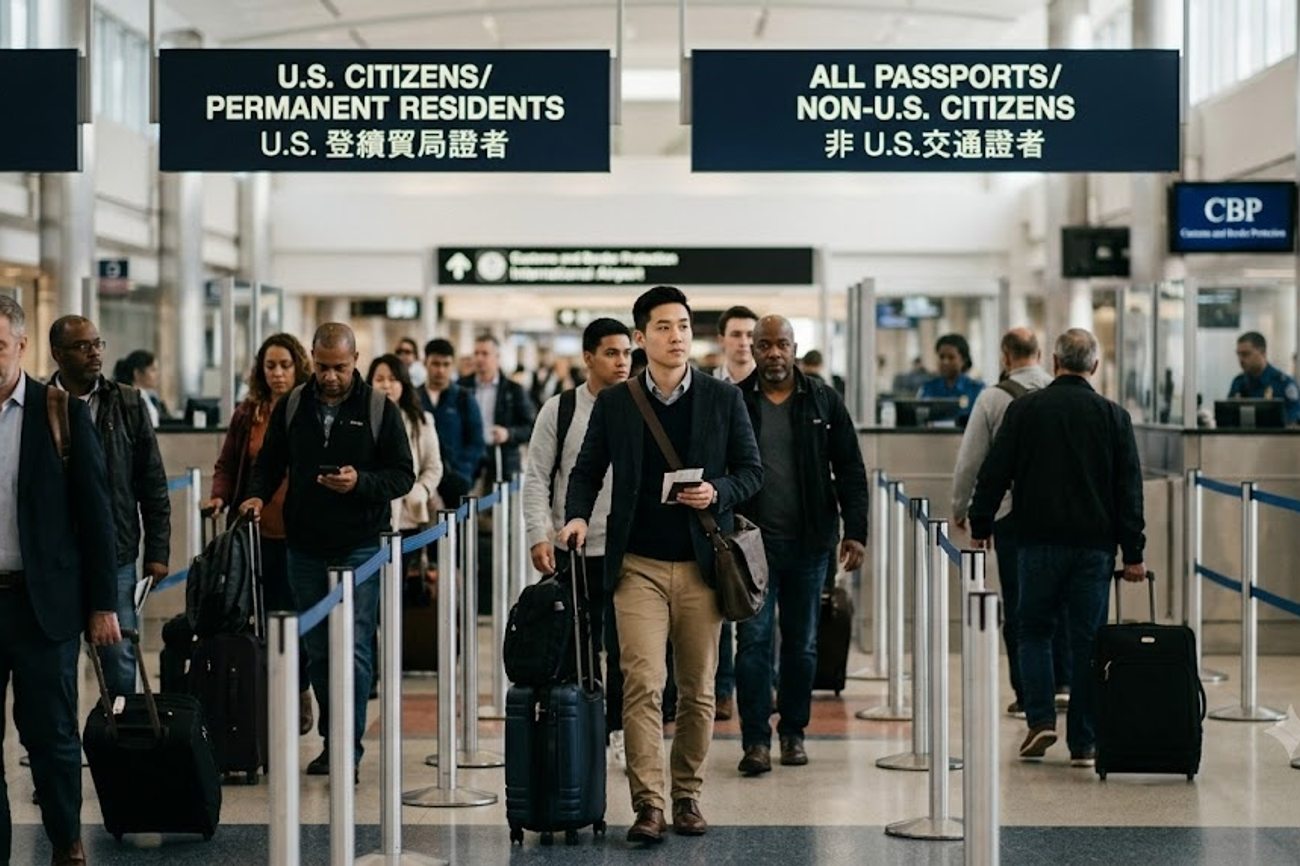
Image generated by AI
[Washington, September 18] — The White House has extended a restrictive H-1B entry policy through September 21, 2027, maintaining a $100,000 payment requirement for employers sponsoring certain specialty-occupation workers from abroad.
The proclamation, announced on September 18, renews a controversial 2025 mandate that attaches a heavy financial penalty to the entry of skilled foreign professionals. The measure specifically targets H-1B workers currently outside the United States who are seeking entry based on qualifying petitions. Unless further extended, the current restriction will remain in effect for another 12 months, creating a significant financial barrier for U.S. companies looking to recruit international talent, particularly from the Indian subcontinent.
The $100,000 Entry Barrier
The immediate trigger for this disruption is the extension of a proclamation that requires sponsoring employers to pay $100,000 before filing an H-1B petition for affected workers. This is not a standard visa fee increase but a targeted entry restriction designed to prioritize domestic labor. While some limited exceptions exist, the payment is a prerequisite for the petition process for those outside the U.S. borders.
This policy shift integrates immigration eligibility with corporate liquidity. For the first time, the ability of a professional to relocate for work depends less on their individual credentials and more on their employer's willingness to absorb a six-figure upfront cost. This creates a high-friction environment for international mobility, specifically impacting the "pipeline" of skilled labor that fuels the American tech and engineering sectors.
Markets and Personnel Impacted
The policy primarily targets the corridor between India and the United States, given the volume of H-1B petitions originating from Indian professionals. The impact is concentrated on the following groups:
- Overseas H-1B Applicants: Professionals outside the U.S. seeking initial employment via consular processing or port-of-entry notification.
- Indian Tech Hubs: Workers based in cities such as Bengaluru and Hyderabad who are targets for U.S. relocation.
- Sponsoring Corporations: U.S.-based firms that rely on the H-1B program to fill specialty-occupation roles.
- Consular Processing Candidates: According to U.S. Citizenship and Immigration Services (USCIS), approximately 46% of approved petitions for initial employment in fiscal year 2024 required consular or port-of-entry notification, placing nearly half of all new H-1B entries under the potential umbrella of this restriction.
It is important to note that this restriction does not apply to existing H-1B holders already legally working within the United States. Those traveling from the U.S. to India for vacations or family visits are not subject to the $100,000 payment, as the rule targets the issuance of visas and entry based on petitions filed after the original proclamation date.
What This Means for Travelers
For the individual professional, this policy transforms a legal process into a financial negotiation. If you are an Indian professional with a pending job offer in the U.S., your relocation is now contingent on your employer's willingness to pay the $100,000 fee. If the employer refuses, the journey simply does not happen.
From a travel logistics perspective, this will likely trigger a shift in how corporate mobility is managed. Instead of permanent relocation—which involves one-way flights, shipping household goods, and long-term housing—companies may pivot to a "business-driven" travel model. In this scenario, an employee remains based in India but travels to the U.S. on short-term business visas for periodic meetings, training, or specific project milestones. This replaces the "migration journey" with a cycle of frequent, short-term international trips.
Furthermore, the visa application process is becoming more intrusive. The U.S. Department of State has expanded online-presence reviews for H-1B applicants. Starting October 1, this expanded screening will extend to additional nonimmigrant visa categories, meaning applicants should expect longer processing times and more rigorous scrutiny of their digital footprints during the interview phase.
Labor Scrutiny and Legal Uncertainty
The financial barrier is accompanied by a new executive order that links visa approvals to domestic employment trends. U.S. agencies are now directed to investigate whether a sponsoring employer has recently conducted layoffs of American workers in similar roles before approving an H-1B petition. This means the U.S. Department of Labor and other federal bodies will coordinate more closely to review wages, academic backgrounds, and industry conditions to ensure foreign labor is not displacing domestic staff.
Despite the White House extension, the $100,000 requirement is currently the subject of ongoing litigation in U.S. federal courts. The legal status of the payment is contested, meaning the policy's implementation remains volatile. A court ruling could potentially freeze the requirement or overturn it entirely, creating a state of flux for employers and employees who are currently planning 2025-2027 relocations.
FAQ: H-1B Entry Restrictions 2027
Do I have to pay the $100,000 fee if I already have an H-1B visa? No. The payment is required from the sponsoring employer for specific new petitions filed after the proclamation's effective date. It is not a per-flight charge or a fee for existing visa holders returning to the U.S. from abroad.
How does the "online-presence review" affect my visa interview? The State Department is increasing scrutiny of applicants' social media and digital footprints. You should expect more detailed questioning during your consular interview regarding your professional background and online activities.
What happens if my employer refuses to pay the $100,000? If the employer will not meet the financial requirement for a qualifying petition, the H-1B visa cannot be issued under current rules, and the professional will be unable to enter the U.S. for that specific role.
Is there a way to avoid this fee? The proclamation allows for "limited exceptions," though these are narrowly defined. Prospective travelers should consult with immigration counsel to determine if their specific petition falls under an exempt category.
Washington's financial wall now stands between India's tech talent and the American dream.
#H1B_Visa_2027 #US_India_Mobility #USCIS #WhiteHouse_Immigration #Consular_Processing #Specialty_Occupation_Workers
Related Travel Guides
- US Oklahoma City Boosts Tourism As 2026 State Fair Brings New Attractions, Modern Venues And Visitor Experiences
- Canada Aligns With Colombia And More In Fueling Florida Tourism Growth As The Palm Beaches Welcome Over 6 Million Visitors In H1 2026
- Washington, D.C. Hosts Smithsonian Craft2Wear 2026 with More Than Seventy Five US Artists and Twelve South Korean Artisans
Disclaimer
This article is for informational and educational purposes only. It does not constitute legal, financial, or professional advice. While we strive to provide accurate and up-to-date information, travel policies, regulations, and conditions change rapidly. Always verify information with official sources before making travel decisions. Nomad Lawyer makes no representations about the accuracy, reliability, completeness, or suitability of the information provided. Readers should consult qualified professionals for advice specific to their circumstances. The views expressed in this article are those of the author and do not necessarily reflect the views of Nomad Lawyer.
Raushan Kumar
Founder & Lead Developer
Full-stack developer with 11+ years of experience and a passionate traveller. Raushan built Nomad Lawyer from the ground up with a vision to create the best travel and law experience on the web.
Learn more about our team →