
US Tourism Shift 2026: How Tucson, Detroit, and Chicago are Leveraging Hyper-Local Culture for Growth
US travel trends in 2026 show a decisive shift toward hyper-local cultural immersion, with cities like Tucson and Detroit replacing traditional sightseeing with community-led gastronomic and musical experiences.

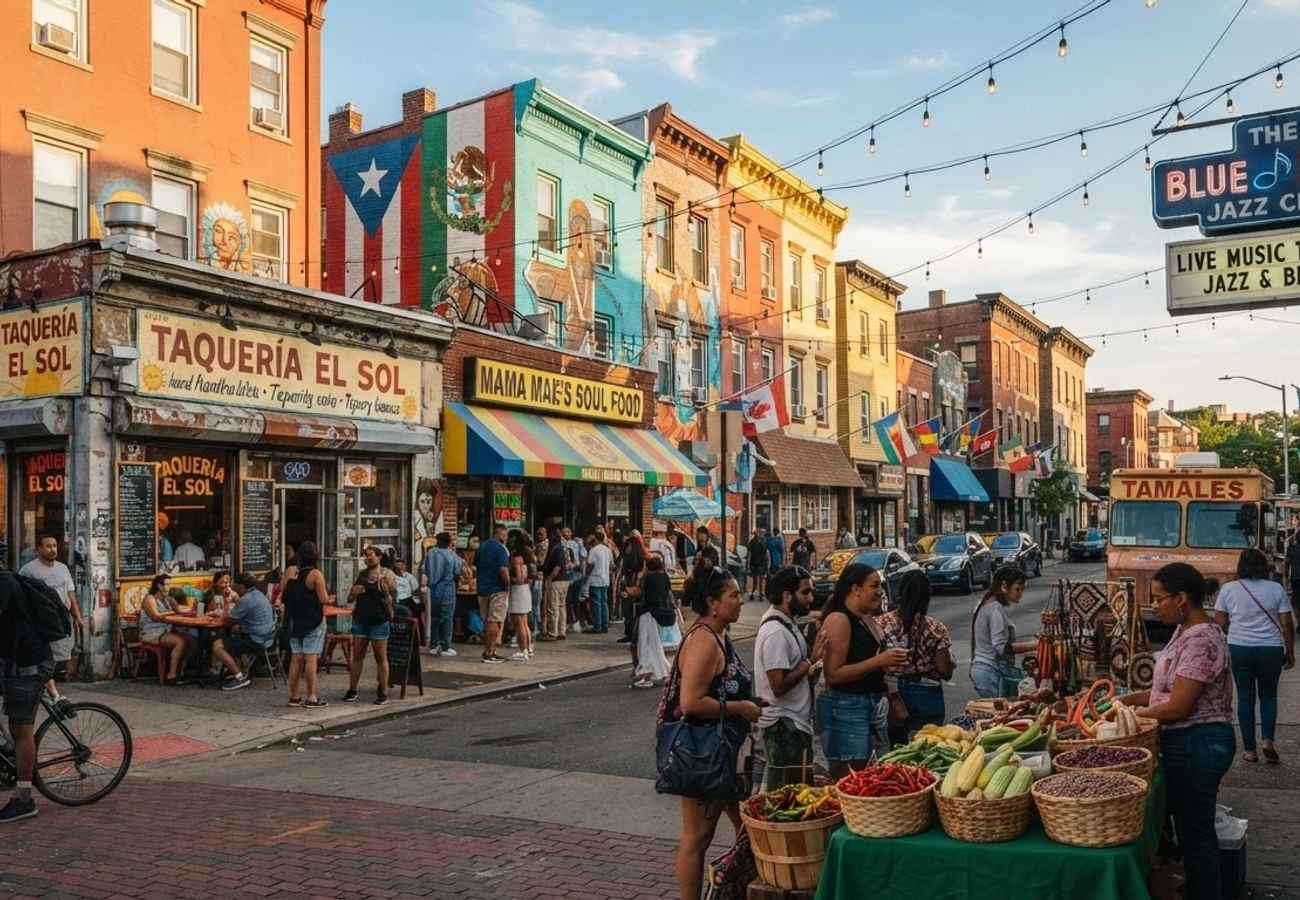
Image generated by AI
A fundamental transformation is sweeping through the United States travel sector as visitors abandon traditional "checklist" sightseeing in favor of authentic community immersion. From the gastronomic hubs of Arizona to the musical corridors of Michigan, six key destinations are proving that neighborhood-level authenticity—found in family-owned eateries, street murals, and heritage sites—is now the primary driver of tourism growth.
For decades, the American tourism model relied heavily on "anchor" attractions: the towering skyscrapers, massive museums, and commercial shopping districts. However, current data and travel patterns indicate a pivot toward "real-place" experiences. Modern travelers are seeking direct engagement with local residents, indigenous flavors, and the sonic identity of a city. This shift is providing a competitive edge to cities that prioritize their organic cultural fabric over manufactured tourist zones.
Chicago Redefines Urban Exploration Through Neighborhood Identity
Chicago is demonstrating that metropolitan tourism can thrive by decentralizing the visitor experience. While the skyline and Lake Michigan remain iconic, the city is now positioning its diverse neighborhoods as the primary attraction to distribute economic benefits beyond the downtown core.
Humboldt Park serves as a primary example of this strategy, leveraging its deep Puerto Rican roots to attract visitors through vibrant murals and community-led cultural spaces. Similarly, the 26th Street corridor in Little Village (La Villita) offers an immersive Mexican commercial experience, where independent businesses and traditional eateries take center stage.
The city is also highlighting Chatham, focusing on its rich African American history and Black-owned creative enterprises. By steering tourists toward these residential and commercial hubs, Chicago is transforming the standard city break into a personal journey of community discovery.
New Orleans Integrates Living History Beyond the French Quarter
While New Orleans has long been a global magnet for jazz and Creole cuisine, the city is now shifting focus toward the communities that sustain these traditions. The Tremé neighborhood, recognized as the oldest African American community in the US, has become a critical focal point for those seeking the origins of the city's spirit.
Visitors are increasingly bypassing the commercialized centers to explore Congo Square and Armstrong Park, where the legacy of the Mardi Gras Indians and early jazz pioneers remains tangible. The rise of Bayou Road as a hub for Black-owned enterprises further emphasizes this move toward sustainable, community-based tourism.
The culinary landscape is also evolving. Beyond standard tourist menus, travelers are seeking the intersection of Creole, African-inspired, and Vietnamese influences. By exploring the Marigny and Bywater districts, visitors find a blend of live music and local art that presents New Orleans not as a holiday destination, but as a living archive of multicultural survival and creativity.
Detroit Leverages Musical Heritage and Creative Resilience
Detroit is successfully pivoting its brand from a "comeback city" to a global center of Black creative power. While Motown remains a foundational draw, the city is expanding its narrative to include the full spectrum of its sonic influence, including gospel, soul, R&B, techno, and hip-hop.
This strategy transforms the city into a living museum. Rather than staying within the walls of a gallery, tourists are encouraged to visit neighborhood venues and engage with active performers. The annual African World Festival serves as a cornerstone of this approach, integrating dance, crafts, and food to move the visitor from a passive observer to an active participant.
By centering its tourism strategy on Black-owned restaurants and African American art, Detroit is ensuring that the financial gains of tourism directly support the artists and entrepreneurs who define the city's identity.
Tucson Pioneers Gastronomy as a Historical Narrative
In Arizona, Tucson is utilizing food as a gateway to understanding deep history. In 2015, UNESCO designated Tucson as the first Creative City of Gastronomy in the United States, a title that reflects more than just a high concentration of restaurants.
The city's tourism model is built on thousands of years of agricultural knowledge. By highlighting native ingredients—specifically tepary beans, squash, corn, and various chiles—Tucson connects visitors with the ancestral foodways of the Tohono O’odham Nation.
This educational approach to food tourism, supported by local markets and specialized food tours, ensures that the experience is respectful of Indigenous roots. It transforms a simple meal into a lesson on sustainability and cultural exchange, providing a compelling reason for travelers to extend their stay in Southern Arizona.
Philadelphia Implements Hyper-Local Community Tours
Philadelphia is aggressively moving away from a purely historical "founding fathers" narrative to showcase the city as a living, breathing entity. For 2026, the city has introduced 20 hyper-local tours developed in direct partnership with community leaders.
These initiatives target areas often overlooked by traditional tour operators. In Bella Vista, the focus extends beyond the famous Italian Market to include the neighborhood's Cambodian, Filipino, and Vietnamese culinary influences. Meanwhile, the Centro de Oro area in Fairhill introduces visitors to Puerto Rican folkloric dance and Caribbean cuisine.
This model serves two purposes: it provides the traveler with a more authentic urban experience and ensures that tourism revenue penetrates deeper into the local economy, benefiting small business owners in diverse ethnic enclaves.
Puerto Rico Models Responsible Caribbean Tourism
Puerto Rico is challenging the standard "sun and sand" Caribbean trope by integrating responsible travel with cultural preservation. The island is promoting an ecosystem where tourism supports the local producer rather than international conglomerates.
From the salsa and bomba performances in San Juan to the exploration of coffee estates and cacao farms in the interior, the island is emphasizing its mixed heritage of Taíno, Spanish, and African influences. Traditional dishes like mofongo and arroz con gandules are presented as cultural artifacts. By encouraging the use of local guides and family-run farms, Puerto Rico is creating a sustainable loop where tourism protects the very traditions that attract visitors.
Why This Matters: The Shift Toward Value-Based Travel
For the modern traveler, this shift means the end of the "generic" vacation. The move toward hyper-localism suggests that the value of a trip is no longer measured by the number of landmarks visited, but by the depth of the connection made with a location.
From a logistical standpoint, this creates a new challenge for city planners. Tourism is moving from centralized hubs to residential streets, requiring better infrastructure for "slow travel" and more sophisticated community agreements to prevent over-tourism in quiet neighborhoods.
Ultimately, the success of cities like Tucson and Detroit proves that authenticity is the most valuable currency in the 2026 travel market. When a destination stops trying to "sell" a version of itself and instead allows its residents to share their actual lives, it creates a more resilient and profitable tourism economy.
The future of American travel is not found in the guidebook, but in the backyard.
Related Travel Guides
Disclaimer
This article is for informational and educational purposes only. It does not constitute legal, financial, or professional advice. While we strive to provide accurate and up-to-date information, travel policies, regulations, and conditions change rapidly. Always verify information with official sources before making travel decisions. Nomad Lawyer makes no representations about the accuracy, reliability, completeness, or suitability of the information provided. Readers should consult qualified professionals for advice specific to their circumstances. The views expressed in this article are those of the author and do not necessarily reflect the views of Nomad Lawyer.
Raushan Kumar
Founder & Lead Developer
Full-stack developer with 11+ years of experience and a passionate traveller. Raushan built Nomad Lawyer from the ground up with a vision to create the best travel and law experience on the web.
Learn more about our team →